• Introduction by Alica Dusil • Editing by Gabriel Dusil • 2015 April
• I am proud of what Taci accomplished. But I don’t have memories of Taci and don’t feel thankful for what he has done for me, other than give me life. To be clear – I’m not angry. I just believe that in the thirty three years I spent building my life, shaping my personality has nothing to do with him. Maybe it’s a clique that a daughter who has lost her father figure at such a young age doesn’t grow up with a great outcome. But I’ve worked hard to break that stereotype, and it hasn’t been easy. Although I still hold a grudge, I think that much of whom I have become is based on what happened to us. My true hero is Mamička.
• Taci
If you missed the other Taci posts, you can link to them here:
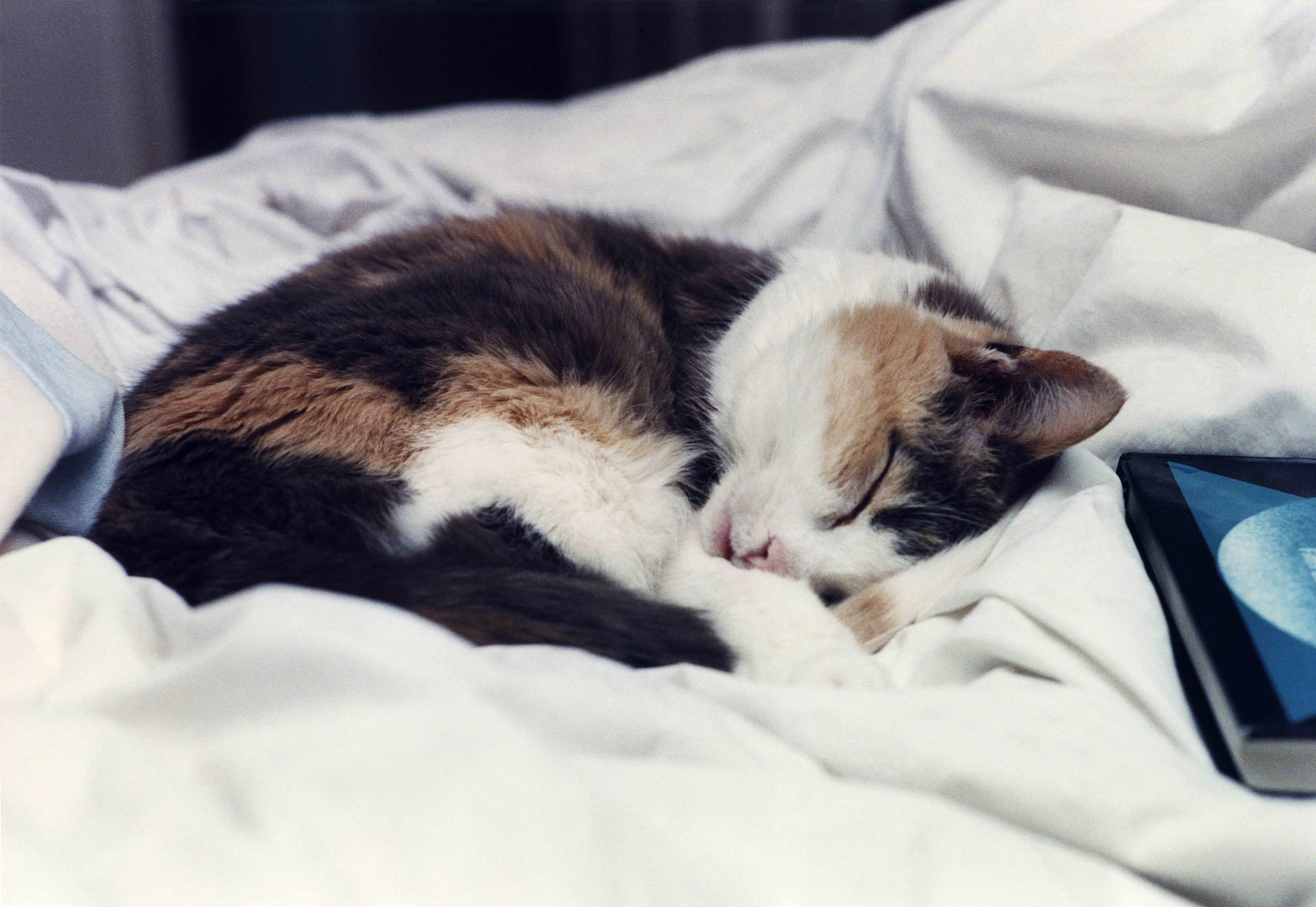
• I walked to the Aldershot Animal Hospital every day after school. But one day was special. It was a fresh school year, and I had just turned eight. Michele Cieslik was working that day, and she told me that a litter of cats arrived. She asked if I wanted to play with them. Michele brought out a cage with four kittens. There were three orange and white males and one female. The kittens crawled all over each other, crying with a high pitched meow. I took one out. Then another. Then another. I didn’t want to take them out at once for fear of mayhem. Then I noticed that the female was smaller than the rest. She was tricolored – white, orange and black. Her coat was more oily that her brothers. She also seemed weaker as they trampled all over her. I took her out. She clung to me with dear life, and started to crawl up my arm, then across my shoulder. Maybe it was because I was bullied at school, and needing to protect the weakest one. But I felt an immediately connection. The funny thing is that I realized she wasn’t weak at all. She was feisty to where I felt she was compelling me to take her away from these bullies. She had a will to survive. After about a half an hour I put the kittens back in their cage, and brought them all inside. I showed Michele the tiny female kitten I fell in love with. She said I could have her if I wanted, and her name was “Inchy” – appropriate because of how tiny she was. When I got home my mom told me that someone left those kittens at the front door of the animal hospital that morning in a cardboard box.
• It was clear from the onset that our much larger alpha-male cat Puci, was the leader – rarely did Inchy challenge that. For years I had to feed her in the closet of my bedroom. Puci was so dominant he would often eat all his food and hers as well. Many times I had to scare Puci away so he wouldn’t steal Inchy’s food. Even still she remained very thin throughout her life. As small as she was, she wasn’t sick once, in her whole life.
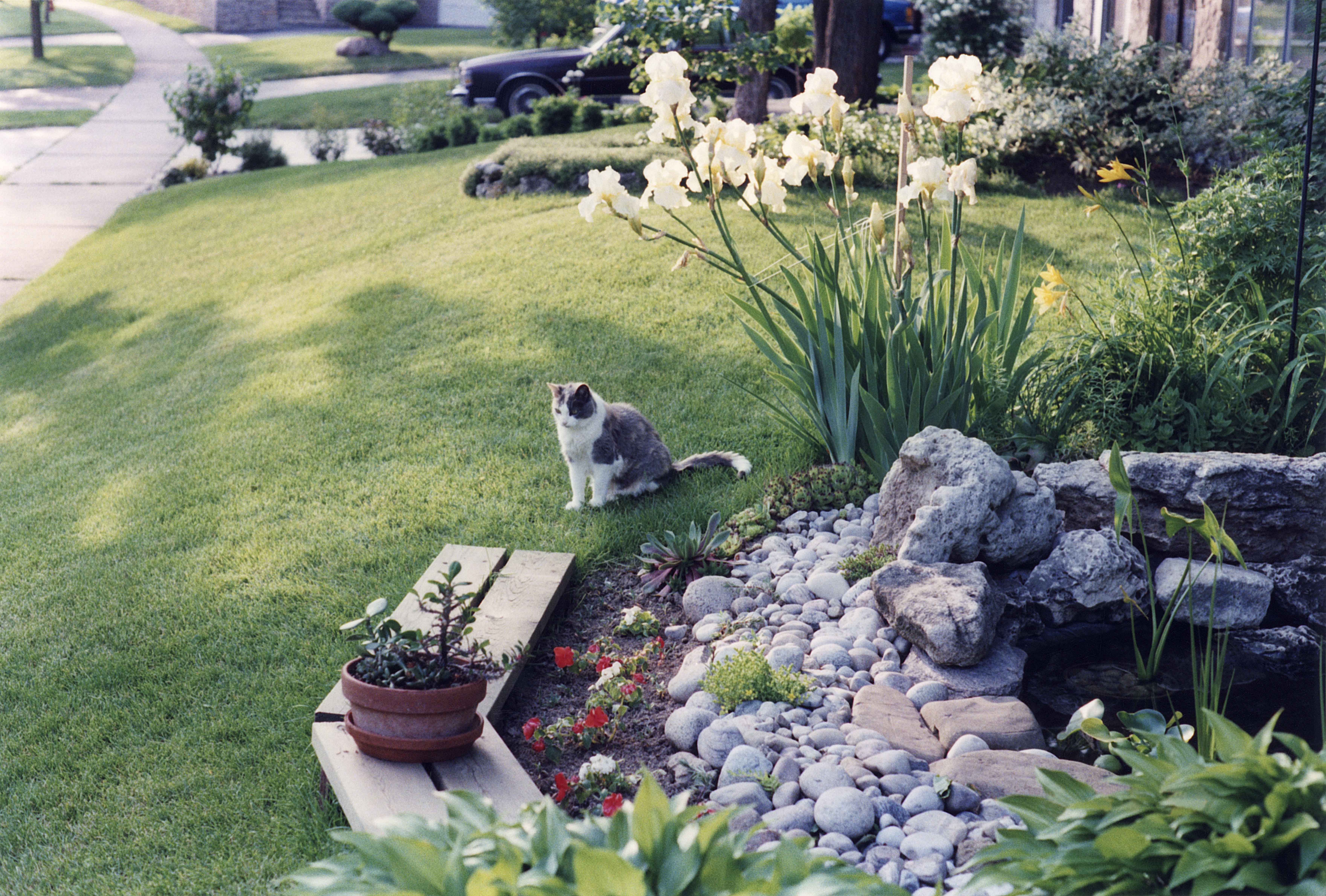
• There were many evenings when I realized that Inchy wasn’t inside the house. So I would opened the kitchen door and call out to her. Usually within a few minutes she would come running into the house. In the winter I was most concerned. I never wanted her to sleep outside in the cold. Usually she came home, but there were a few nights that I would call her for what seemed like countless minutes. But she wouldn’t come home. Those nights my compassion overshadowed my realization that she was versed at taking care of herself. I tried to comfort myself hoping she had a warm and safe place to sleep.
• Dusil
If you missed the previous posts on Dusil, then click on these links:
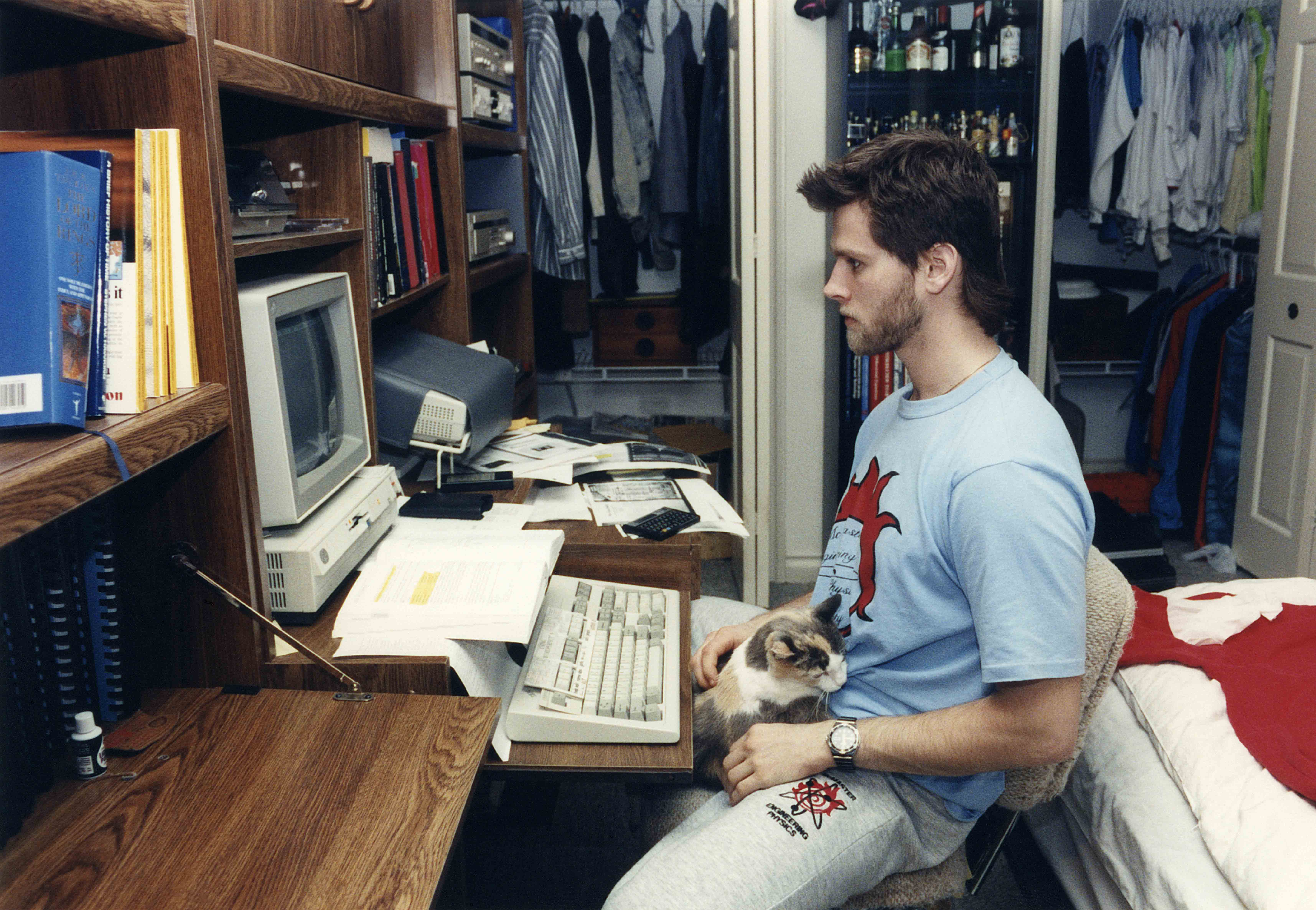
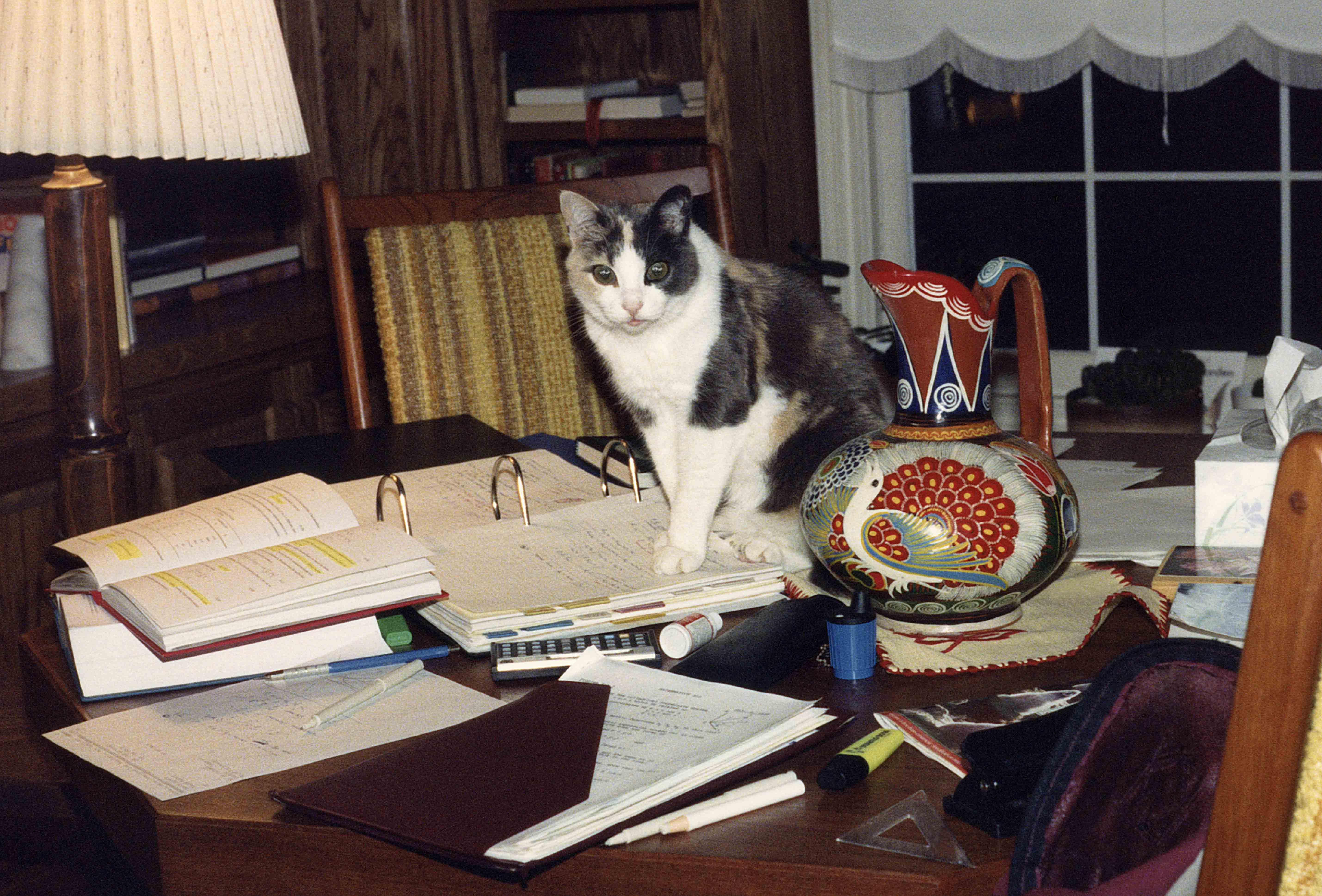
• Postscript by Gabriel Dusil • 2015 April • This was our daily routine throughout my university years. I was studying and working on labs and reports on my IBM PS2, and Inchy cuddled with me everyday day.
89.Nov – Burlington · Inchy & Gabriel Dusil (studying w. Inchy)90.Nov – Burlington · Inchy Dusil (studying with Gabriel)90 – Burlington · Inchy Dusil (studying with Gabriel)
• Postscript by Gabriel Dusil • 2015 April • If I wasn’t in front of the computer, I was in the library studying. Inchy was particularly good in helping me with special relativity, but she didn’t quite have a grasp of thermodynamics. In any case we were a great study team.
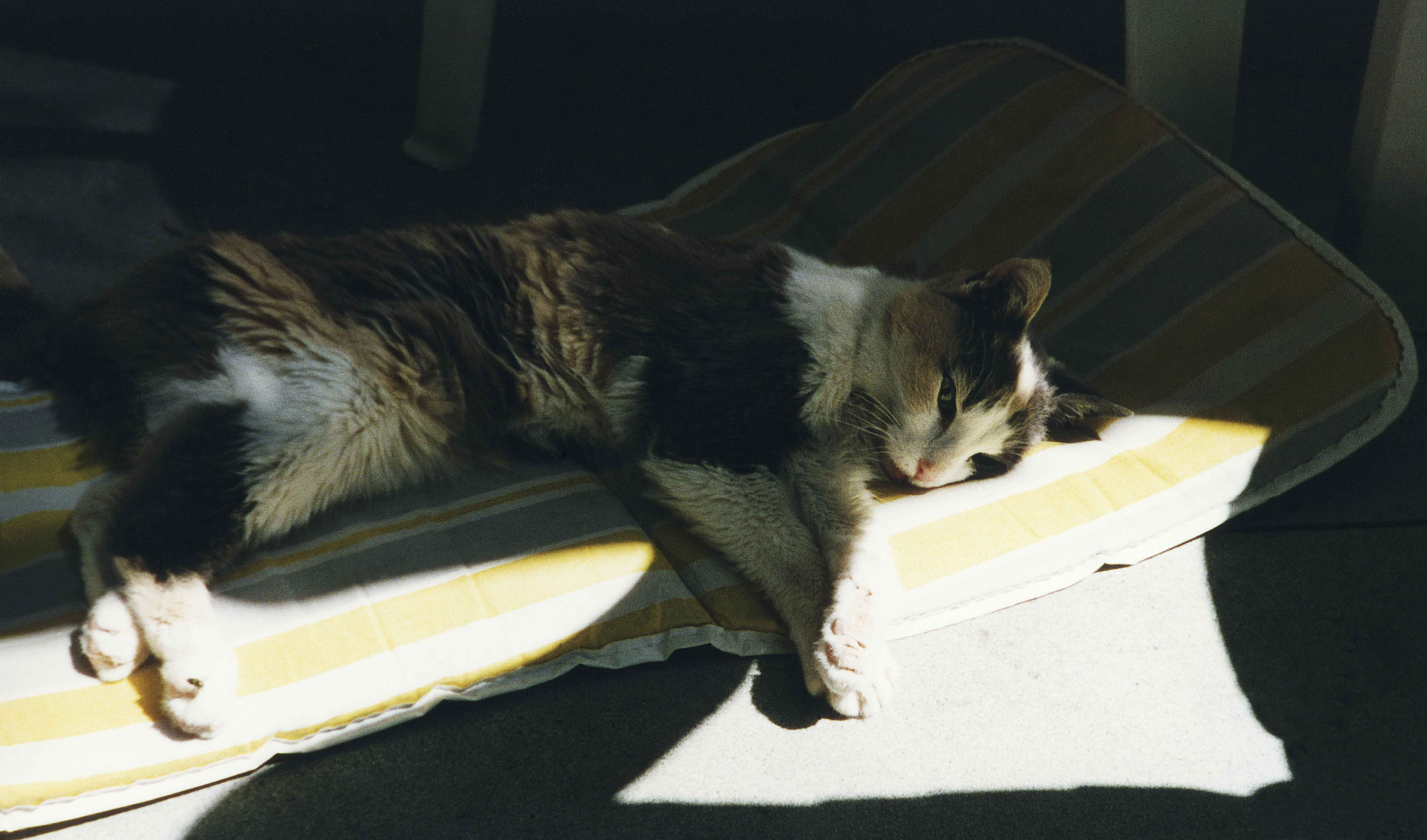
• Postscript by Gabriel Dusil • 2015 April • This is the last picture we have of Inchy. She died a few weeks later. My mom saw her outside, and brought her in. By this time she was deaf and very weak.
• Story by Eva Dusil • Editing by Gabriel Dusil • 2014 November
• When I was nine years old we went to visit my relatives in Košice. At the end of their huge garden were military barracks. Curiosity compelled me to climb a concrete wall hiding the surprise that was waiting for me on the other side. I saw what I adored the most – horses! Soldiers that were tending the sables came over and we began to chat. On subsequent visits I spent time with them as they maintained the stables. I soon became a regular visitor. The soldiers warned me that if an officer inquired of my present I should tell them I’m the daughter of a soldier from another barracks. They didn’t want to get into trouble.
• When my mother eventually found out, she was concerned that a young girl was among strange teenage military boys. It wasn’t appropriate. So when I turned eleven she decided to enroll me in the city’s equestrian club. My mother lied about my age since I needed to be at least twelve. The horses from the military barracks had since been sold to the Košice equestrian club, because that military division shut down. So I ended up riding the same horses.
• It was the summer of 1957, and in those days very few girls were riding. It was considered a man’s sport and I was one of only three girls. Being the youngest made it even harder. I was endlessly bullied and intimidated by the boys. Even today I wonder how I had the strength to stand up to them. The regiment of riding and taking care of horses was fierce, and was managed in a military fashion. Competition was relentless, and the trainers were very strict. My parents were at least content knowing where I was spending my afternoons. Nevertheless, I still had to be home by eight o’clock, or I’d be in trouble. Those years certainly taught me discipline.
• Mamička
If you missed other Mamička posts, you can link to them here:
• Introduction by Eva Dusil • Editing by Gabriel Dusil • 2014 November
• I met Vašek when I was 21 years old, in my freshman year of veterinary studies. He was in his fifth year at the same university. Without my knowledge my brother Csaba, who trained with Vašek in judo, suggested he ask me out. At the beginning of the 1966 Christmas holidays Vašek came to our apartment and asked if I would go with him to a New Years celebration. At the time I wasn’t very impressed, but I had no other plans. Between Christmas and New Years we went out a couple of times. It was exciting because I was going to a restaurant for the first time in my life. Our New Years celebration began at Dom umenia in Košice. Vašek’s brothers, and their spouses joined us. It was a triple-date. We had a great time. We then went to Slávia, a famous restaurant in Košice. Vašek was very entertaining and funny – pretending to film our date. In one week I was in love with him.
Mamička
If you missed the other posts on Mamička, you can link to them here:
66.Feb – Košice · Vaclav Dusil & Eva Kendeova (carrying #2)66.Feb – Košice · Vaclav Dusil & Eva Kendeova (carrying #1)
• Postscript by Eva Dusil • 2014 November • These photos were taken in the yard where Vašek lived. It is the winter of 1966, soon after we started dating (happy memories).
67.Dec – Košice · Eva Kendeova & Vaclav Dusil (statue)67.Dec – Košice · Eva Kendeova & Vaclav Dusil (park)67.Dec – Košice · Eva Kendeova & Vaclav Dusil (fence)
• In 1963 my father was granted permission to travel abroad. He visited Belgium, the Netherlands and France. At the time his younger brother didn’t know if he would return, but he did, to finish his veterinary studies. And he didn’t want to break his mother’s heart. She died the following year of breast cancer.
• After the Warsaw Pact invasion, on the 21st of August 1968, over 300,000 Czechoslovakians would leave during a relaxed 13 month window. Many escaped without proper documentation – on foot, through tunnels, swimming across channels, or by other creative means. Some paid with their lives.
• For most of my life I described the event as “escaping”, but that wasn’t the case. We legally crossed Eastern and Western borders with proper documentation. The basis of our travel was vacation, but we simply didn’t return. The act of Unauthorized Emigration, i.e. “failure to return”, was a crime. My parents and others that did not return within the approved timetable were considered political criminals. They were subsequently “convicted in absentia” and would have been jailed if they returned to Czechoslovakia. On the 22nd of August 1969 a new, so-called “Truncheon Law” was approved and signed in secrecy. It was not publicized at the time. But a renewed grip on travel restrictions meant that the borders were essentially closed. My family learned of the new travel restrictions when they arrived in Paris on the 5th of September 1969. In hindsight it was fateful timing. That day we also celebrated my father’s 27th birthday.
• Dusil
If you missed the previous posts on Dusil, then click on these links:
49.May.22 – Ostrava · Karol, Vaclav, Robert Jr. & Sr. Dusil49.May.22 – Ostrava · Maria, Robert Jr., Vaclav, Robert Sr., Karol Dusil
• 4 minutes 7 seconds
57 – Košice · Robert Dusil, Robert Dusil Sr., Karol Dusil, Maria Dusilova, Vaclav Dusil
• This photo was taken in Košice in the garden of the house where the Dusil’s lived. The house is still standing today, across from the main police station on Moyzesova street, but has since been converted to offices.
61 – Košice · Robert jr., Maria, Robert sr., Karol Dusil
61.Apr – Stankovce · Vaclav Dusil, Robert Dusil, Andrej Collak, Maria Collakova-Korytkova, Michal Korytko, Karol Dusil, Michal Korytoko Jr, Orendas, Anna Collakova
• Anna Collakova stayed with the Dusil’s when she attended high school in Košice. She was from Stankovce, a village around 25km east of Košice.
62 – Opava · Zsigmondy, Csaba Kende, x, Karol Dusil, x, Igor Fridrich, Nalevanko, Sano Drabcak, Robert Dusil, Vaclav Dusil
• My uncle did his military service from Aug 1961 to Aug 1963 in Opava together with Sano Drabcak, another judoka from Košice. The other two soldiers just happened to walk by, so they have not been identified.
• 8 minutes 12 seconds
64.Sep – Košice · Maria Dusilova64.Sep – Košice · Karol, Vaclav, Maria, Robert Sr., Robert Jr. Dusil64.Sep – Košice · Maria & Vaclav Dusil
• This photo was taken in front of “Dom umenia, Centrá kultúry” situated beside the Dusil family residence. That day my dad came to Košice from Brno where he studied veterinary medicine for one year. It was an emergency visit because his mother had terminal cancer. One breast was removed in February of 1964, but her cancer had metastasized to her entire body. She died on the 24th of October, 1964.
63 – Plzeň · Vaclav, Maria & Karol Dusil
• The Dusil brothers, with their mom visiting their father in Plzeň-Bory, while also competing in a judo event.
• Tags
Andrej Collak, Anna Collakova, Attila Kende, Csaba Kende, Darina Poprenakova, Digital Restoration, Dusil Family, dusil.com, Edo Novak, Erika Dusil, Eva Dusil, Gabriel Dusil, Ivan Spisak, Iveta Kende, Juraj Bialko, Karol Dusil, Kende Family, Ladislav Kende, Maria Collakova-Korytkova, Maria Dusilova, Michal Jr, Michal Korytko, Nyarjas, Orendas, Pepo Vesecky, Robert Dusil, Robert Dusil sr., Slavo Sykorsky, Stefan Kende, Vaclav Dusil, Valeria Kendeova, Vera Kendeova
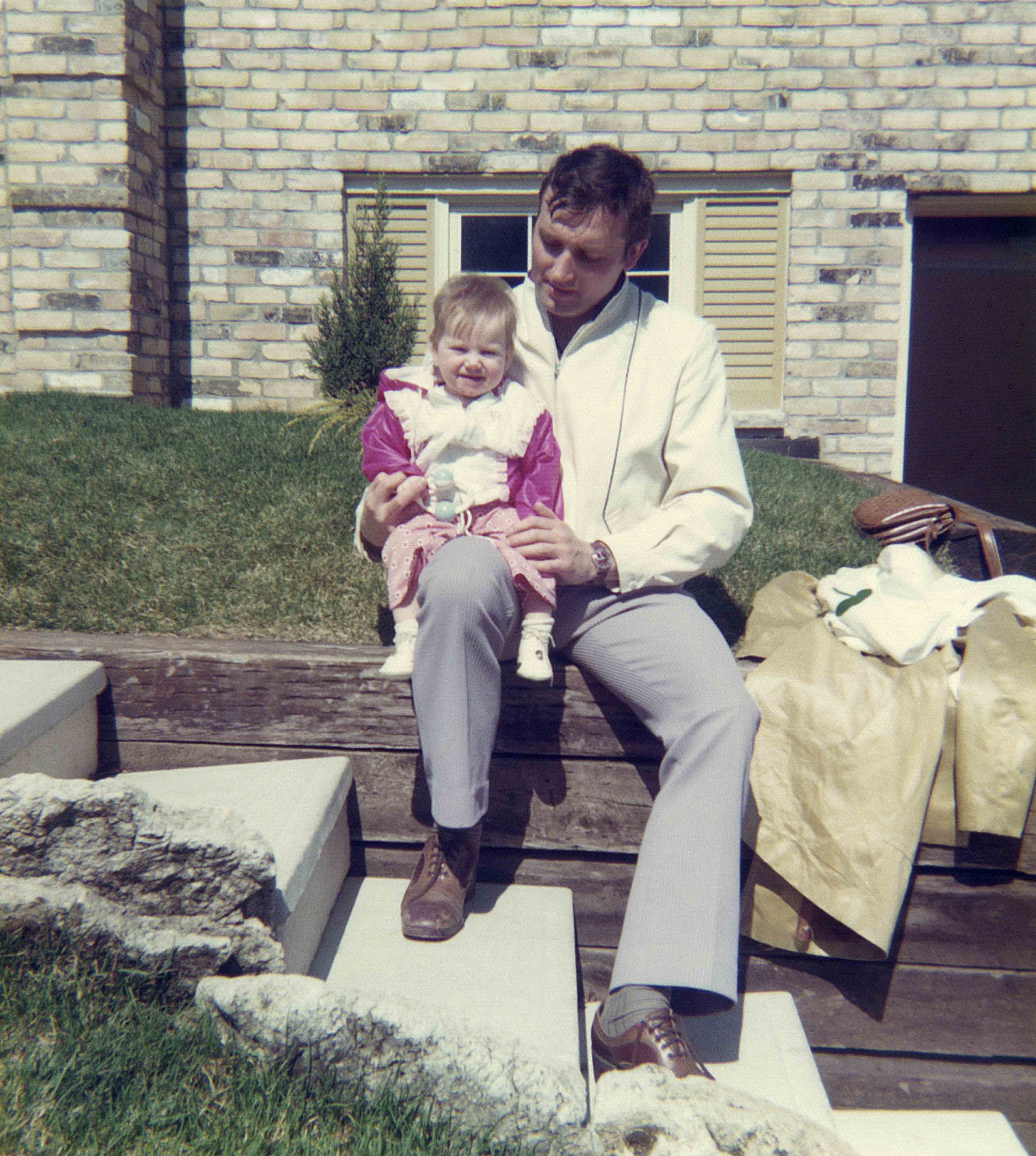
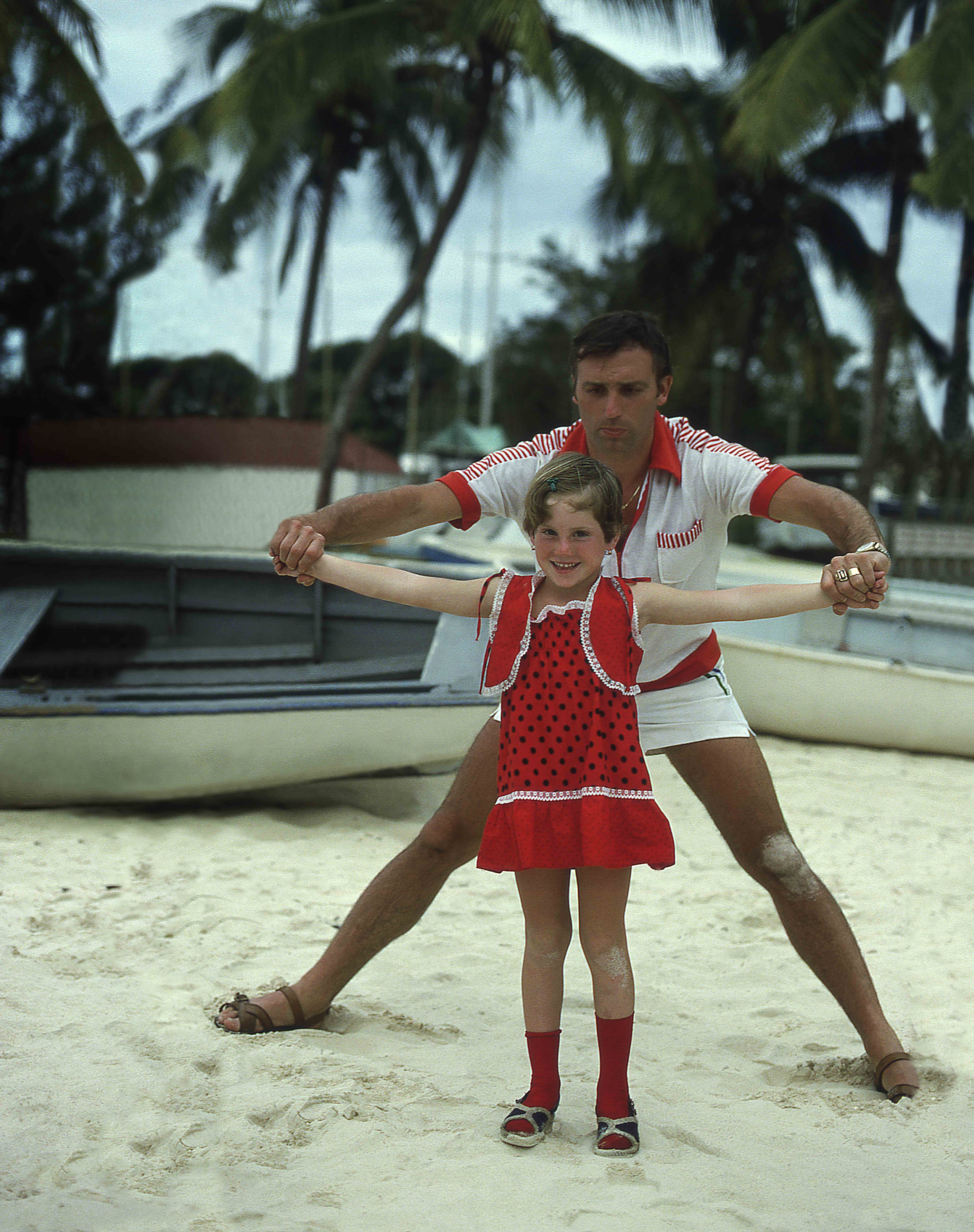
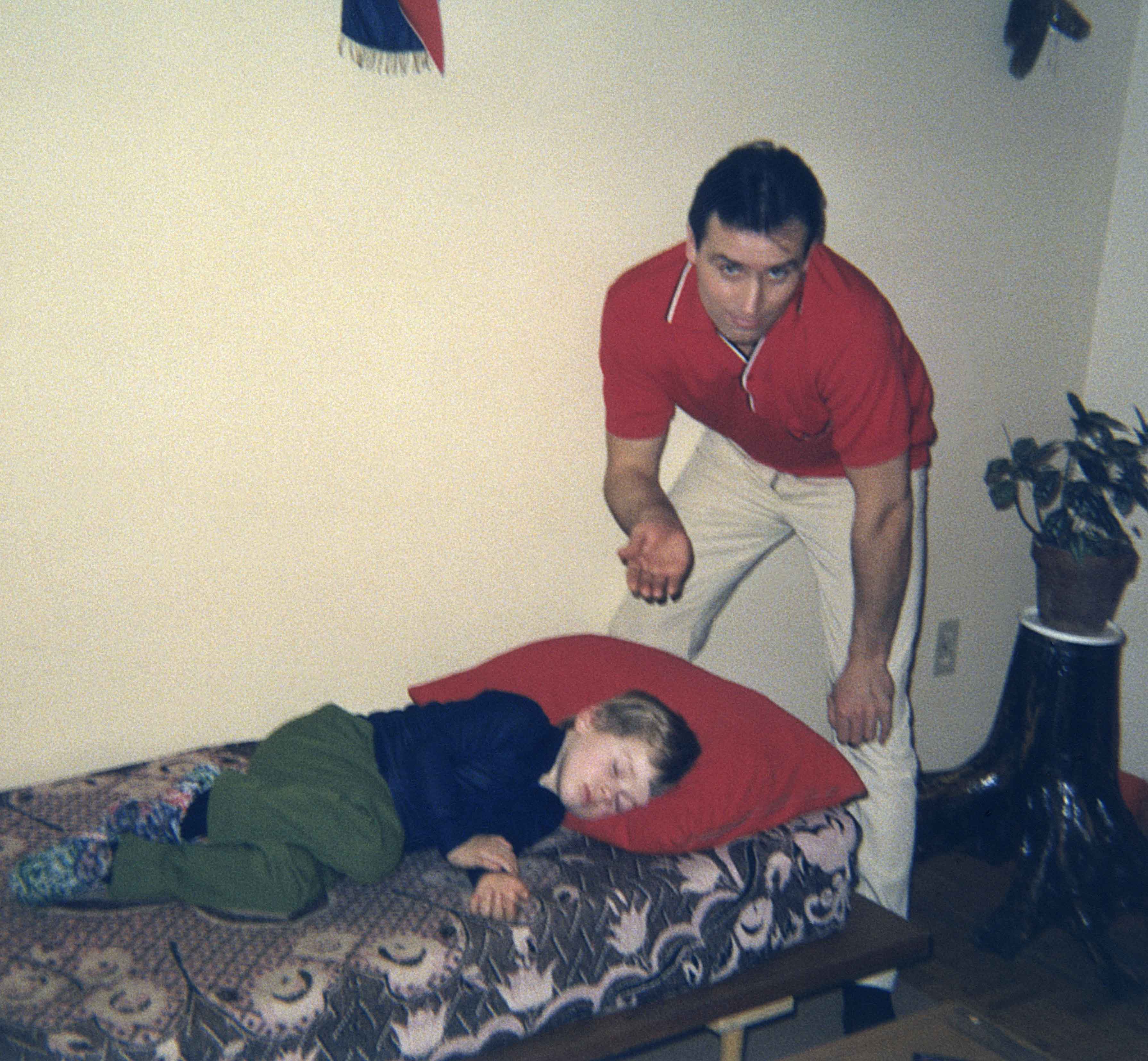
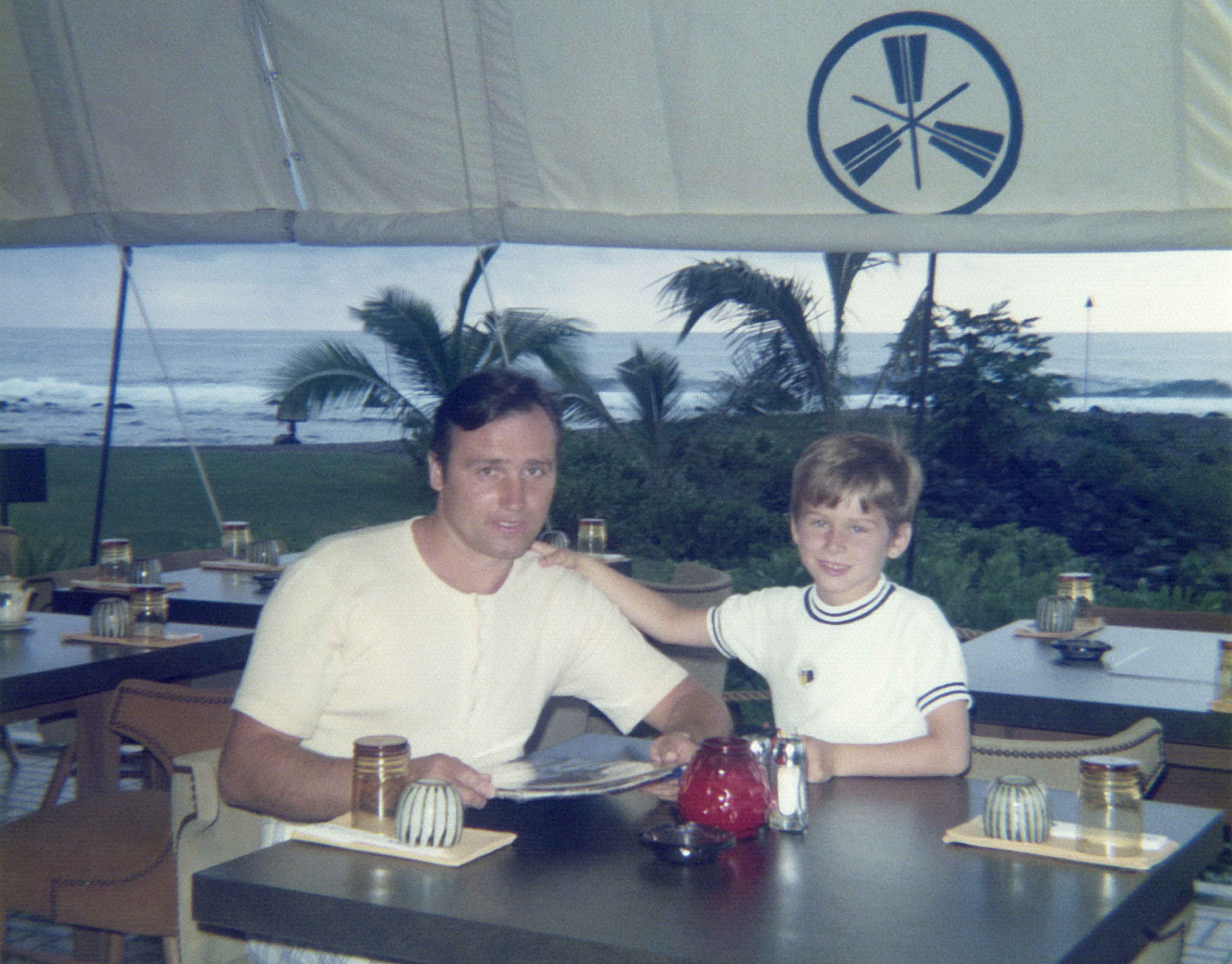
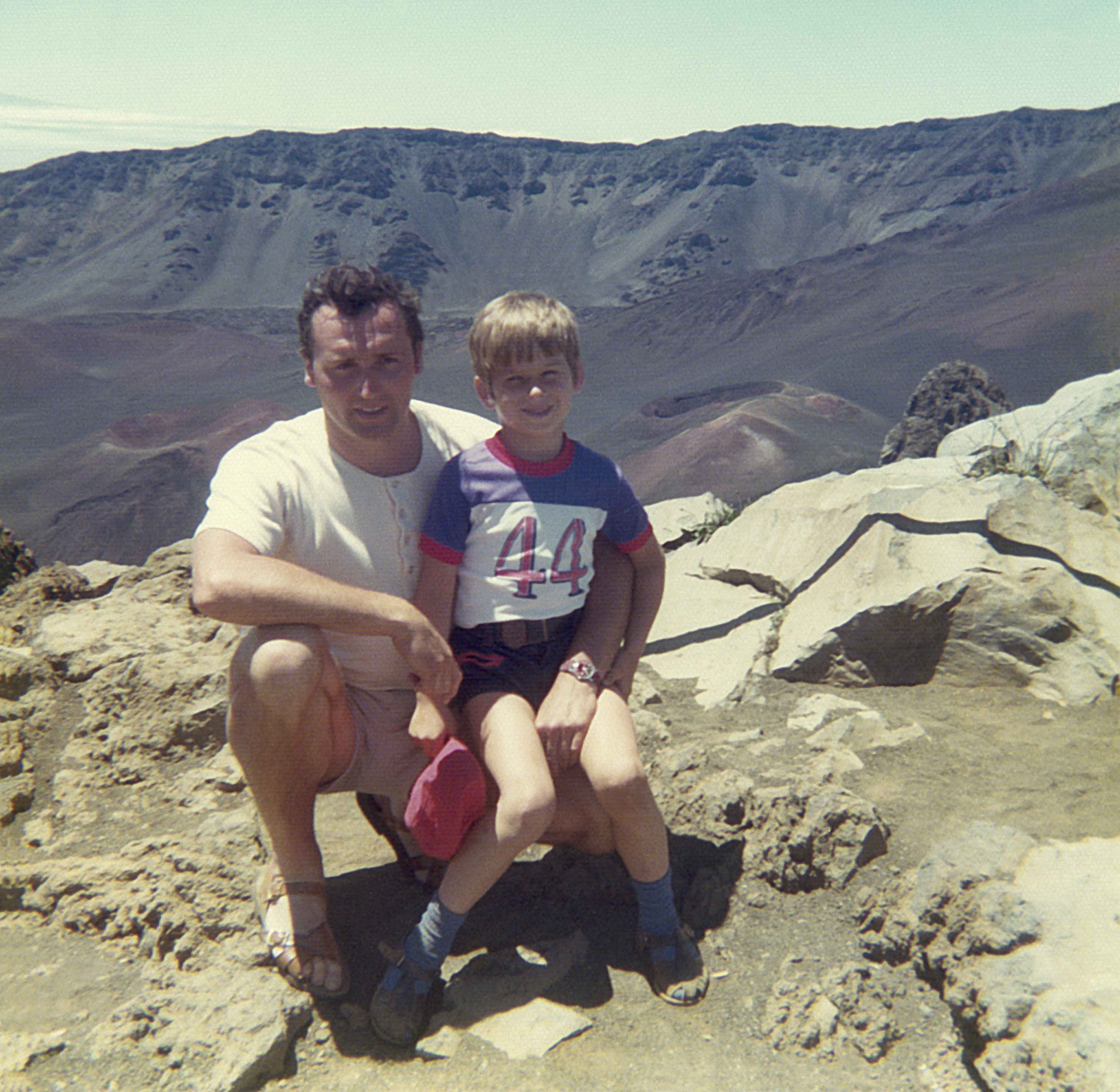
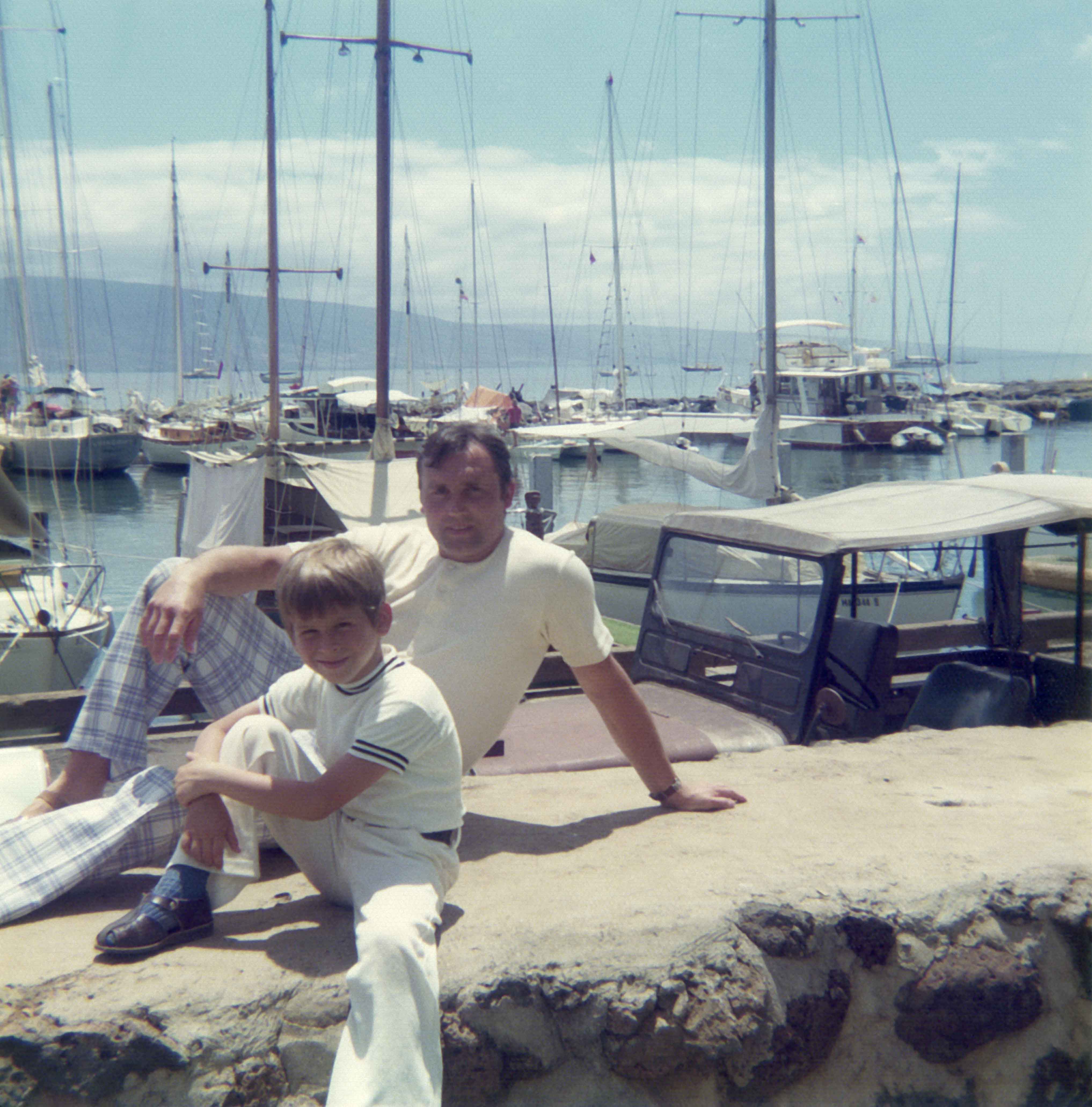
• Our nickname for my dad came about when I was a toddler. I wasn’t able to pronounce “Tati” – Slovak for “Dad”. The best I could do was “Taci”, pronounced “Tat-see” so it stuck for everyone among the extended family. I had many miss-pronunciations throughout my childhood. They were never corrected and became part of my household vocabulary. It eventually became a problem when we visited other friends of my parents. I was around eight years old when we visited a Czech family and I asked the lady if I could “pikat”. She looked at me with confusion, and I repeated the request. I started to get nervous as she still didn’t understand me. So I said in English if I could please have a drink. To my horror she laughed uncontrollably, and said something along the lines of, “chceš niečo pit? (Do you want something to drink?)” Suddenly, with this one mistake it occurred to me that my Slovak was terrible, and I would barely speak a word of Slovak until my mid-20’s when I moved to Prague, Czech Republic.
• My dad died 35 years ago today. I miss him tremendously.
I love you, Taci
• Technical Notes
• I don’t like scratch removal solutions provided by scanners. Even though they offer a quick-fix in removing unwanted damage, I find that it degrades the overall image significantly in the process. My methodology is to always preserve as much detail and texture in the photo as possible, and manually manipulate the images in Adobe Photoshop instead. Even though I sharpen the images, the process will never restore lost data (contrary to what we see on CSI TV shows). Sharpening results in an increase of grain, but I prefer grain over a blurry image.
• My approach is to scan all images without any fancy correction tools, and make the corrections on a pixel by pixel basis in Photoshop. In some cases I will add content around the edges in order to correct composition issues. I will also paint detail that may be completely damaged. I call this “digital restoration with creative license”. The entire process requires a lot of patience, but at the same time, while I am restoring the images, I feel that I am apart of that moment in time, and that makes the work more adoring.
• Taci
If you missed the other Taci posts, you can link to them here:
• Prior to matriculation (graduation) from the agricultural middle School in Barca (now a part of Košice), students had a mini-scientific conference. My dad won the first prize, and in this photo he is presenting his findings. In the background is one of his teachers. My mother graduated from the same school.
• Postscript from my Mom • 2014 September • We commuted by streetcar, which took about half an hour. Taci would be around 18 years old in this photo. This high school was focused on veterinary studies. The table is covered with velvet, so it must have been a special event.
Article – Prečo Práve Poľnohospodárstvo
60.Jun – Košice · Document, Vaclav Dusil (High School class photo)
• My dad went on a trip to Amsterdam, Brussels, and Paris in the summer of 1966. These are a selection of photos from that trip. I still have the leather jacket that he has on in these pictures.
• Tags
Andrej Collak, Anna Collakova, Attila Kende, Csaba Kende, Darina Poprenakova, Digital Restoration, Dusil Family, dusil.com, Edo Novak, Erika Dusil, Eva Dusil, Gabriel Dusil, Ivan Spisak, Iveta Kende, Juraj Bialko, Karol Dusil, Kende Family, Ladislav Kende, Maria Collakova-Korytkova, Maria Dusilova, Michal Jr, Michal Korytko, Nyarjas, Orendas, Pepo Vesecky, Robert Dusil, Robert Dusil sr., Slavo Sykorsky, Stefan Kende, Vaclav Dusil, Valeria Kendeova, Vera Kendeova
• Introduction by Eva Dusil • Editing by Gabriel Dusil • 2014 November
• My mother always instilled in me the need for a good education. She wanted me to have an education in home economics. In those days, my mom couldn’t conceive of a woman attaining a university education. During the socialist era, the importance of serving the greater good was valued above individual needs. My mother believed that secretaries would always be needed in the workforce, and that was her job after World War II. Many woman from that era felt their place was in the home. The fact that she had a job was even frowned upon by the old establishment. In a way, my mother was ahead of her time. Low wages paid by the socialist state drove most women into the workforce after the second world war, to earn the badly needed secondary income for the family.
• Socialism promised to make everyone’s life easier. But as time went on it was clear that was not going to happen. As a child I even believed in the propaganda. I watched my mother toil late into the night after she finished at the office. I spent much of my time helping her. She was a tiny woman, eternally bent over due to scoliosis. Because of her ailments her body aged prematurely. I only remember my mother with platinum white hair. I grew up fearing that she would die at any time. I don’t remember her smiling a lot, and she certainly never laughed. Her face concealed any happiness she may have experienced as a young girl.
• I would constantly bring home stray cats from the yard across from our house. Even though we hardly had food, my mother always find something to give them. She would give me one Koruna (around 5 cents today) to go to the butcher’s store and buy the cheapest meat – usually the spleen. She would cook it and I would feed it to my four legged friends. I’d even go to the school cafeteria and ask them for leftovers so I could feed them. I’d spend hours in that yard just watching the strays scavenging and playing. My mother eventually came to understand my love for animals.
• My father was an intellectual, who also wrote poetry in his spare time. He tried to write plays, but that didn’t quite pan out. He was an antiquarian – an scholar of old books – one of only three experts in Czechoslovakia. We had access to a wide array of books that most people did not. We were all avid readers and literature was certainly my second love. If I wouldn’t have become a veterinarian I probably would have worked with books in some capacity. The cultural sector, as it was called, paid the lowest salaries, so only the love for his job kept my father immersed in his profession. Unfortunately my father did not pass his expertise onto us, which was a pity. But I am thankful that he instilling in me the love of arts, literature, poetry, and opera.
• Kende
If you missed the previous posts on Kende, then click on these links:
• Postscript from Gabriel Dusil • Isn’t my mom so cute, at two and a half years old? The major challenge in this photo was recovering touch-ups done by the photographer – It was a common method of “enhancing” the photos back then. You can see in the restoration video that when I zoomed in to her face, the eyes and eyebrows had been accented by ink pen. The challenge is to reproduce what is underneath. I’m not an artist, so I don’t quite have a grasp of manually reproducing facial features. Thankfully, my mom is an artist, so over Skype we hashed out what I needed to do. Eventually we got the eyes and mouth just right. Thanks Mamička. Love you ♥
48 – Košice · Eva Kendeova & Valeria Kendeova49 – Košice · Kende family (Csaba, Valeria, Eva, Stefan, Attila)49 – Košice · Kende family (Stefan, Valeria, Eva, Csaba, Attila)65 – Košice · Eva, Attila & Csaba Kende
• Postscript from my Mom • 2014 October • This photo was taken at Krmanova 3, Košice on the day of Attila’s wedding to Anka.
• 9 minutes 40 seconds
71.Apr.7 – Košice · Kende Family (Stefan Kende’s birthday)
• Postscript from Eva Dusil • 2014 October • This is a family photo, taken on my father’s 71st birthday. From left standing: my uncle Csaba Kende, Ladislav (Lacko) Kende, my aunt Marta Kolos, Anka Kendeova, and Attila Kende holding Tomas Kende. Sitting, Valeria Kendeova, Ingrid Kende, Iveta Kende, Stefan Kende, my cousin Zsusanna Kolos holding Peter Kende, Viera Kende holding Richard Kende.
• 3 minutes 31 seconds
71 – Košice · Aci, Anka, Iveta, Valeria, Tomas, Petr & Stefan Kende72 – Košice · Valeria & Stefan Kende (audio recording)71 – Košice · Valeria & Stefan Kendeova (passport photo)71 – Košice · Csaba, Ladislav, Valeria, Viera, Ingrid & Stefan Kende
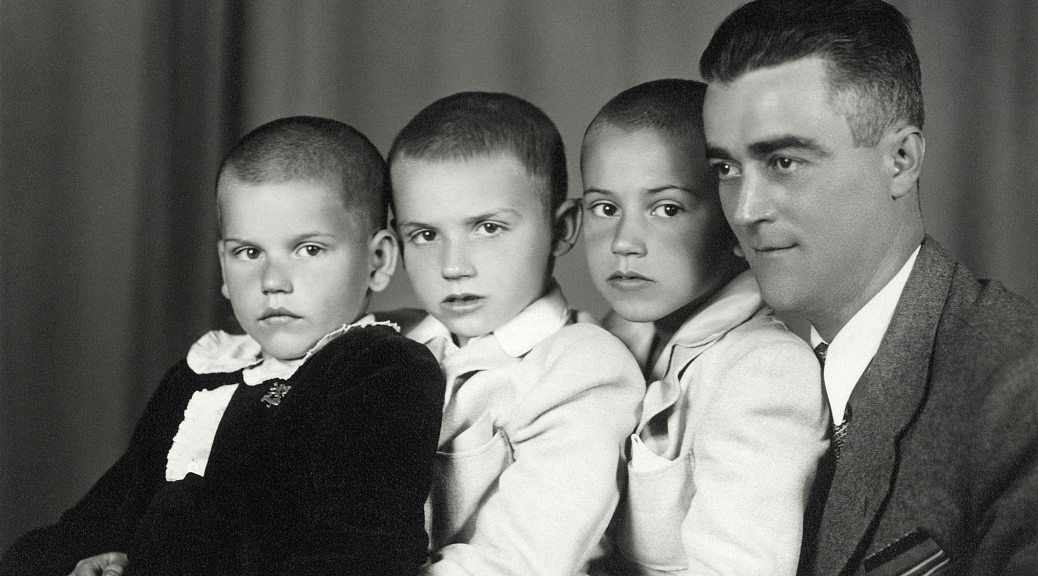
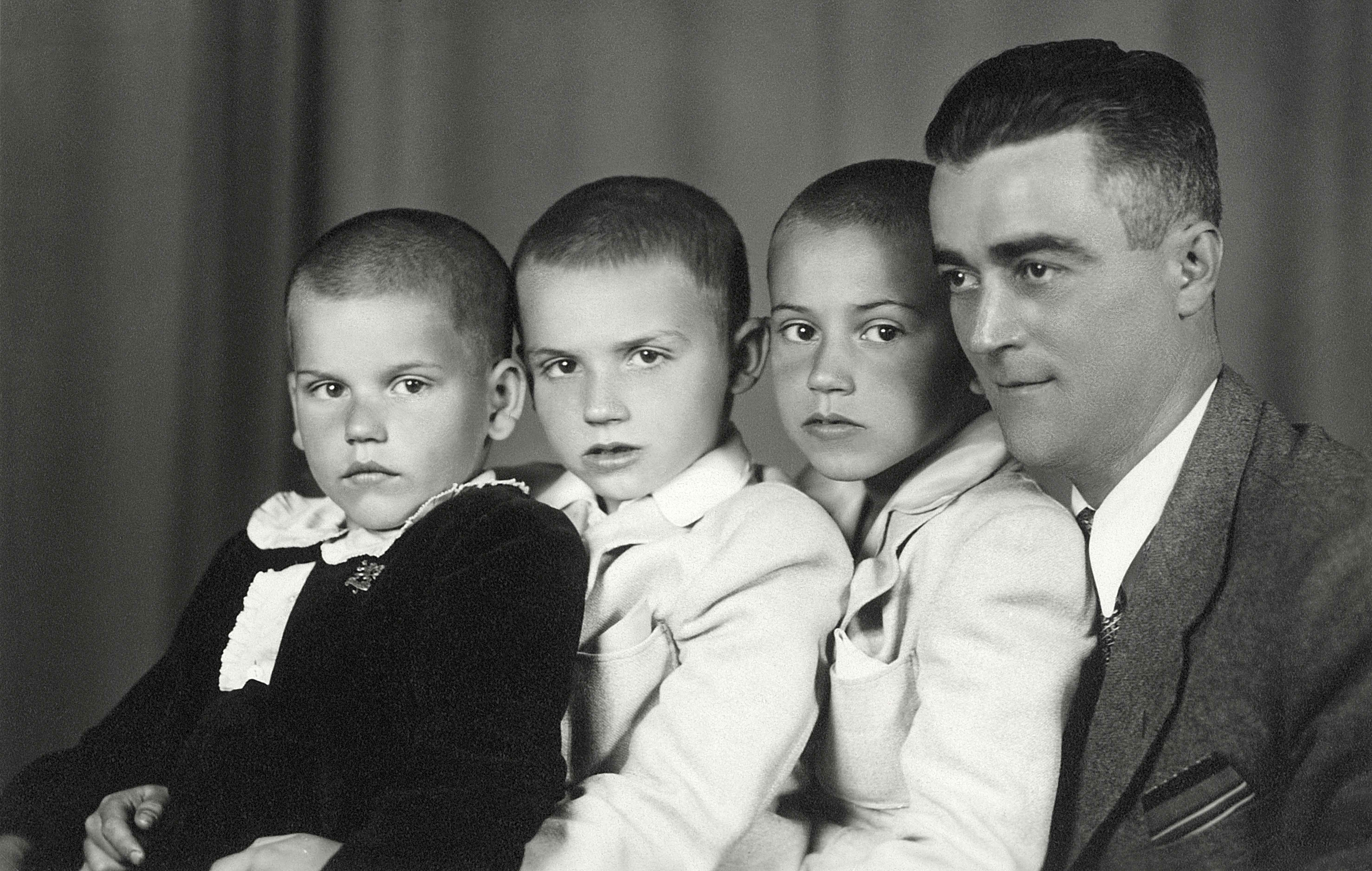
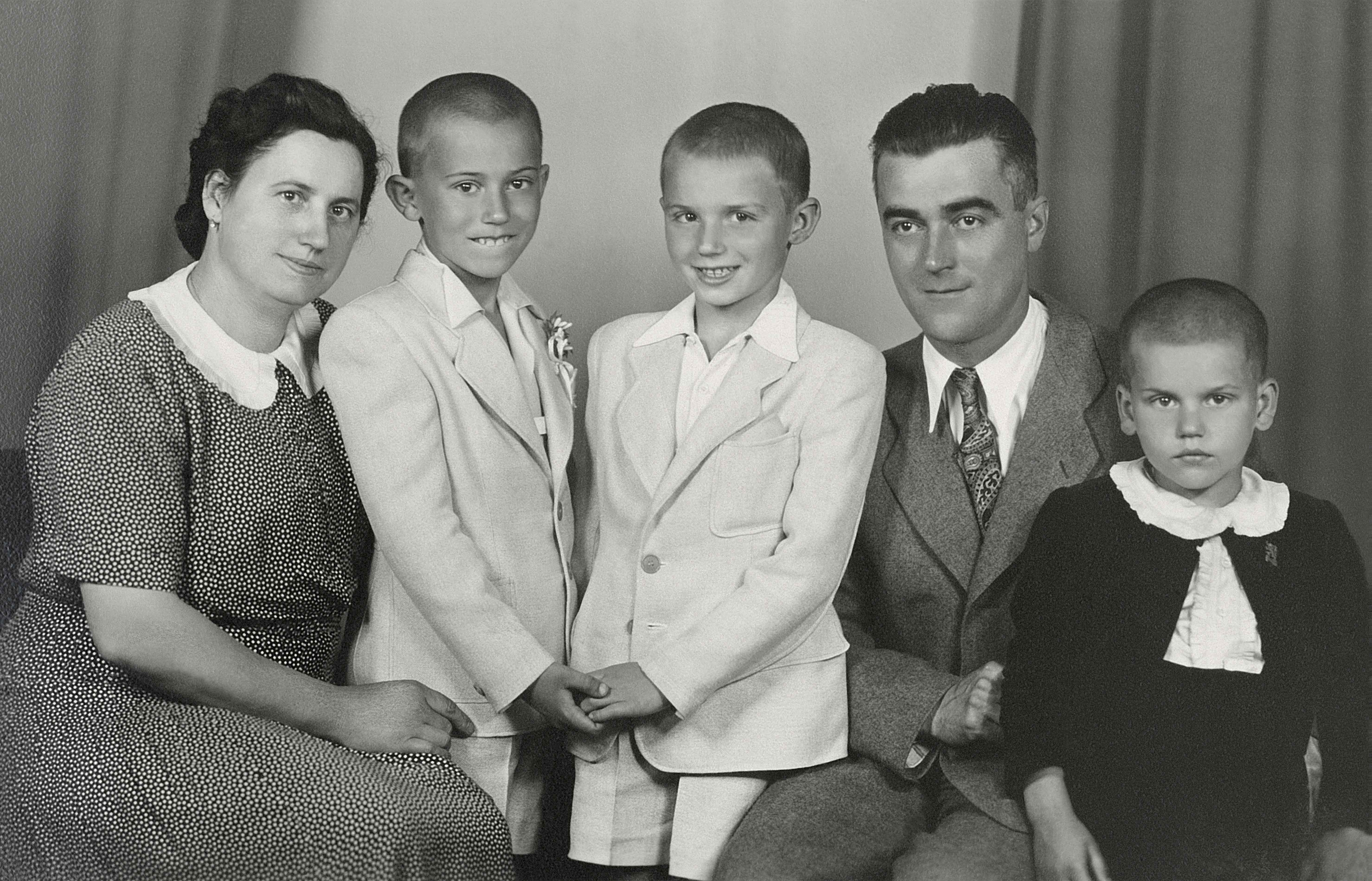
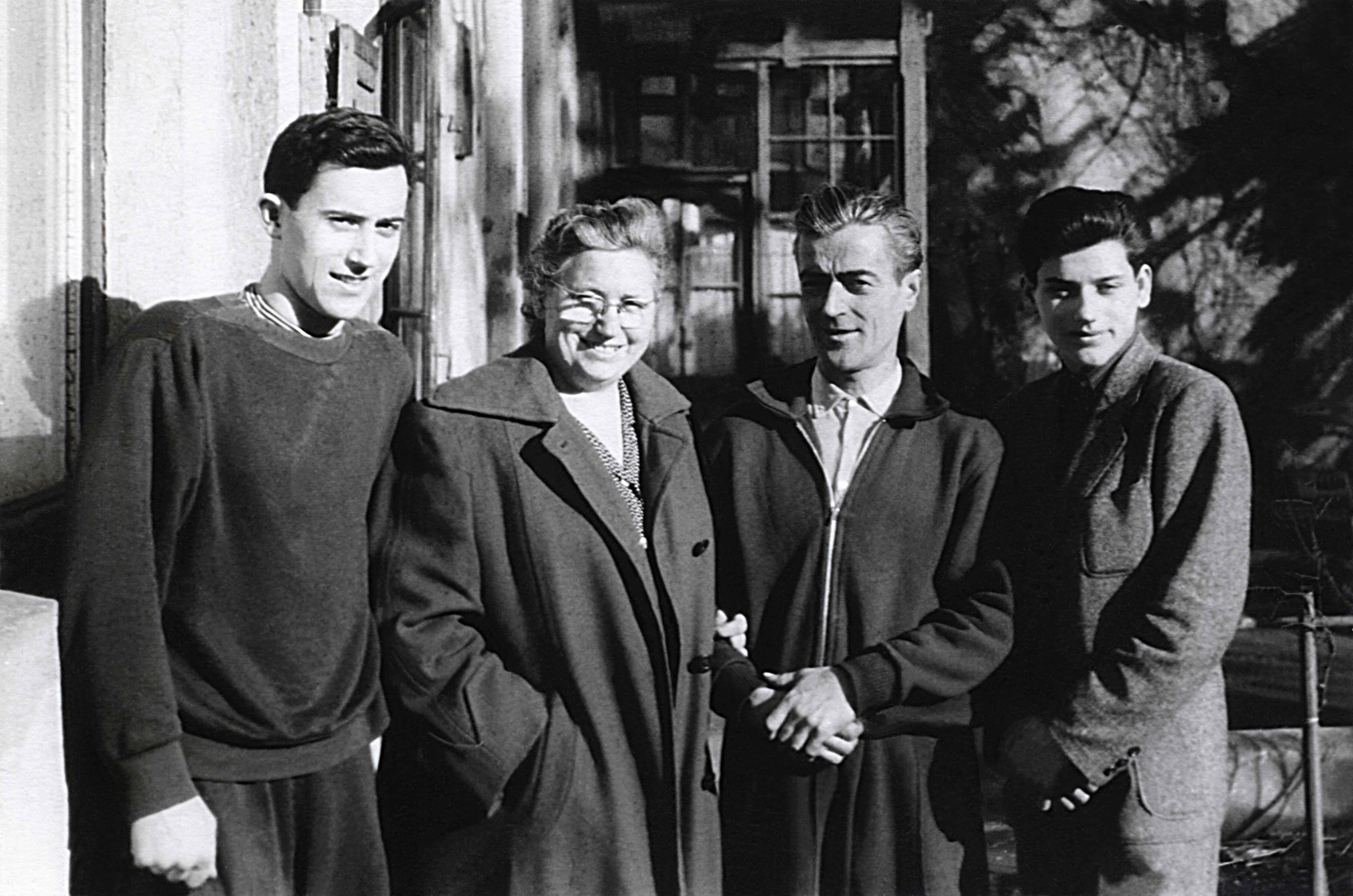
“Ultimately the purpose of life boils down to one question: What do your children think of you? Our highest value is to live in the memory of our children.” Karol Dusil
• All three Dusil brothers were competitive and ambitious. This may have been due to genetics and partly because of their environment. All three brothers were denied many things growing up; They’re father wasn’t around during their formidable years so their mother carried the boys through their teenage years and into manhood. The repressive communist regime, was also a contributing factor, where a capitalist definition of ambitionwas prohibited. My uncle once told me they felt persecuted by the repressive communist regime. The best way for them to get back at them was to get the most out of iron curtain’s education system and use that to thrive in the West. All the Dusil brothers made a tremendously positive mark in this world, using their own resourcefulness, intelligence, and determination.
• One year after the Warsaw Pact Invasion, the two youngest brothers saw their opportunity to escape the regime. The oldest of the three had already settled in Sweden with no plans to return. After they emigrated a local journalist wrote about the Dusil brothers – In so many words he said that they took advantage of the communist education system and abandoned Košice Judo. It’s worth noting at this point that higher education in the communist regime was free. Often candidates were accepted into university, not based on their scholastic achievements, but based on the position their father held in the communist party. Of the 150 students that started in my uncle’s engineering class, only 50 finished. The journalist may have been politically pressured to write the article, although this has never been confirmed. In retrospect, the property their father owned, confiscated by the communists in 1948, would have covered the Harvard education tuition fee for all three boys.
• The brothers fought a lot, but stuck together when necessary. My dad’s temperament was closer to his mother’s, and the youngest brother was somewhere in between. The oldest brother was most similar in personality to their father. My father was the most sensitive of the three boys. My uncle once said to me, “You could easily hurt his soul”.
• Dusil
If you missed the previous posts on Dusil, then click on these links:














































 Gabriel Dusil • Time Is Relentless