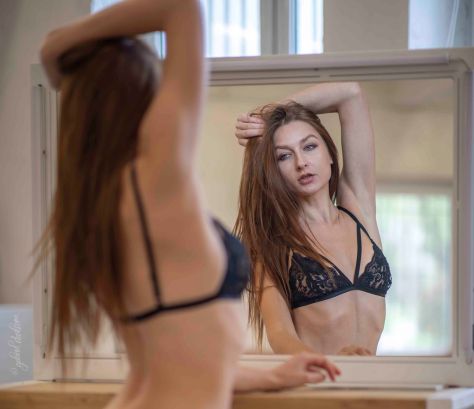
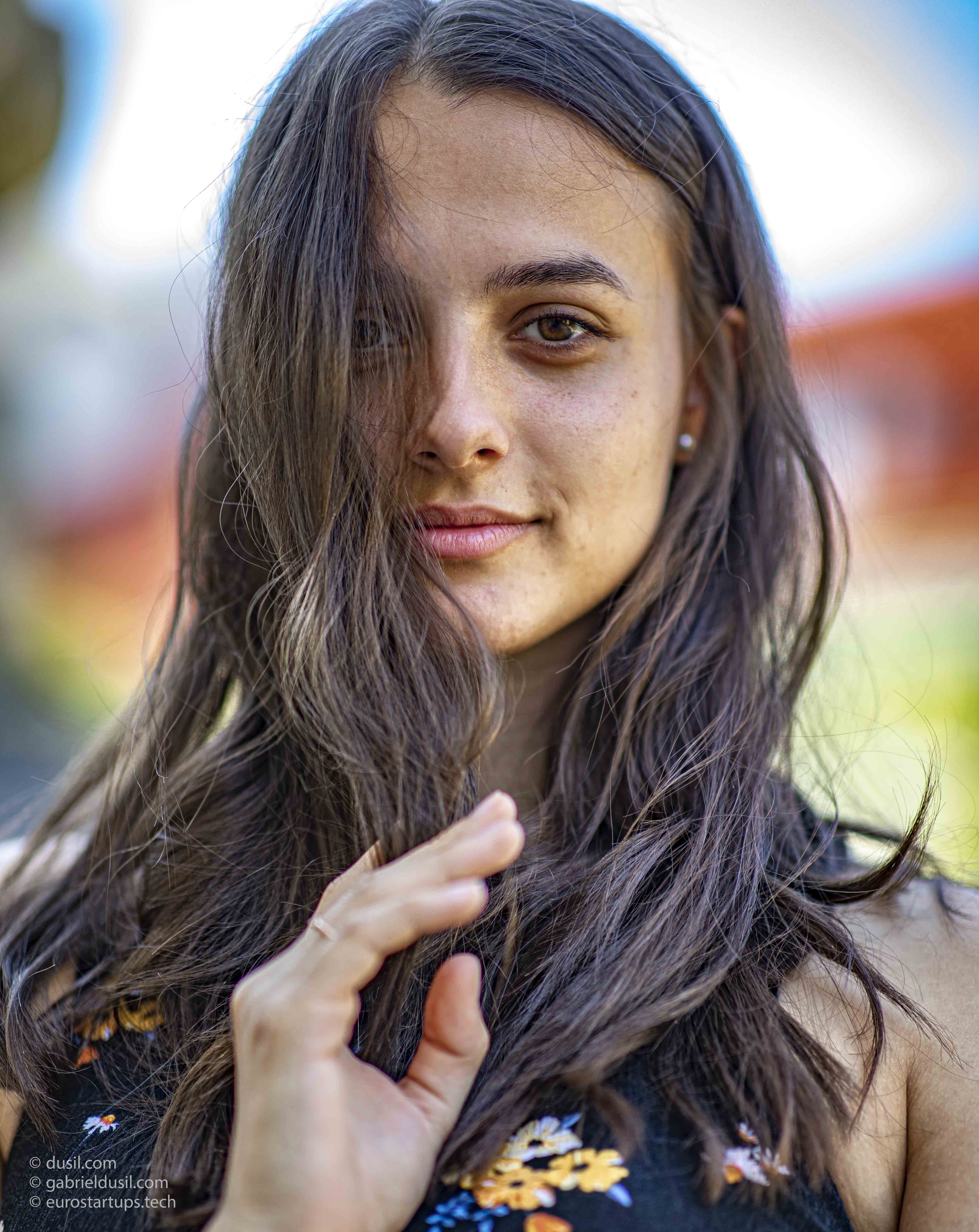
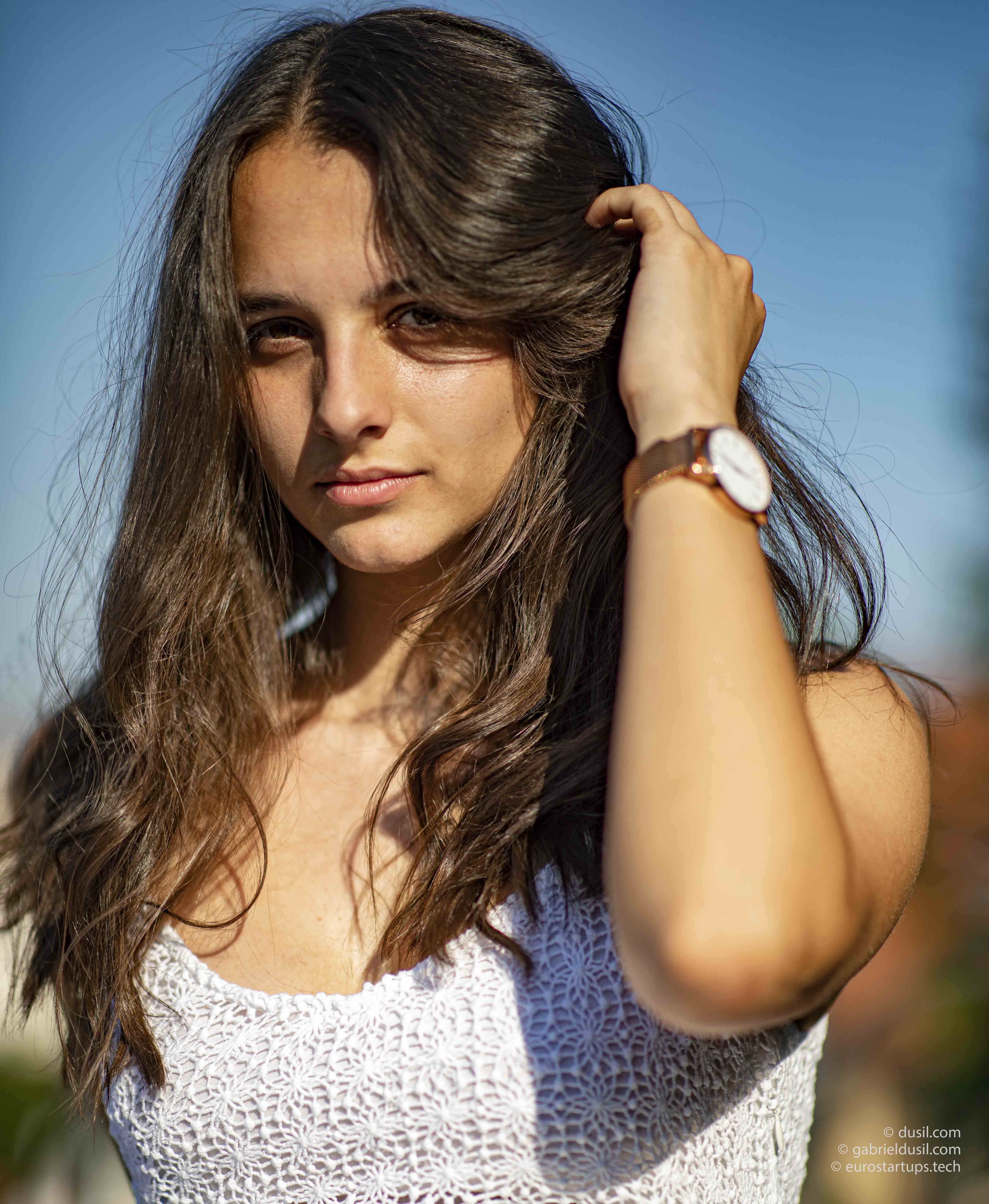
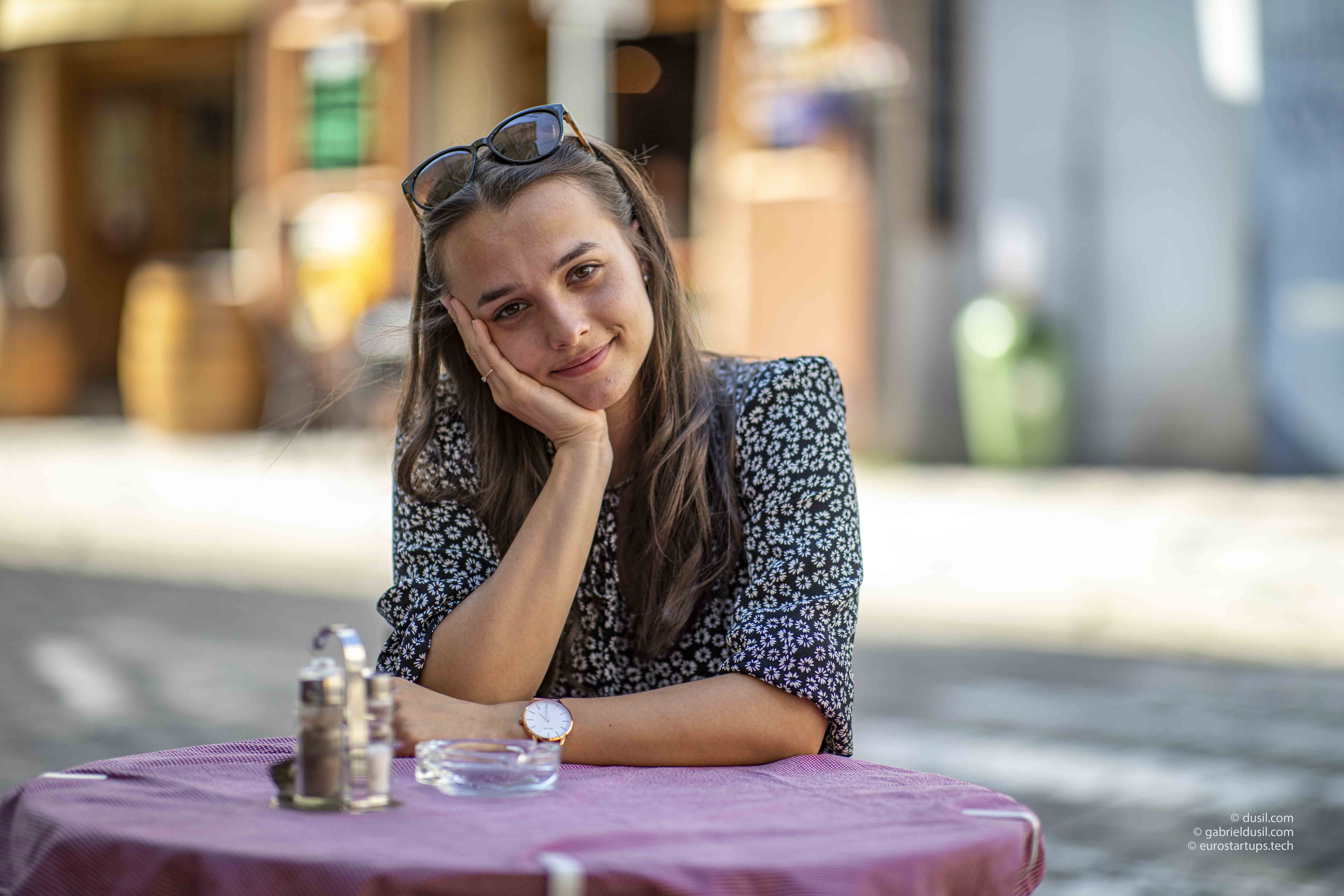
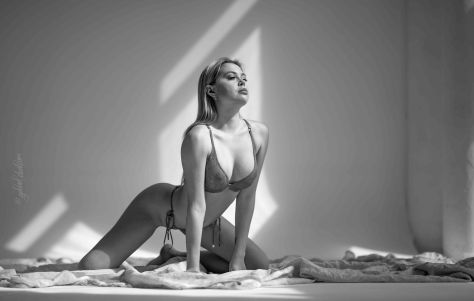
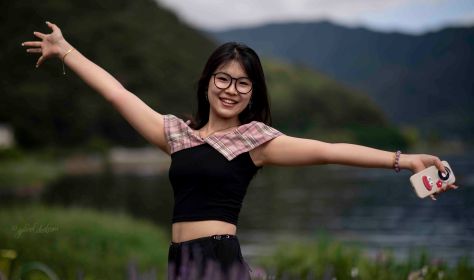
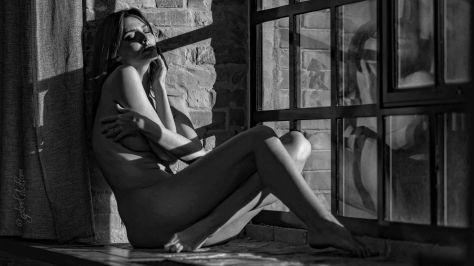
Dusil Photography is dedicated to celebrating feminine beauty. Images throughout these pages capture a moment in time – grasping a model’s innocence, compassion, and strength. Each photoshoot hopes to reveal the model’s essence, and briefly glimpse into their soul.
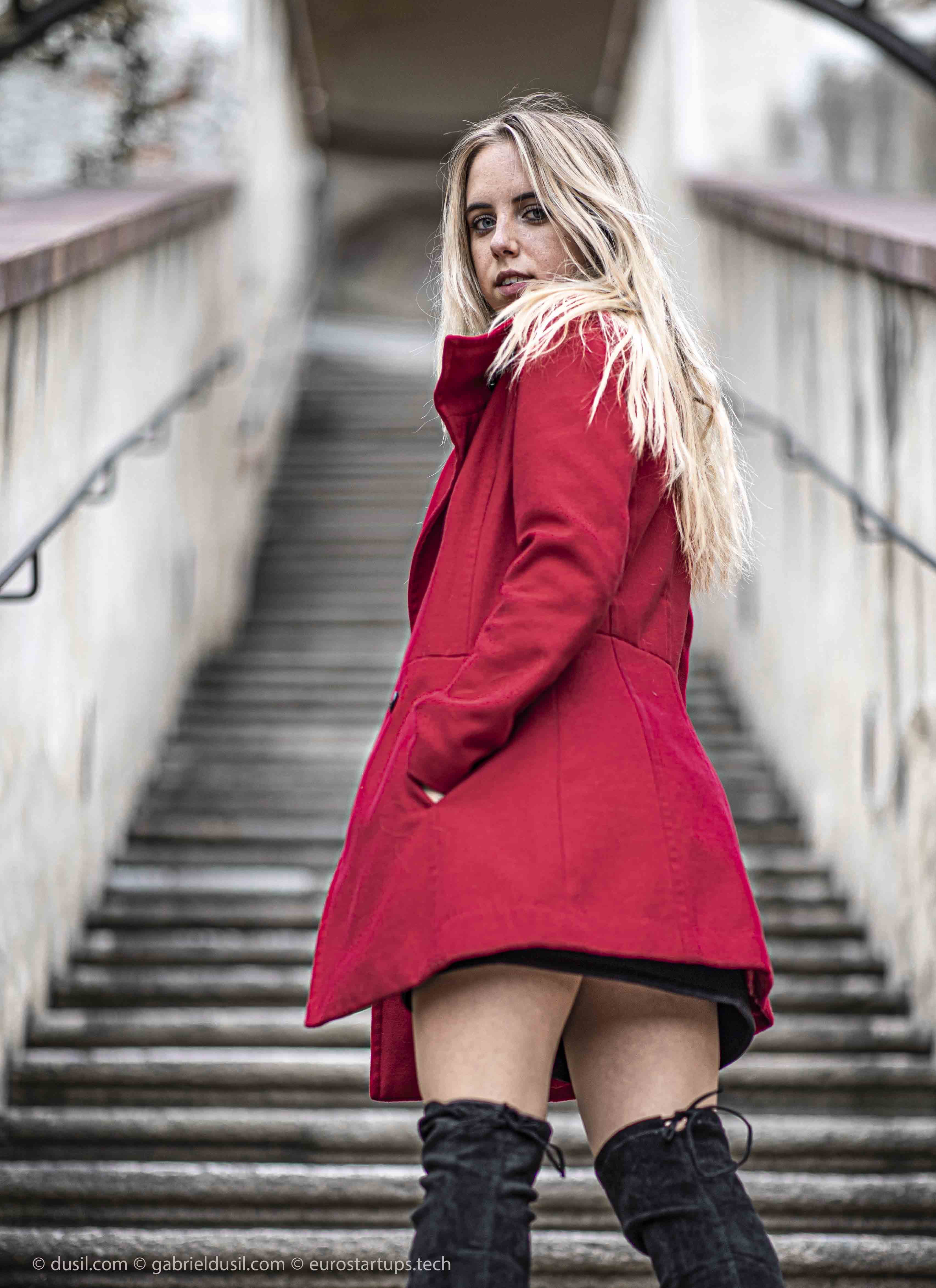
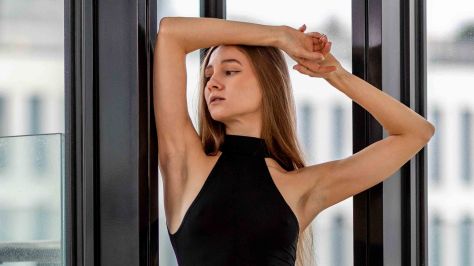
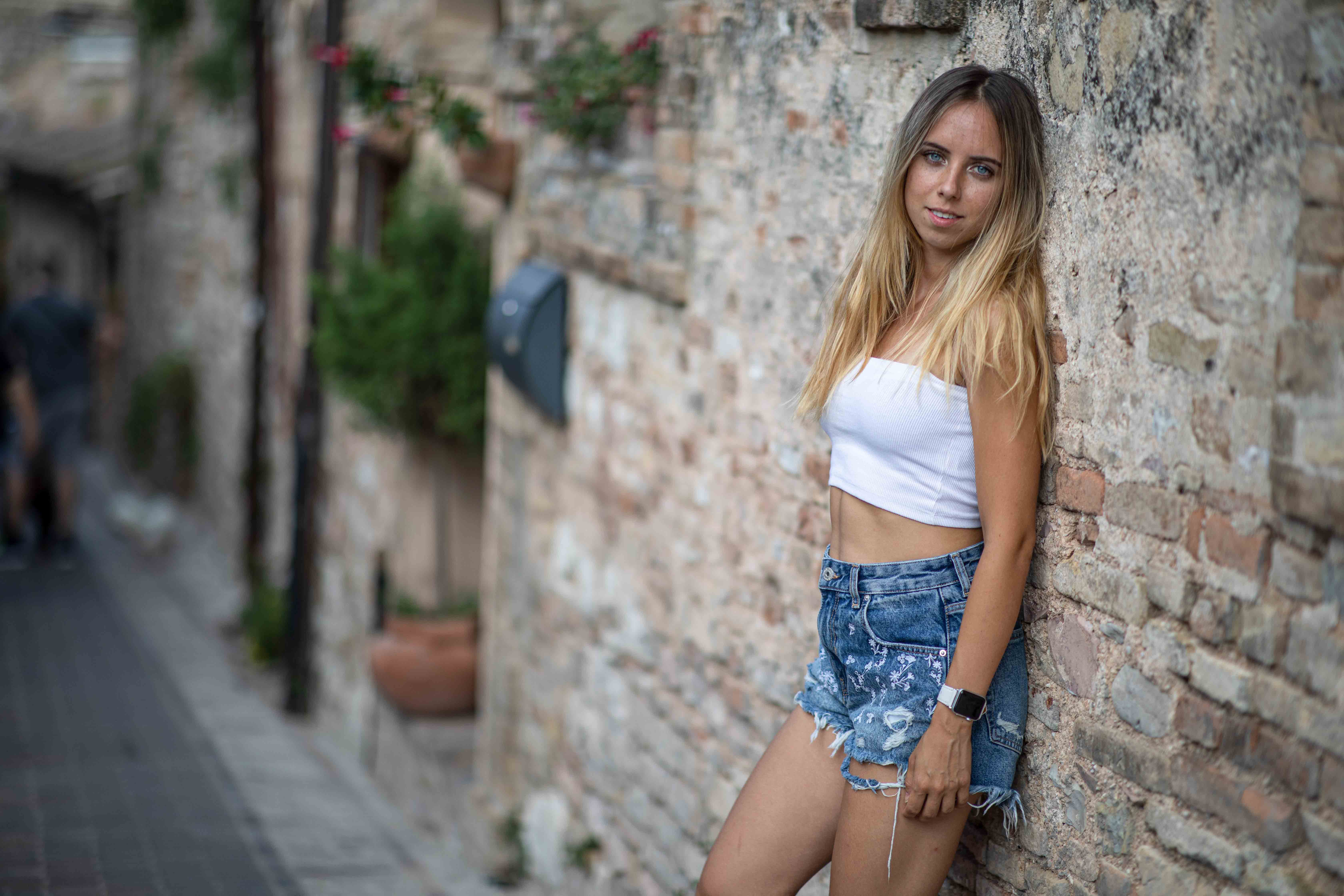
For today’s post let’s revisit our shoot with Benazir Jursunbek with ten more photos, shot near the Prague Castle in the Czech Republic, in an area called “Nový Svět”, aka. “New World”. Enjoy!
• Prints
All photos can be ordered as prints. Pricing and details can be found here.
Dusil Photography is dedicated to celebrating feminine beauty. Images throughout these pages capture a moment in time – grasping a model’s innocence, compassion, and strength. Each photoshoot hopes to reveal the model’s essence, and briefly glimpse into their soul.
Dusil Photography is dedicated to celebrating feminine beauty. Images throughout these pages capture a moment in time – grasping a model’s innocence, compassion, and strength. Each photoshoot hopes to reveal the model’s essence, and briefly glimpse into their soul.
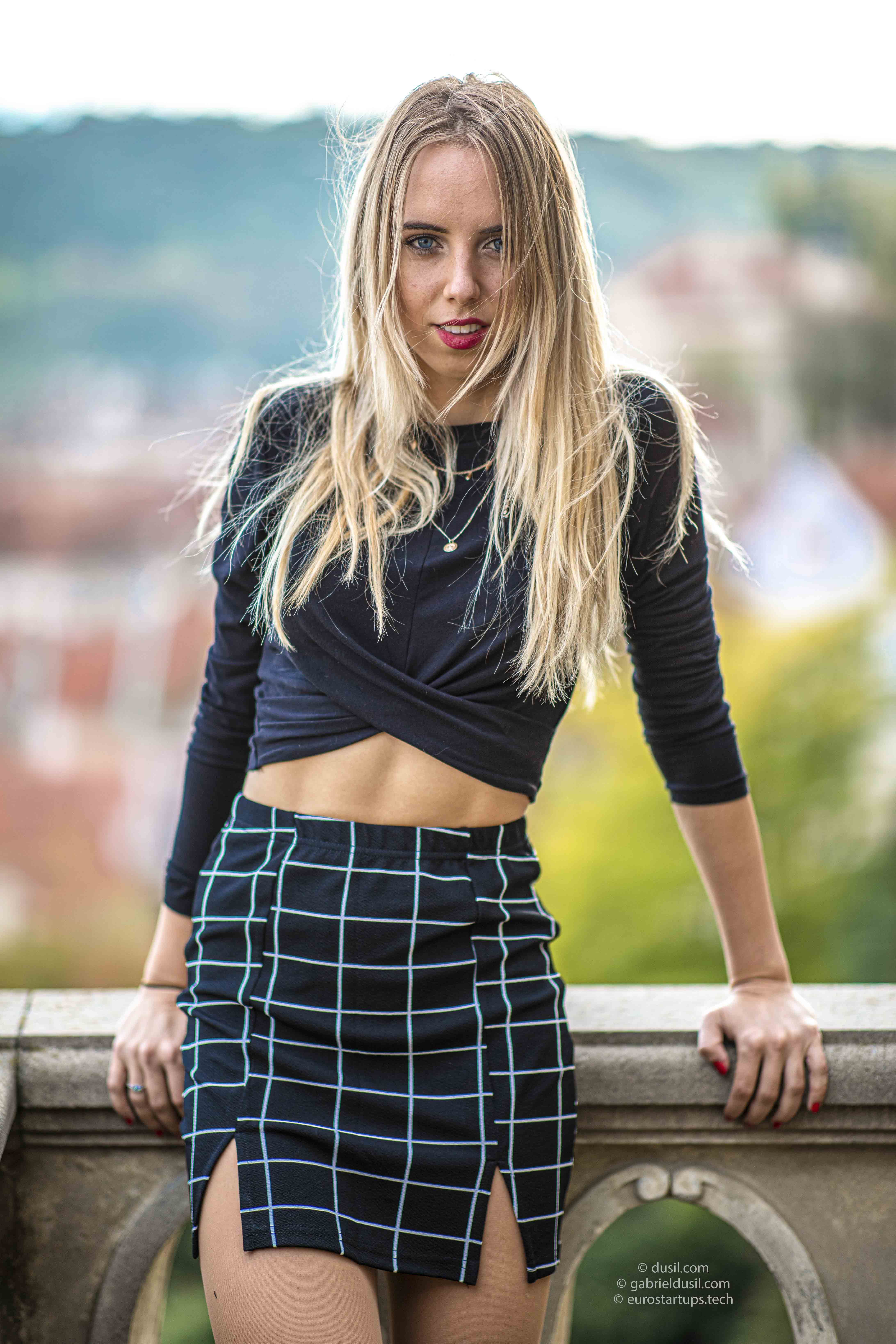
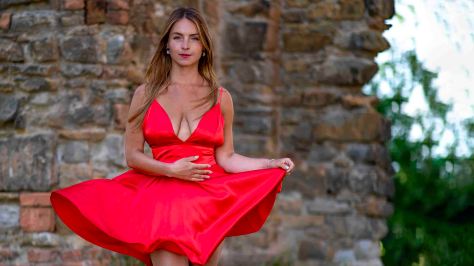
Welcome to our second shoot. This time we’re with a gorgeous Czech model, Veronika Žiláková. This photoshoot was held in the beautiful Fürstenberg Gardens, aka. “Fürstenberská zahrada“. Enjoy!
Dusil Photography is dedicated to celebrating feminine beauty. Images throughout these pages capture a moment in time – grasping a model’s innocence, compassion, and strength. Each photoshoot hopes to reveal the model’s essence, and briefly glimpse into their soul.
This post is the first in a series of photoshoots held over the past couple of years. First up is Benazir Jursunbek. This session was shot near the Prague Castle in the Czech Republic, in an area called “Nový Svět“, aka. “New World“. Enjoy!
Dusil Photography is dedicated to celebrating feminine beauty. Images throughout these pages capture a moment in time – grasping a model’s innocence, compassion, and strength. Each photoshoot hopes to reveal the model’s essence, and briefly glimpse into their soul.
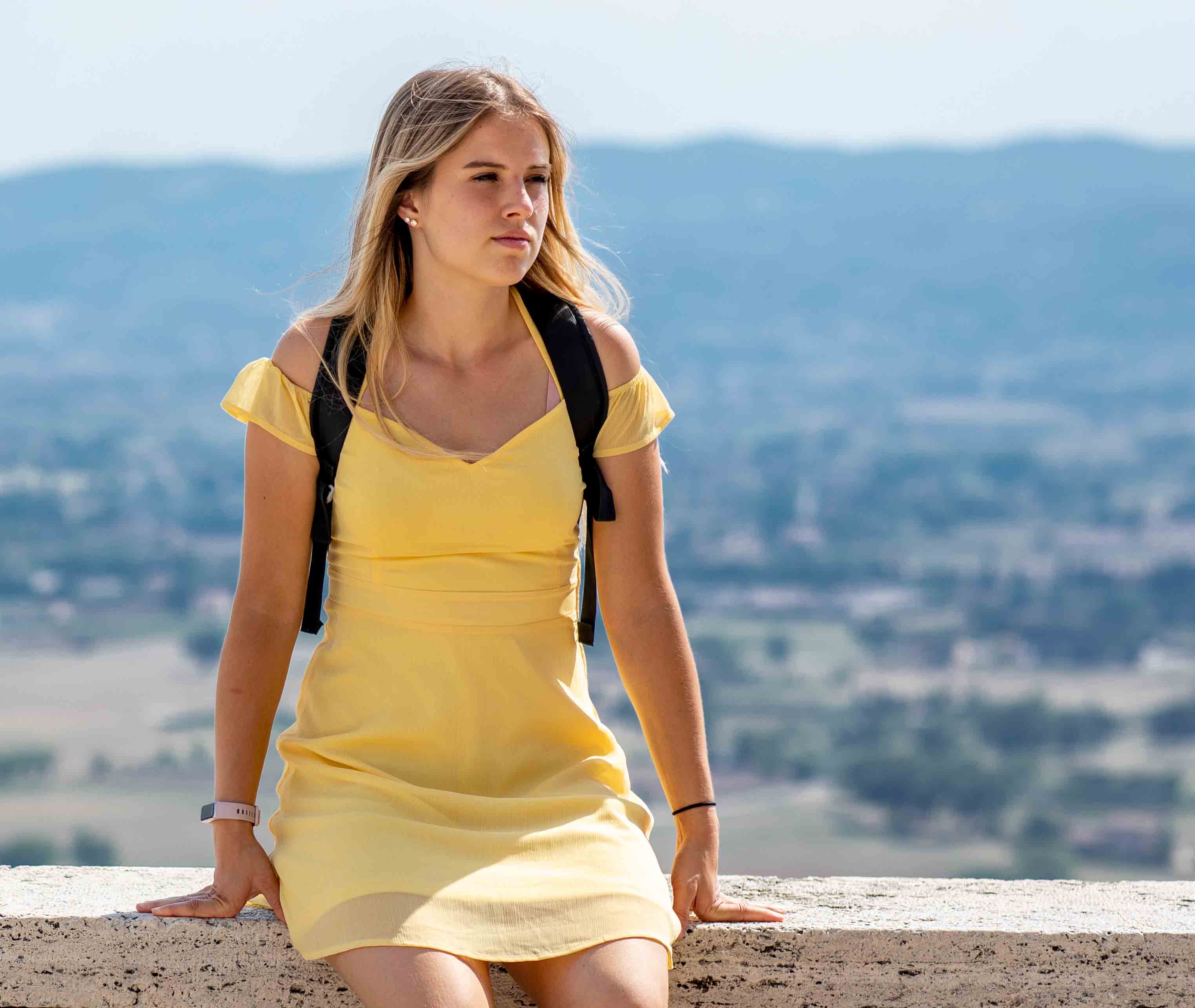
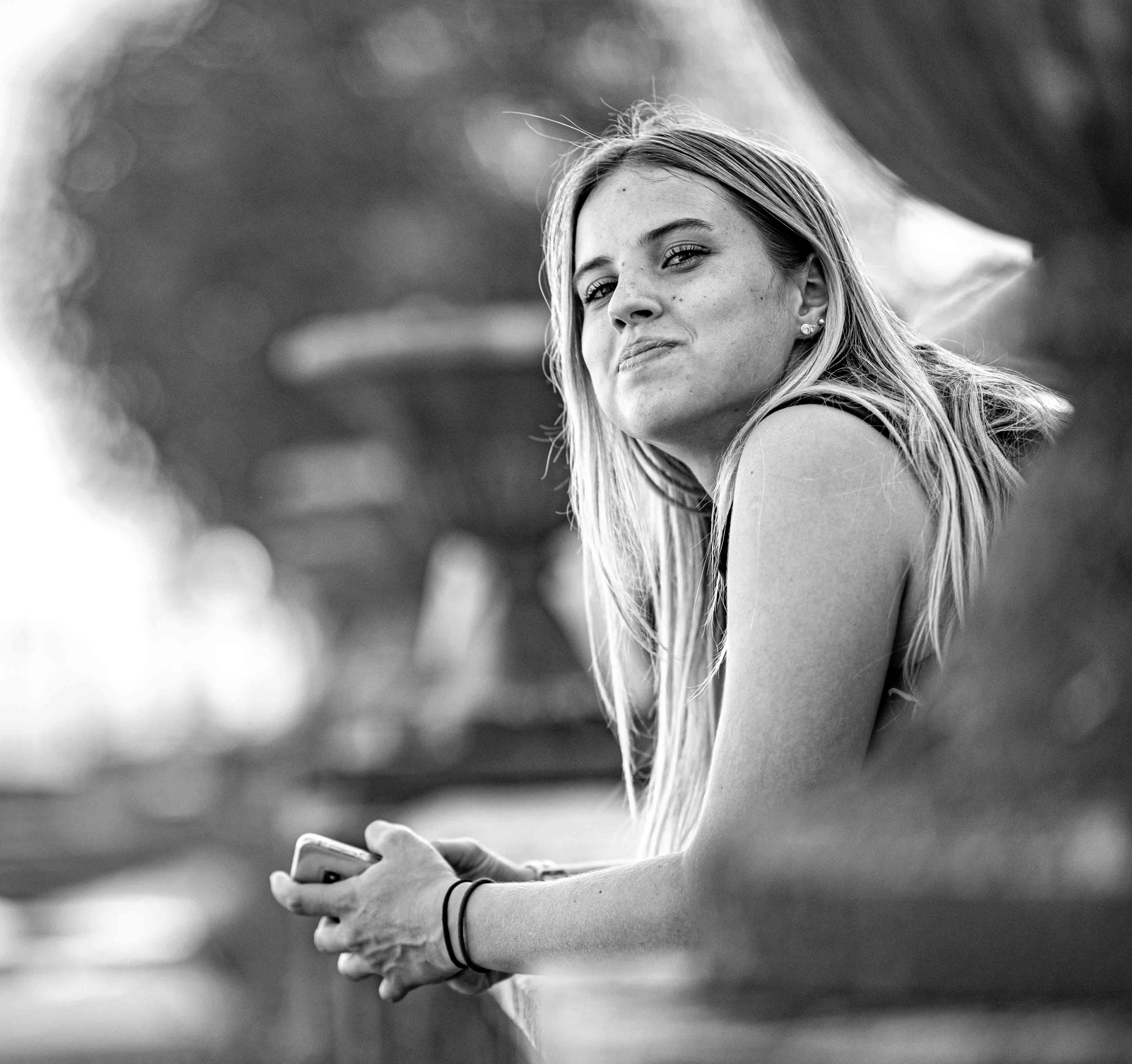
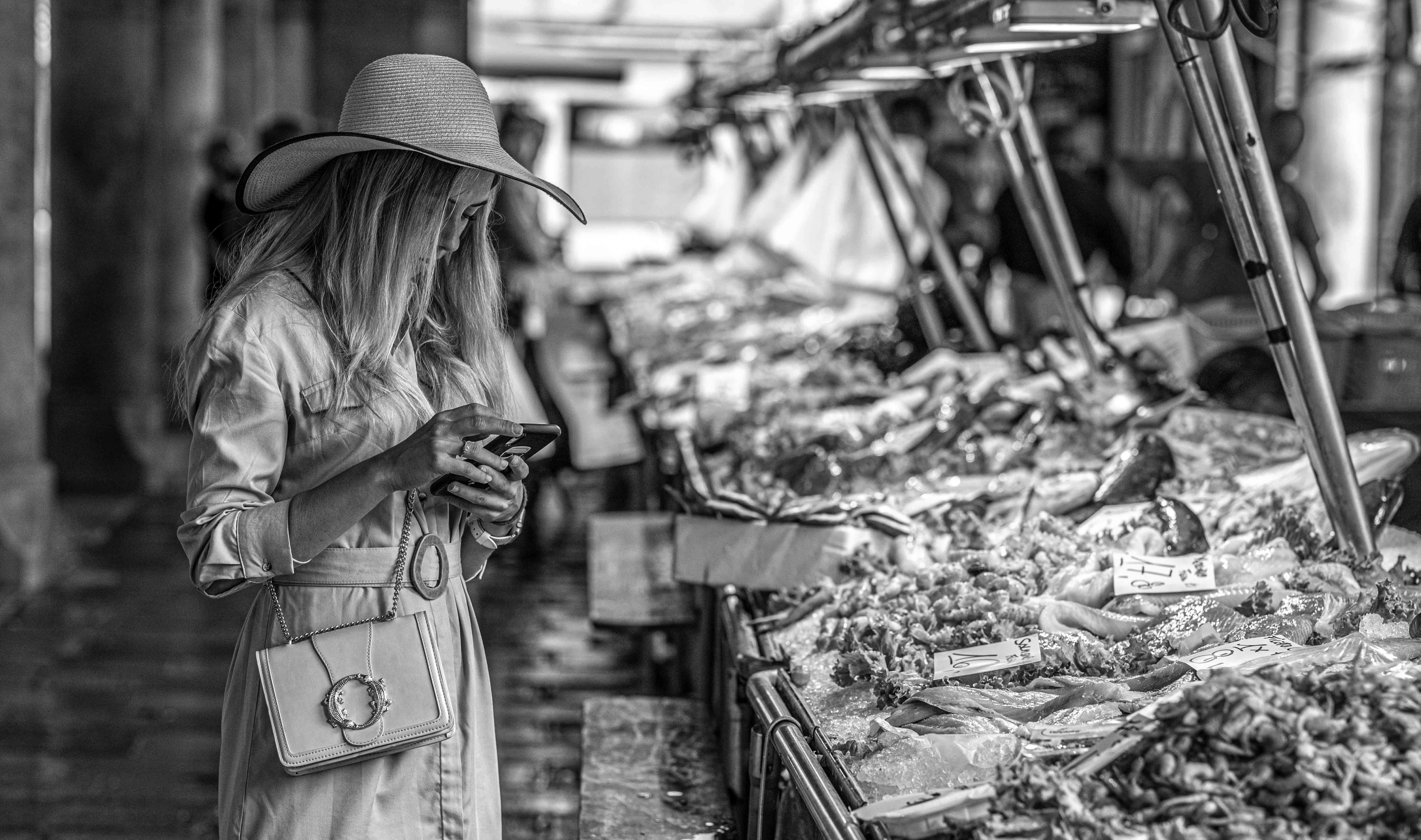
Here is part two of our Italian road trip. This time featuring Barbora and Veronika Žiláková – the talented, congenial, and delightful ladies who accompanied us along our journey.
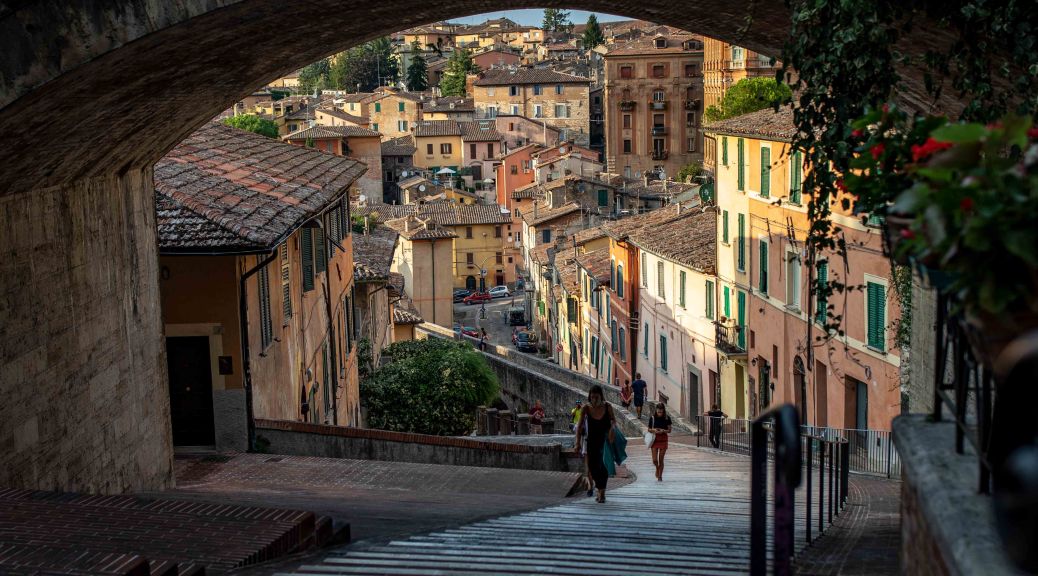
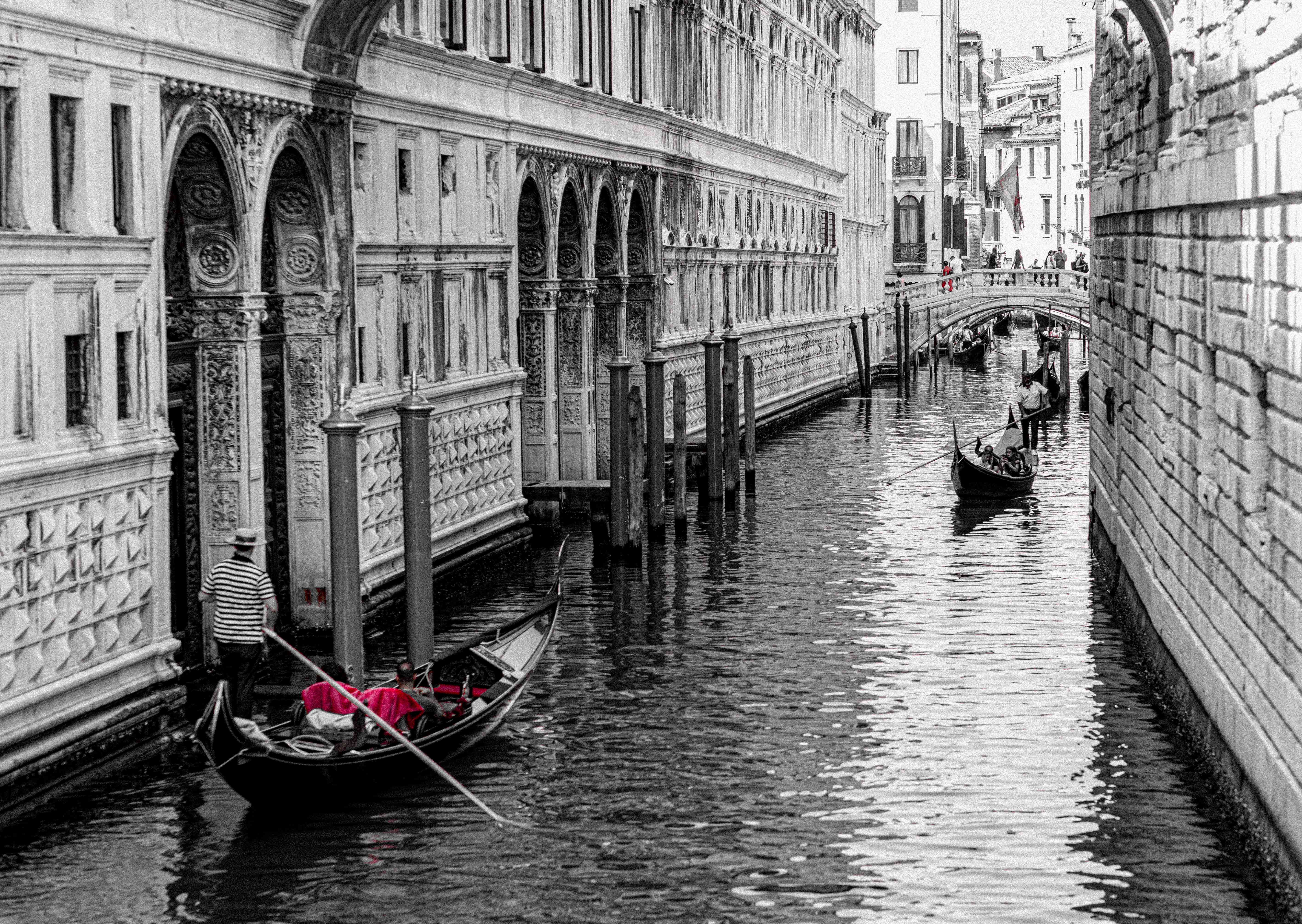
This summer I accompanied my boys, Matias and Lucas, as well as Mati’s girlfriend, Barbora, and her sister Veronika on a ten-city roadshow across North-East Italy. Check out highlights of our journey through Venice, Padua, Ferrara, Bologna, Ravenna, Florence, Perugia, Assisi, and Spello. Enjoy!
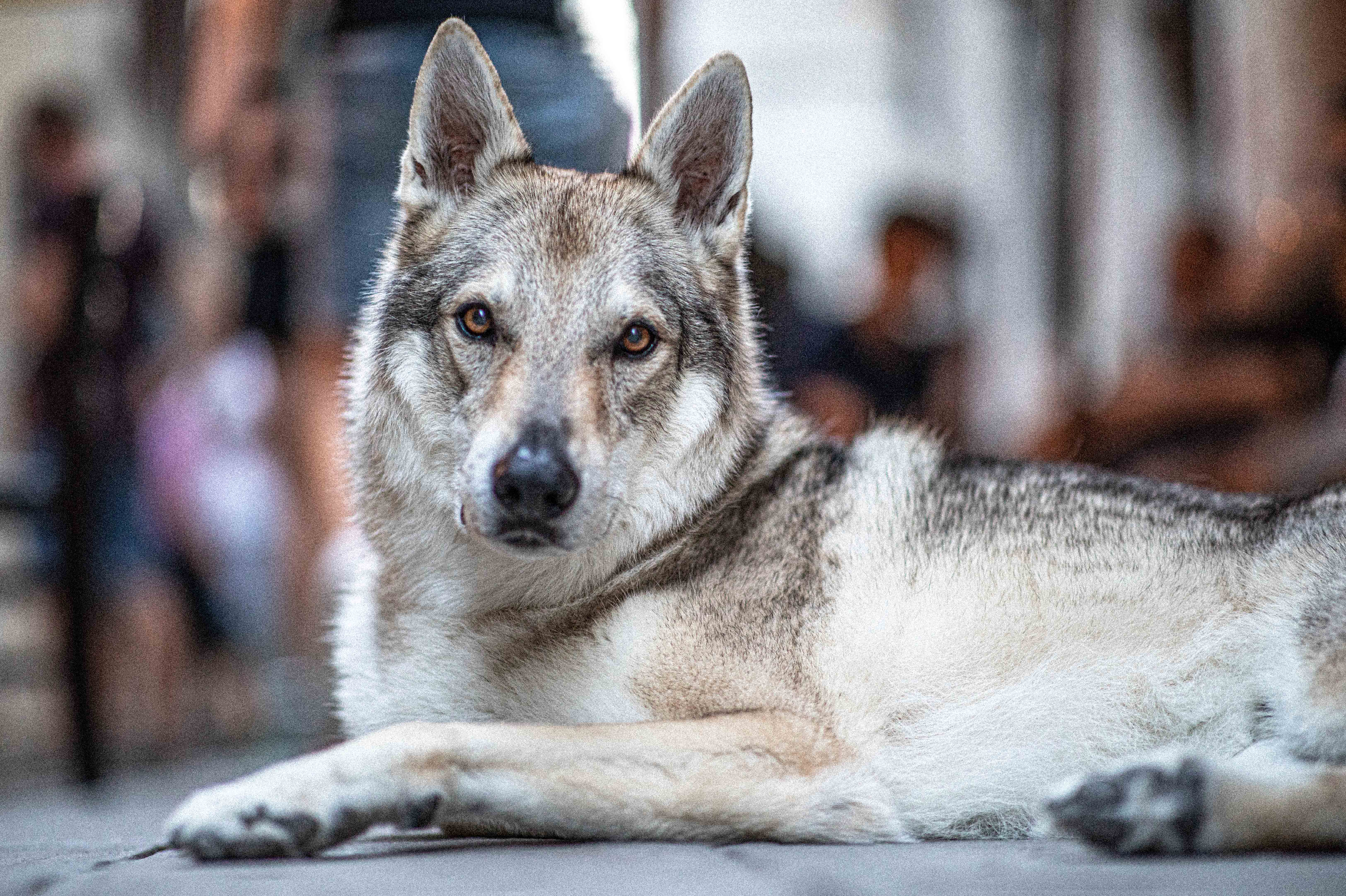
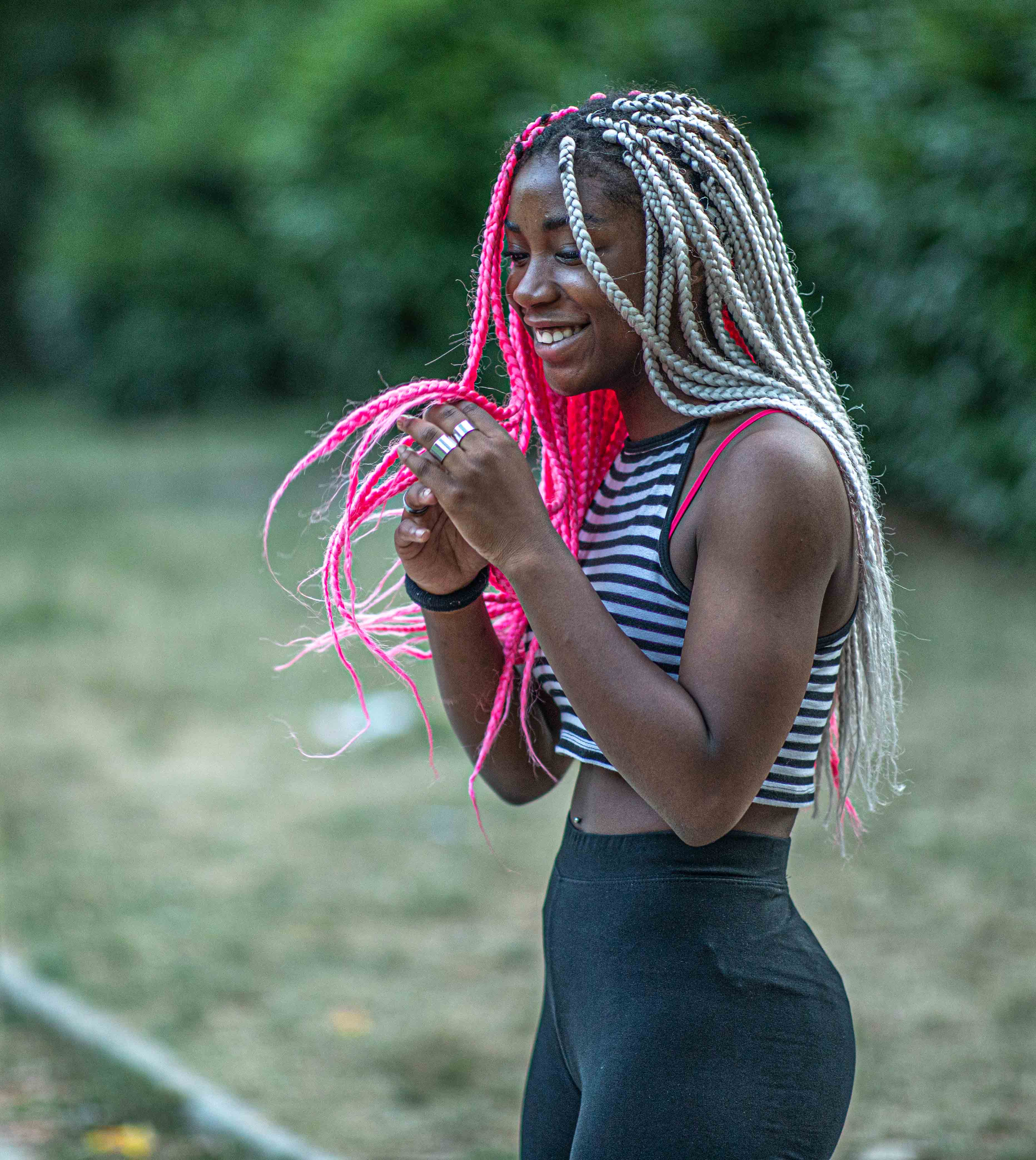
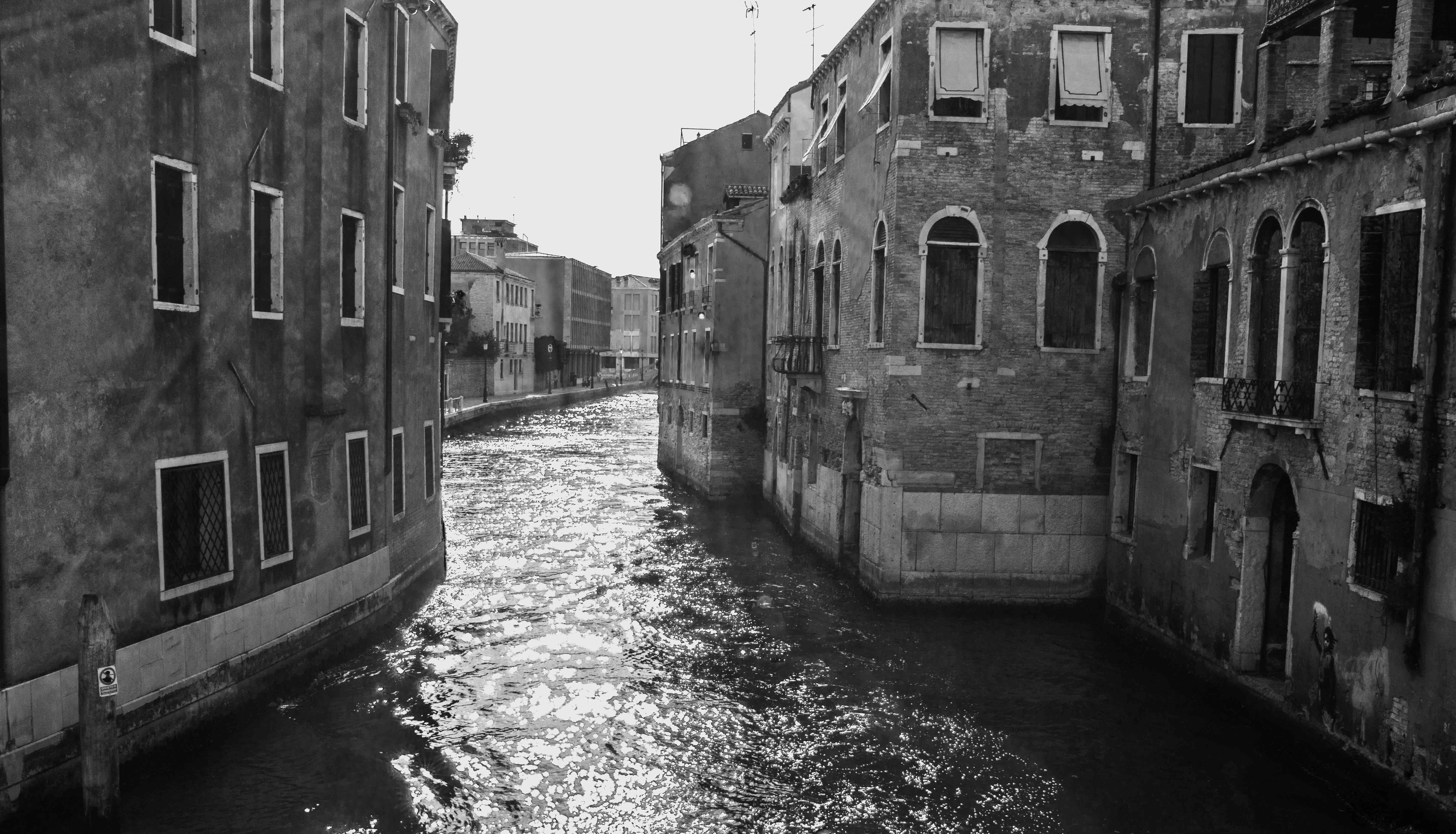
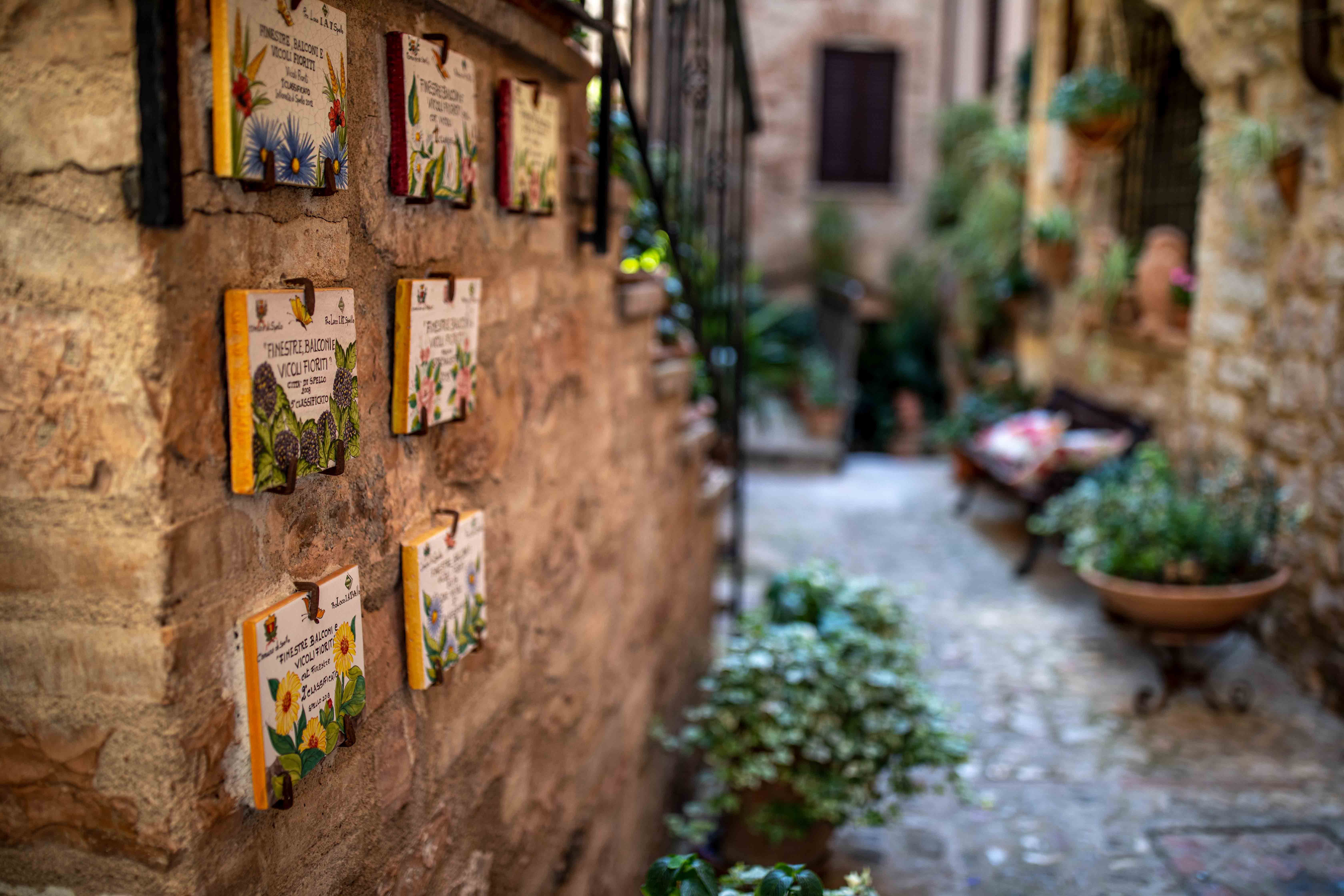
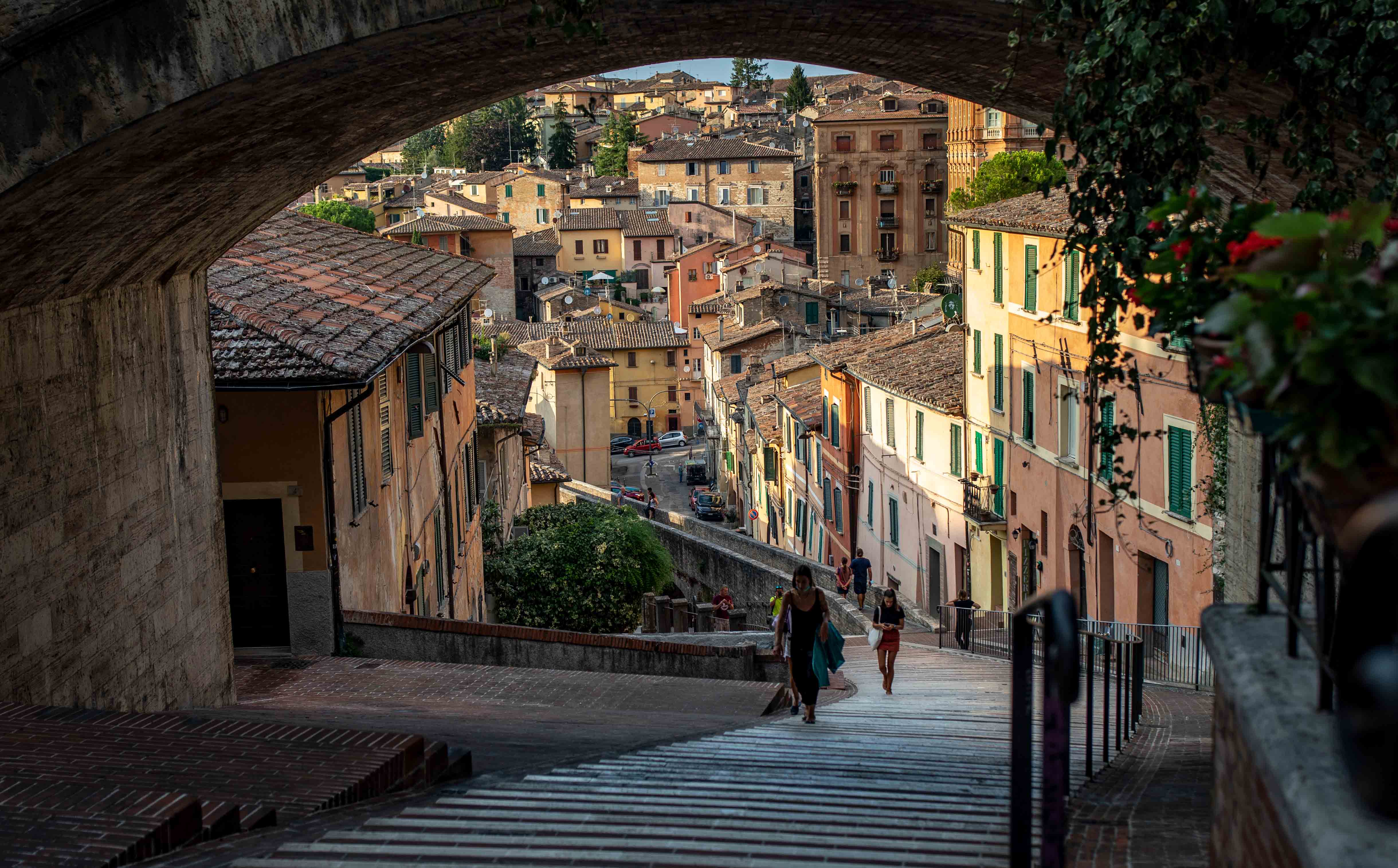
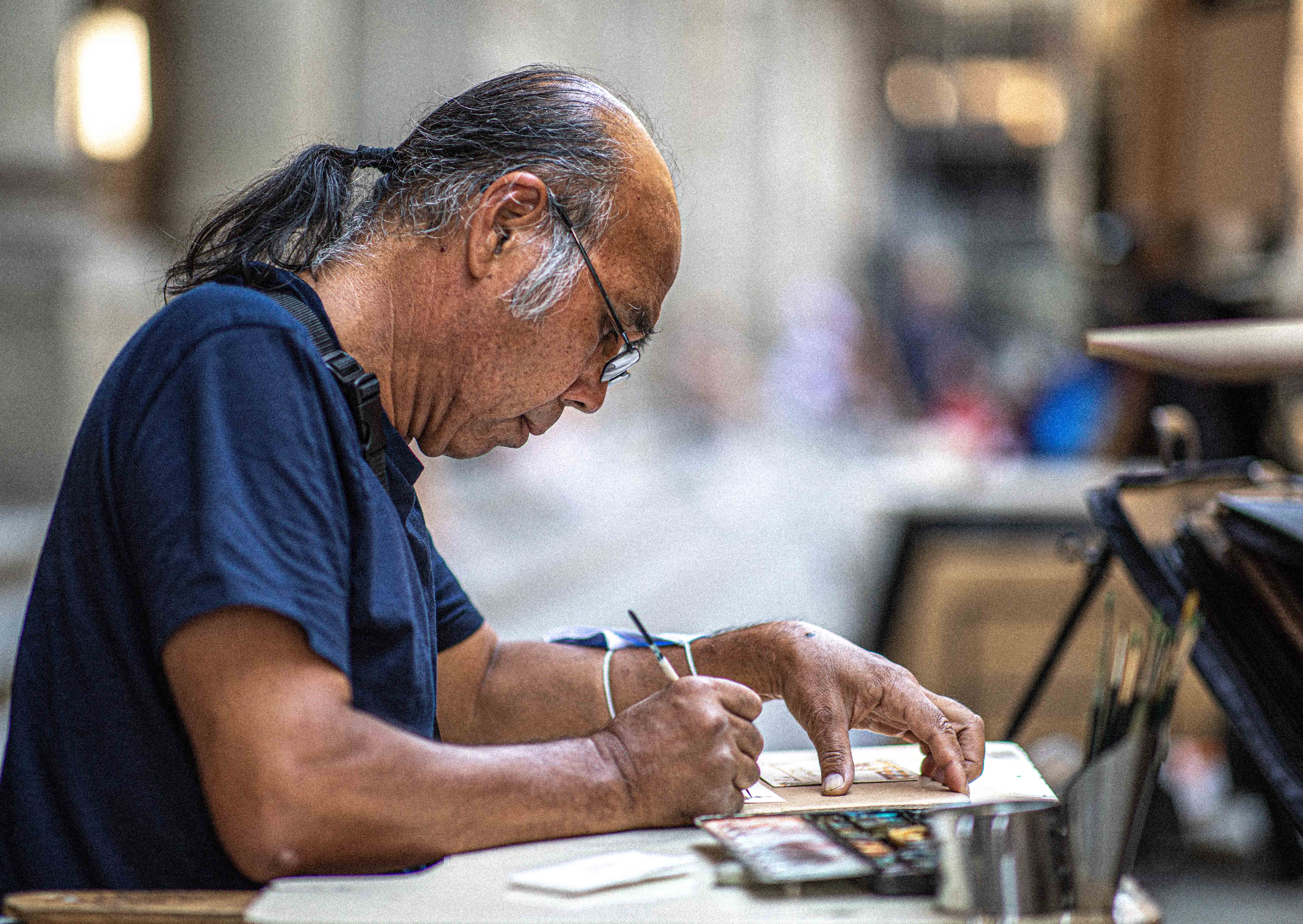
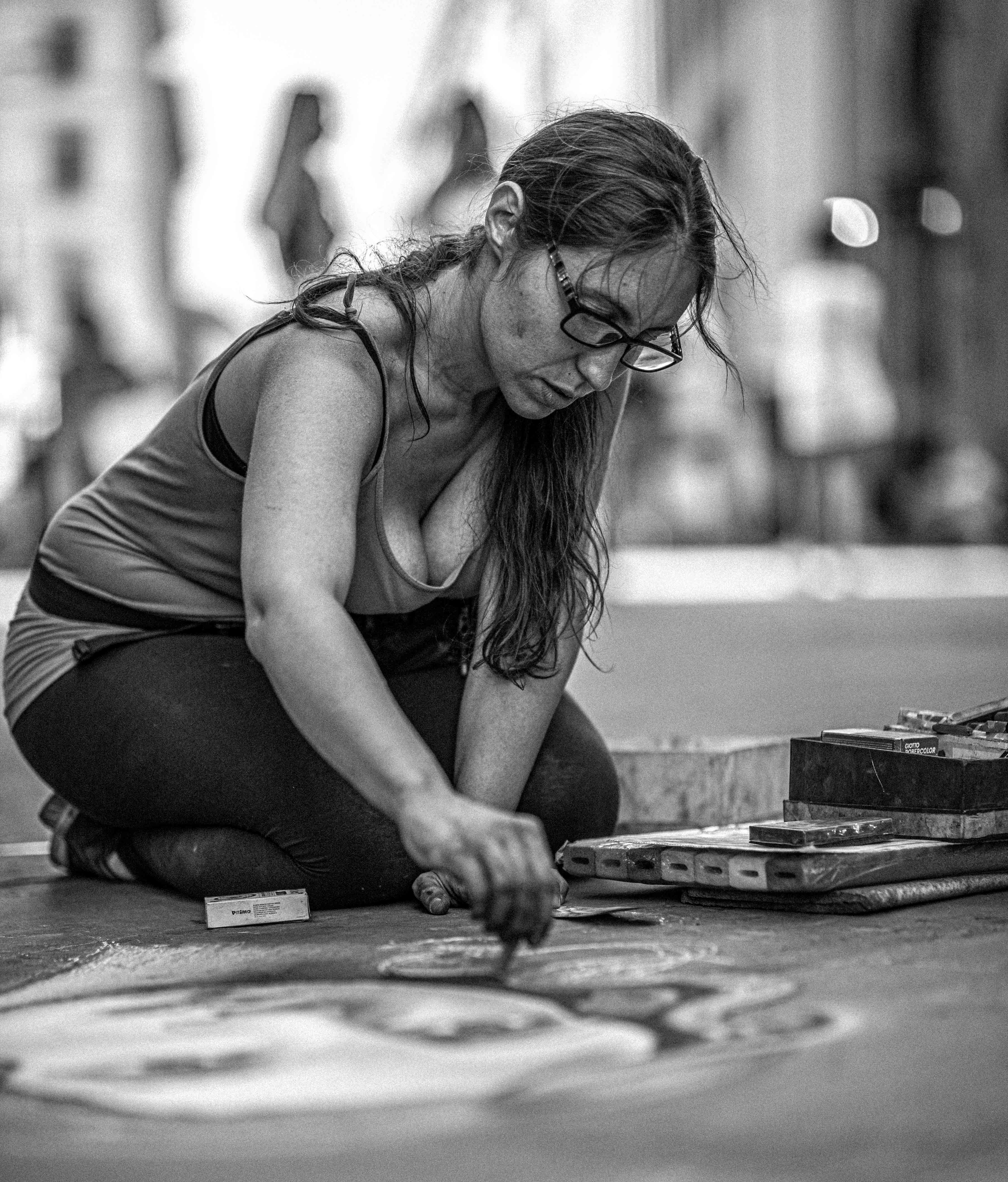
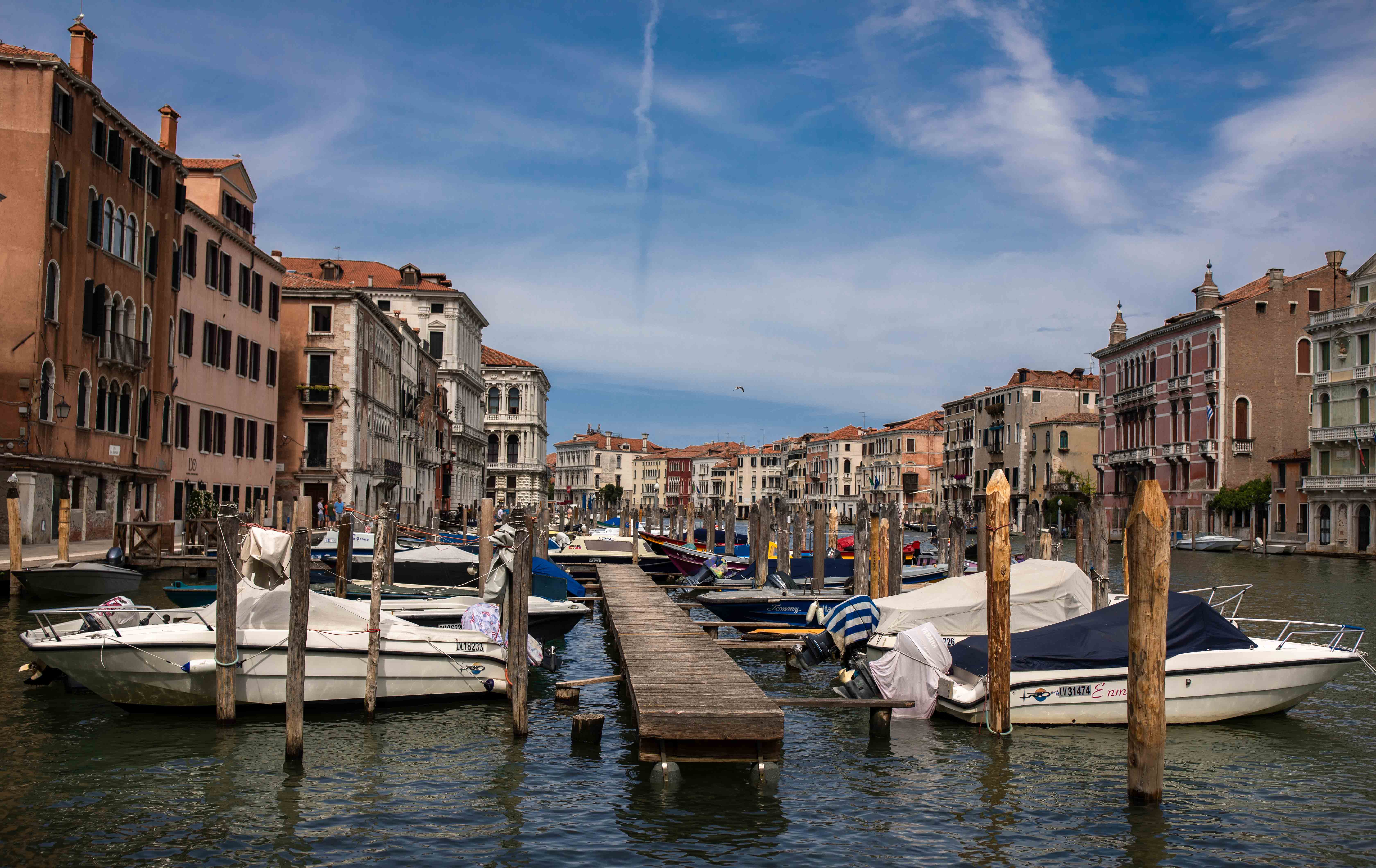
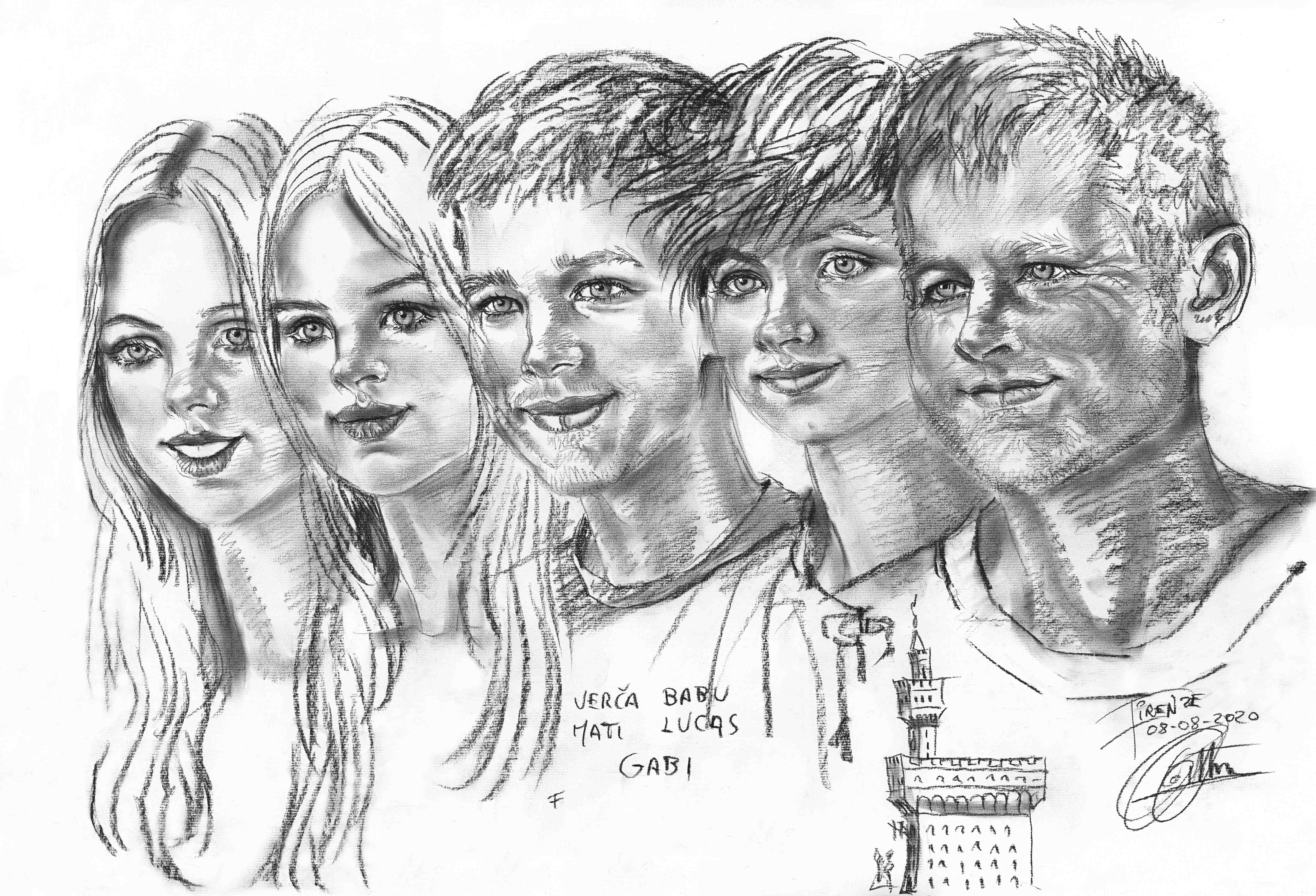
20.Aug.1 – Venice · Gondolier (Ponte della Paglia) 20.Aug.2 – Venice · wolf 20.Aug.10 – Perugia · Spanish dreadlocks girl (Parco di Sant’Anna) 20.Aug.2 – Venice · canal 20.Aug.12 – Spello · street 20.Aug.12 – Perugia · street (Via Appia) 20.Aug.8 – Florence · Hiko Nagahama (Estatua de S. Antonino) 20.Aug.8 – Florence · artist 20.Aug.2 – Venice · Mathilda & friend (cafe) 20.Aug.2 – Venice · dock (fish market) 20.Aug.1 – Venice · Gondoliers (playing cards) 20.Aug.8 – Florence · Veronika, Barbora Žiláková, Gabriel, Lucas & Matias Dusil (Prenze, portrait)
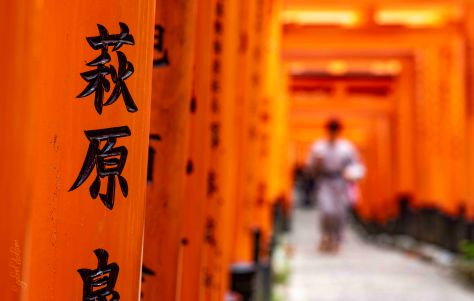
Travel Photography
In case you missed my other travel posts, you can hyperlink to them here:
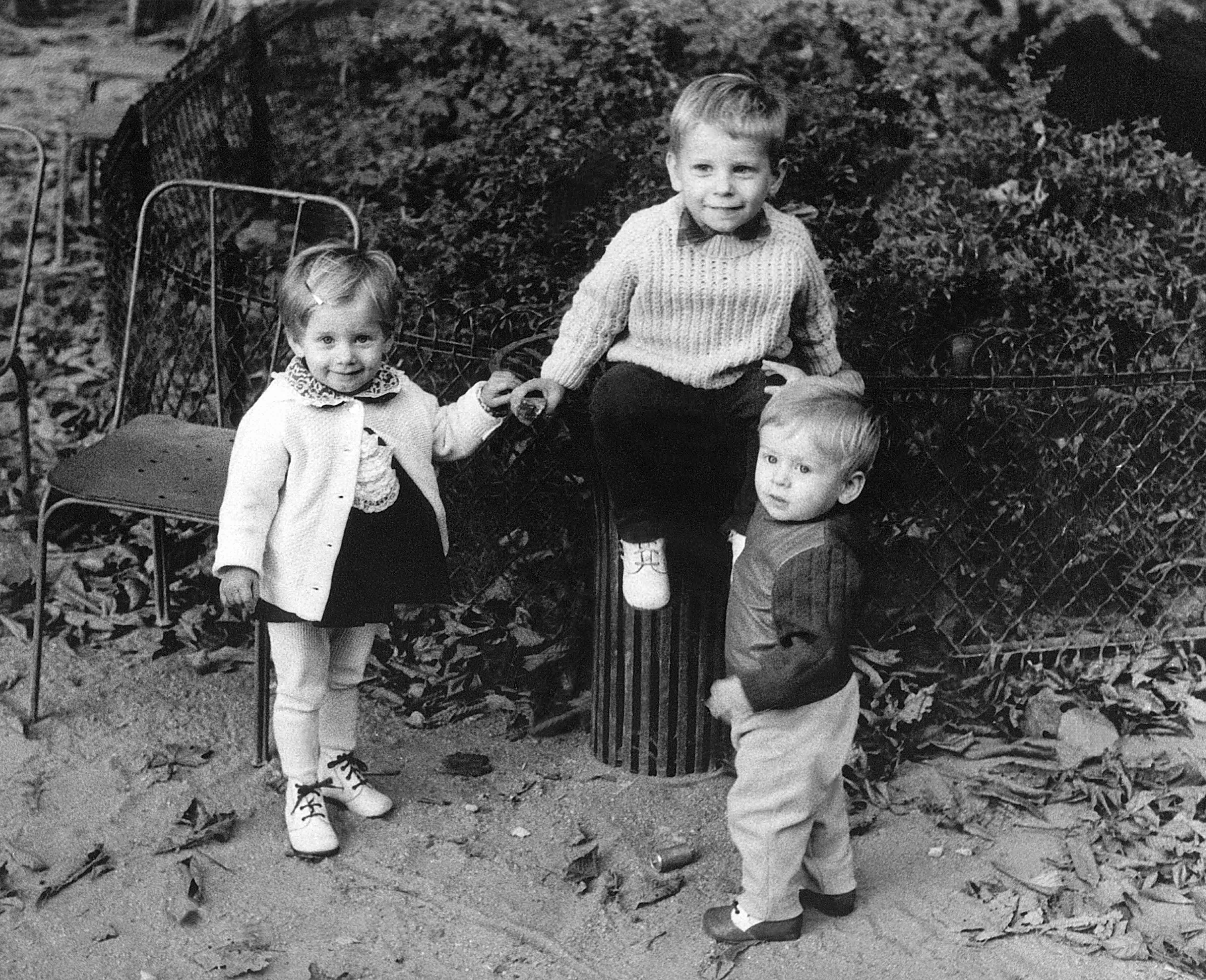
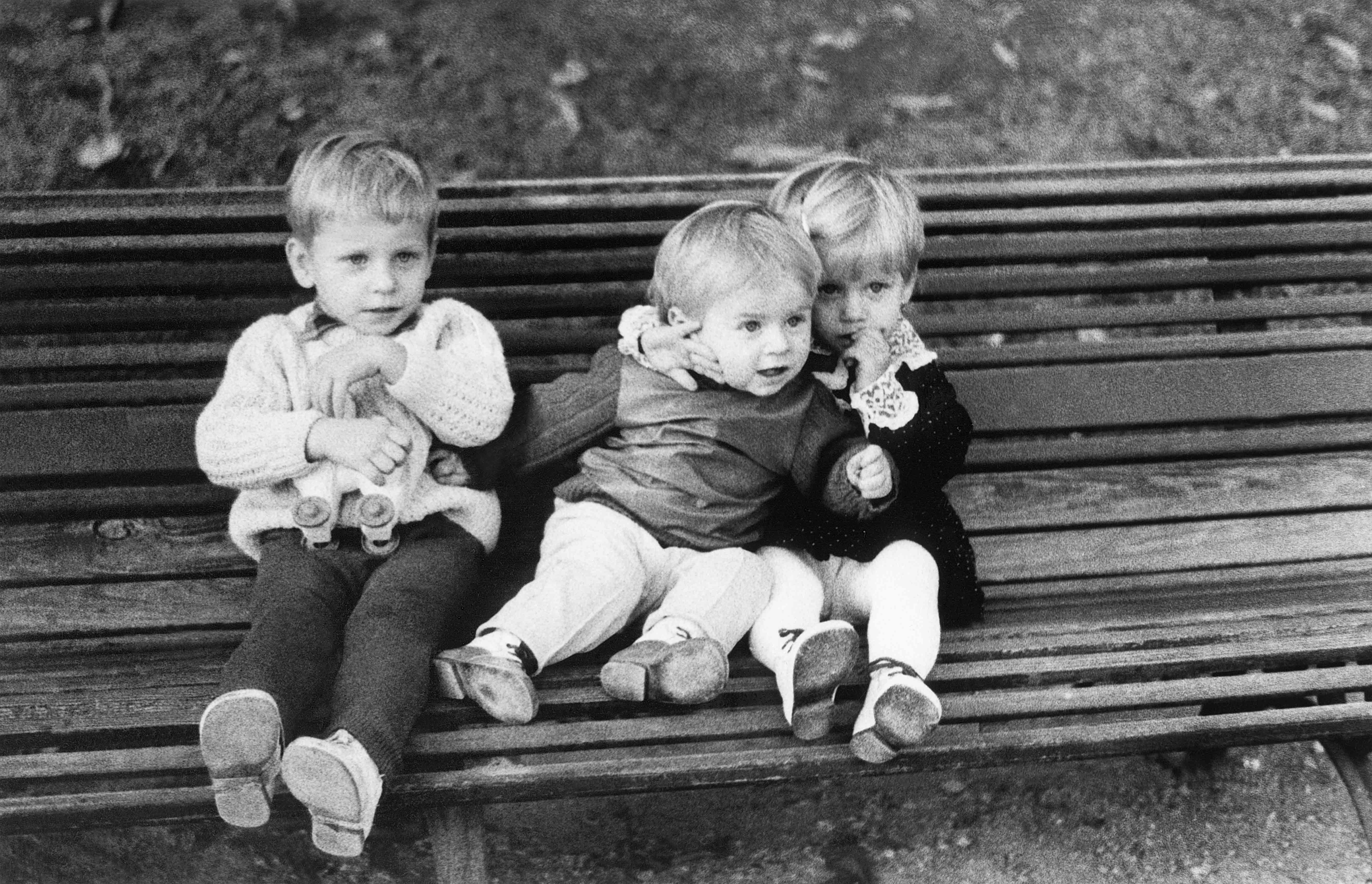
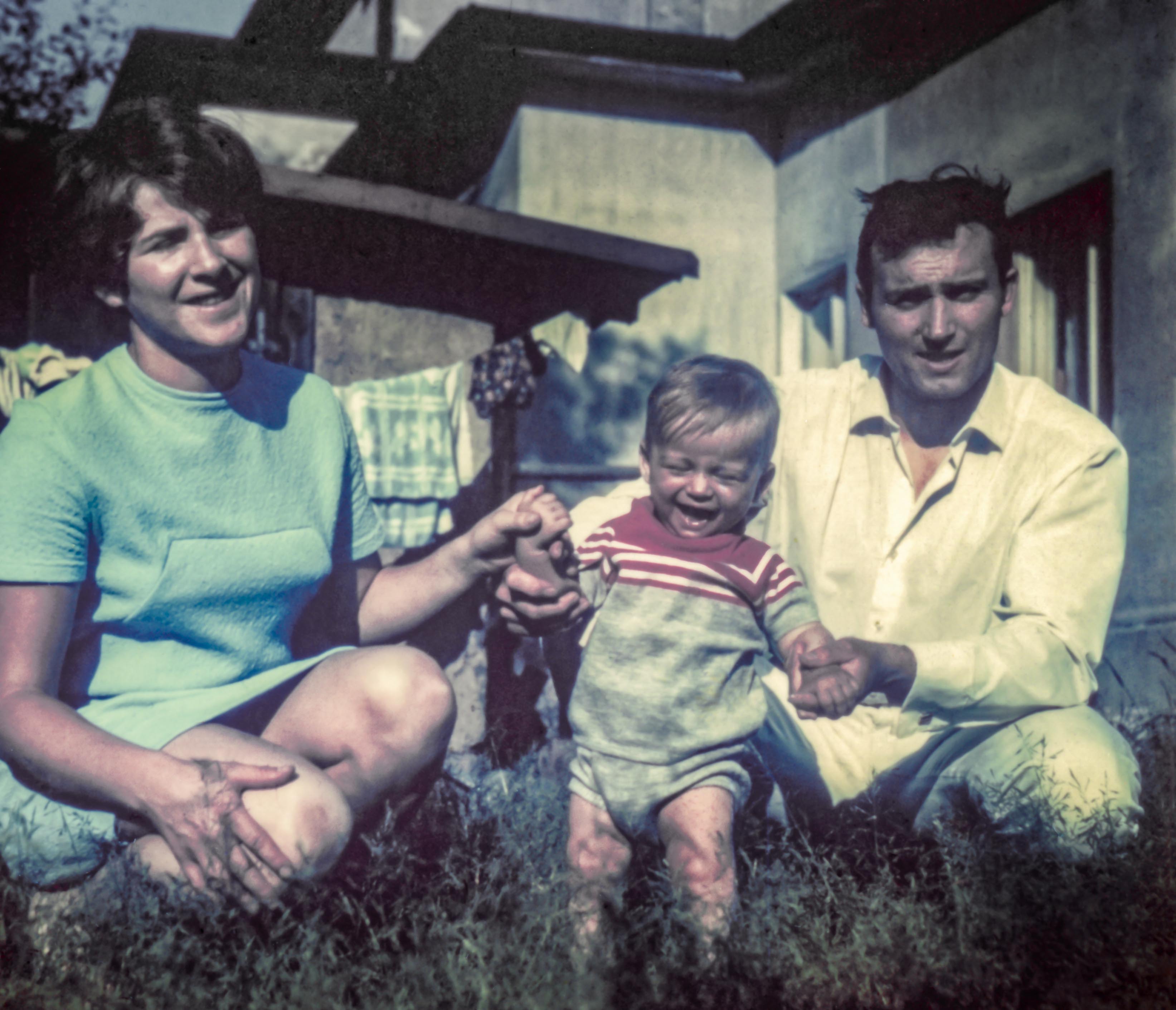
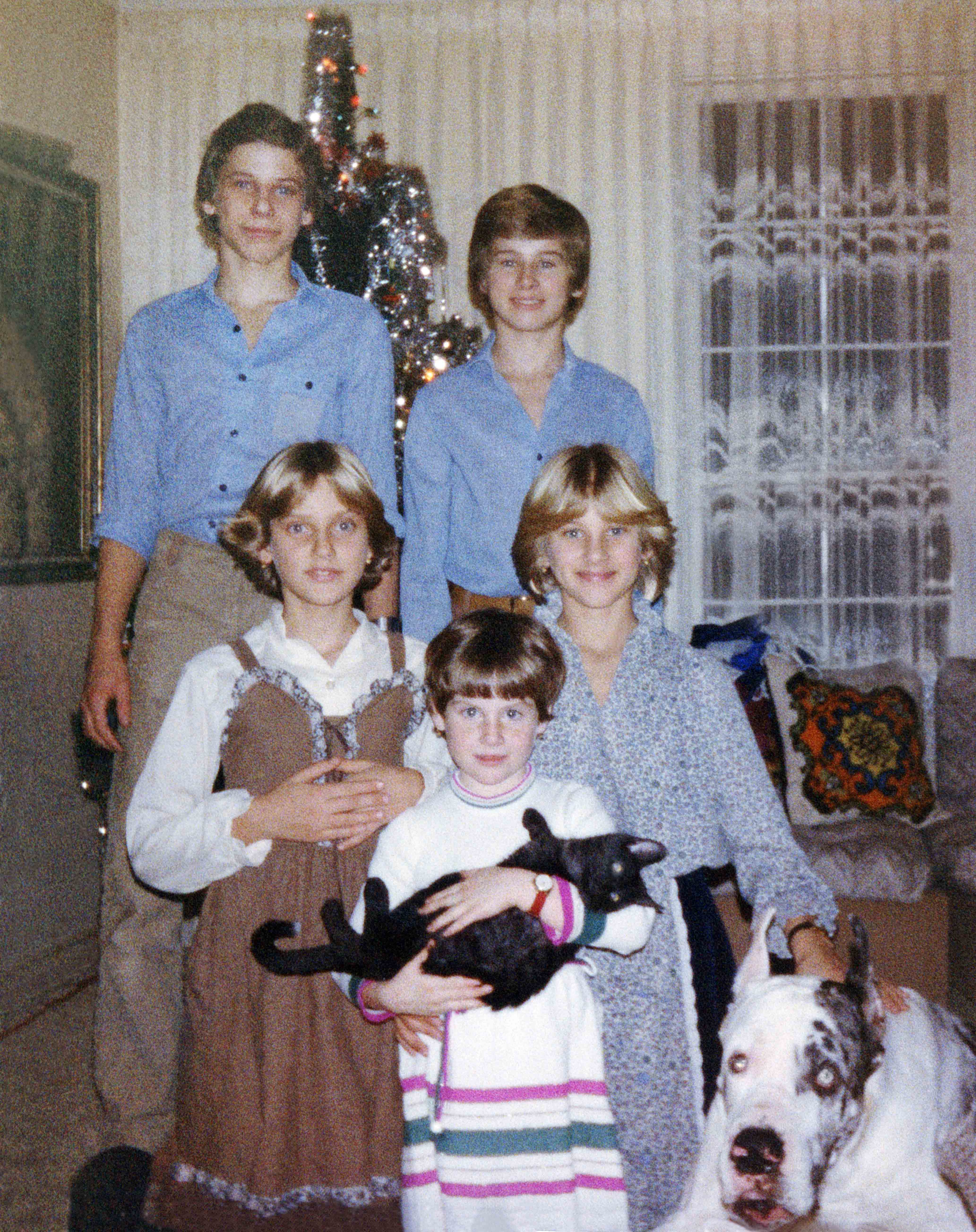
• Today commemorates the 50th anniversary of our family’s emigration from former Czechoslovakia. It would also have been my dad’s 77th birthday. On this day in 1969, over a year had passed following the Soviet Union and members of the Warsaw Pact‘s illegal occupation of Czechoslovakia. Our departure would have been immediately after the invasion, but with my mother being eight months pregnant, my parents felt it would be safer to leave a year later.
• Our departure was shrouded in tremendous secrecy, with only the most trusted members of our family and friends knowing our plans. The local authorities could have found any minor excuse to prevent us from leaving the country. For this reason, I prefer to categorize our departure as an “escape”, even though we legally left the country with all the necessary paperwork.
• I want to thank my mother and father for their tremendous bravery and steadfast convictions in believing that we would have a better life in the West. Our departure may be the obvious choice in hindsight, but at the time, it could have been argued that there was no clear winner between the political doctrines of capitalism and communism. Two more decades were necessary to prove which was better. The collapse of the iron curtain and the end of the cold war at the end of the ’80s put a definitive stamp on that debate.
• When I was eight years old my father was driving me to our animal hospital where he worked as a veterinarian. During our drive, Taci decided to explain communism to me. I vividly remember him articulating the horrible regime from which we escaped, with a heavy heart. In these few minutes, he created a hypothetical analogy for my young mind to understand – “If Canada were to become a communist state, then our veterinary business and our house would be taken from us. In fact, every citizen in the country would not be allowed to own any business or property – the government would take ownership of everything. Even at eight years old this resonated with me. More importantly, I recall the sadness in his heart, while explaining this to me, because he had to leave behind many friends and family who continued under the repressive and totalitarian communist regime. As he took the final turn to the animal hospital he concluded by saying, “Unfortunately I will probably not live long enough to see the collapse of communism, but with any luck, maybe you will see it happen”. Both came to pass.
If you are interested in other posts of our emigration you can find their links here:
The full “Yin ☯ Yang of Fighting Science” series is now available online, in its entirety. We hope you had a chance to see many of the posts over the five months they were published. If not, then here is the entire series with hyperlinks, so that you can read those you missed. Enjoy!
Martial Arts • Fighting Science • bonus • Yin ☯ Yang
Each instructor has a different teaching methodology. As with any profession, some are good, and others are not. It may be that they were a great fighter, but aren’t good teachers. Or the reverse – they weren’t a great fighter, but are excellent teachers. A good instructor has the ability to convert an intuitive technique into instructions that students can clearly understand. If the instructor was a champion and has proven skills in combat, this holds weight against a bad communicator, even if they’re not great at knowledge transfer. Sometimes a student needs to recognize a teacher’s limitations – this may include a language or cultural barrier – and navigate themselves to the most effective synergy between teaching and learning.
Learning requires eternal humility and sidelined egos. Even teachers are forever students.
A student once said to me, “I was told in boxing that I need to look at the chin of the opponent, so why are you telling me to look at the center of the chest?” The reason is that in boxing the threat is only the opponent’s fists. In kickboxing, you need to be concerned with kicks as well. So peripheral vision becomes an additional asset to “see” both the hands and the feet. By focusing on the opponent’s chest, this represents a good ‘compromise’ to monitor all four attack vectors.
Another student asked, “How do I deal with an instructor who is teaching me a technique that I know is wrong?” My response in these situations is to explain that respect overrules correctness. I prefer that students always listen to the instructor. To look at a new technique as a dance. Even if you feel it’s wrong, try it anyway. Has your body moved that way before? Give your body a chance to try a new movement, and look at it as a challenge for that lesson. Afterward, look for a better trainer. Certainly, if the instructor is not knowledgeable or doesn’t have the ability to incrementally improve on the student’s abilities, then that club is a bad fit. The challenge is to find a teacher that can take each student to an improved skill level.
Students entering a gym for the first time is tied to a certain level of expectation. Does the student want to learn a new martial art? Do they want to learn how to fight? Is their goal to learn self-defense, and defend themselves in conflict? Do they want to learn self-discipline? Or is it simply to get into shape? Any of the above reasons could stand-alone, or have a combined motivation.
At a grassroots level, combat training is a form of self-torture – Repeatedly tormenting the body but wanting more – It’s not for the faint of heart.
I tell new students before their first practice, “One of two things will happen once this session is over; You’ll say to yourself, ‘that was one of the most brutal training sessions I’ve ever done, and I never do this again.’ or, ‘That was one of the most brutal training sessions I have ever done, but for some reason, I want to do it over and over again.’ Those are endorphins talking.
































































































































 Gabriel Dusil • Time Is Relentless