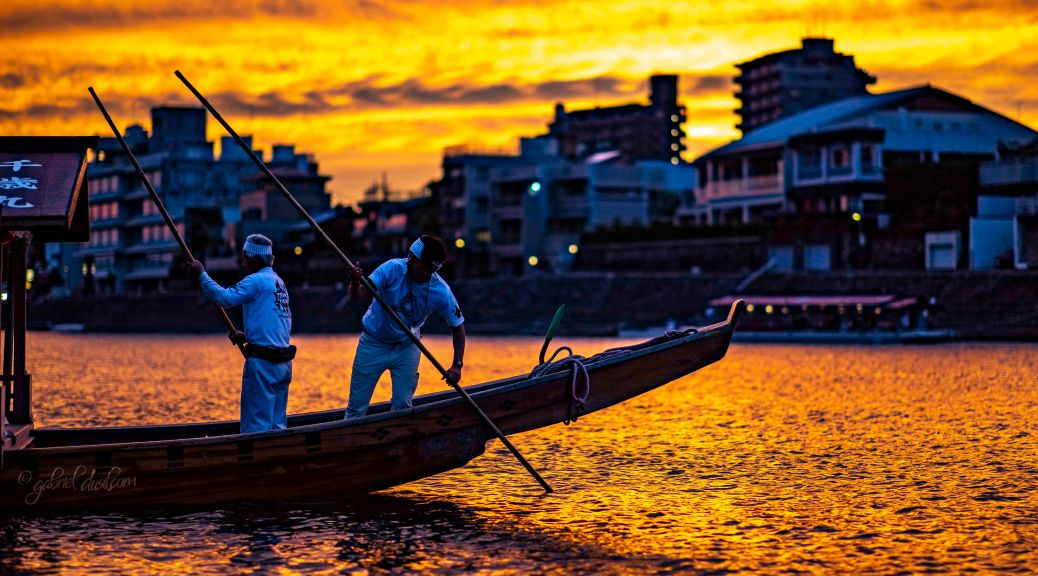
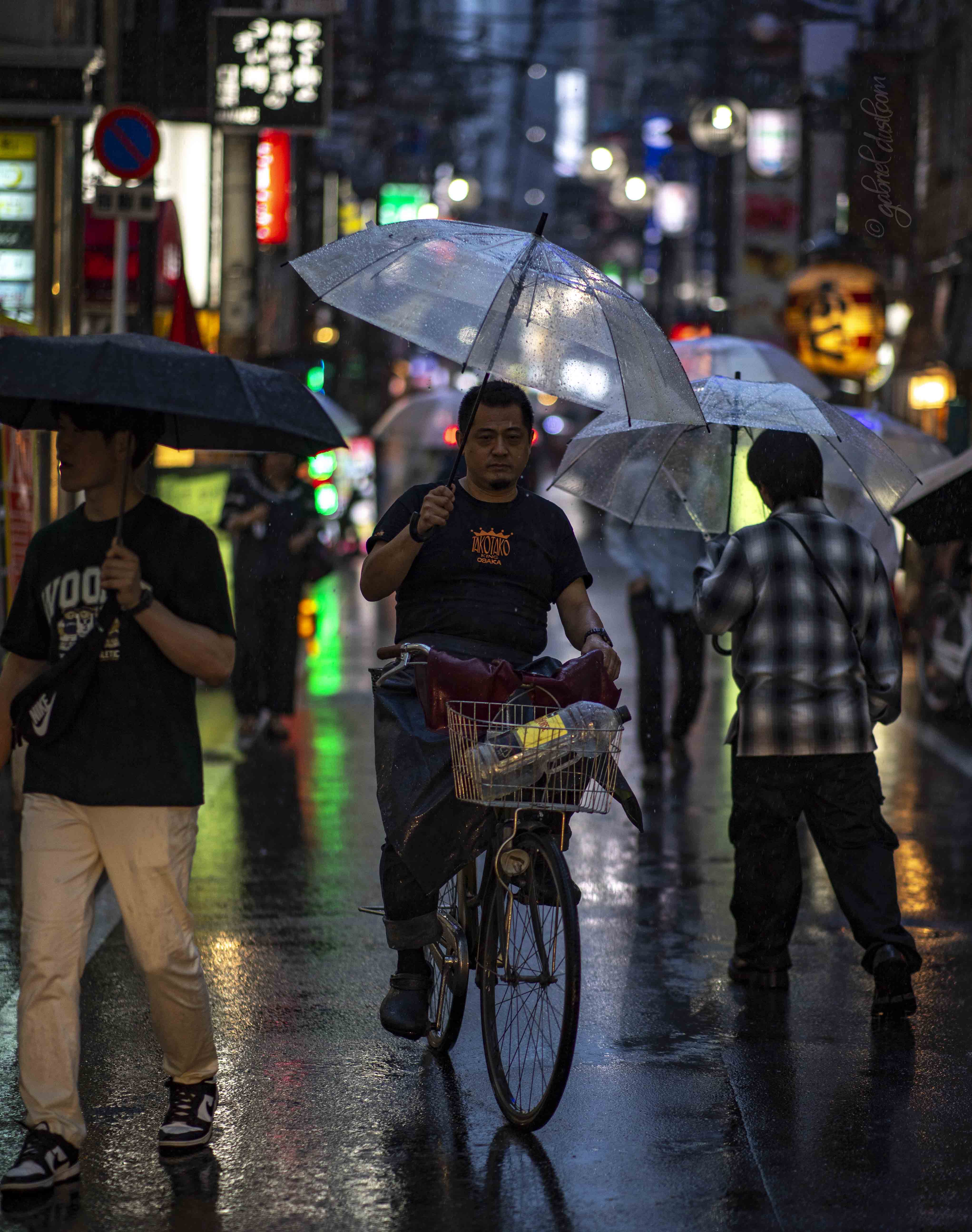
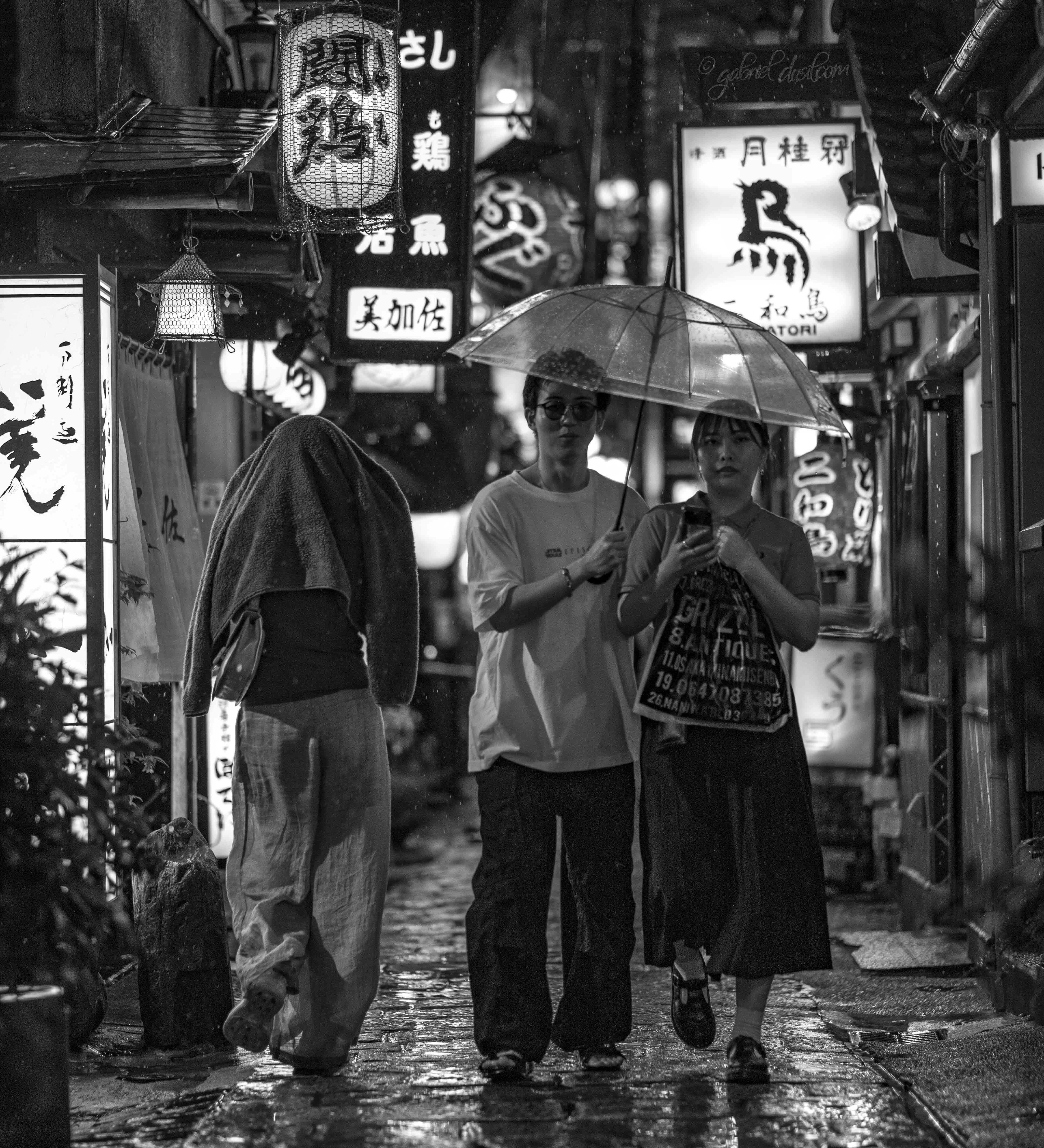
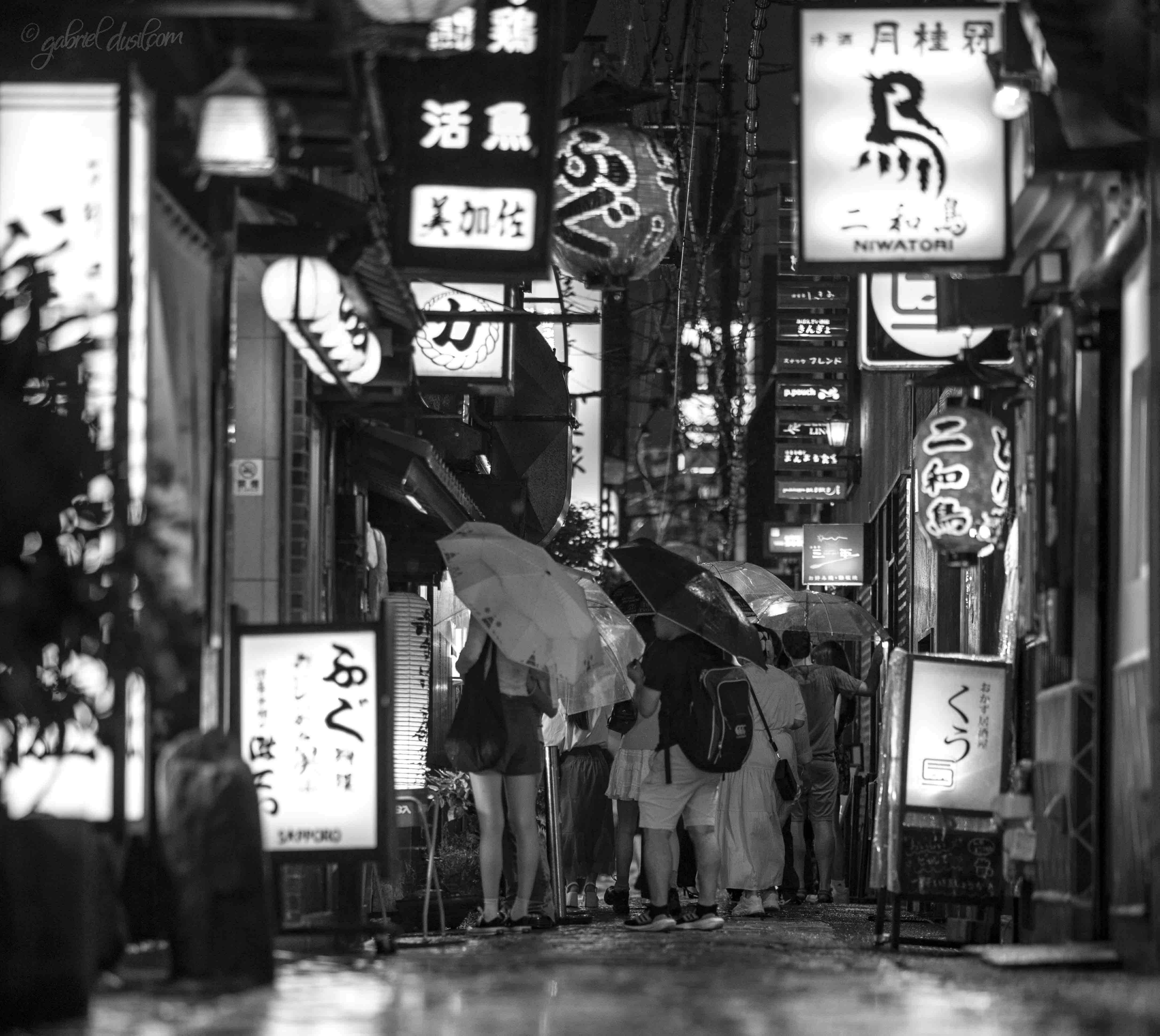
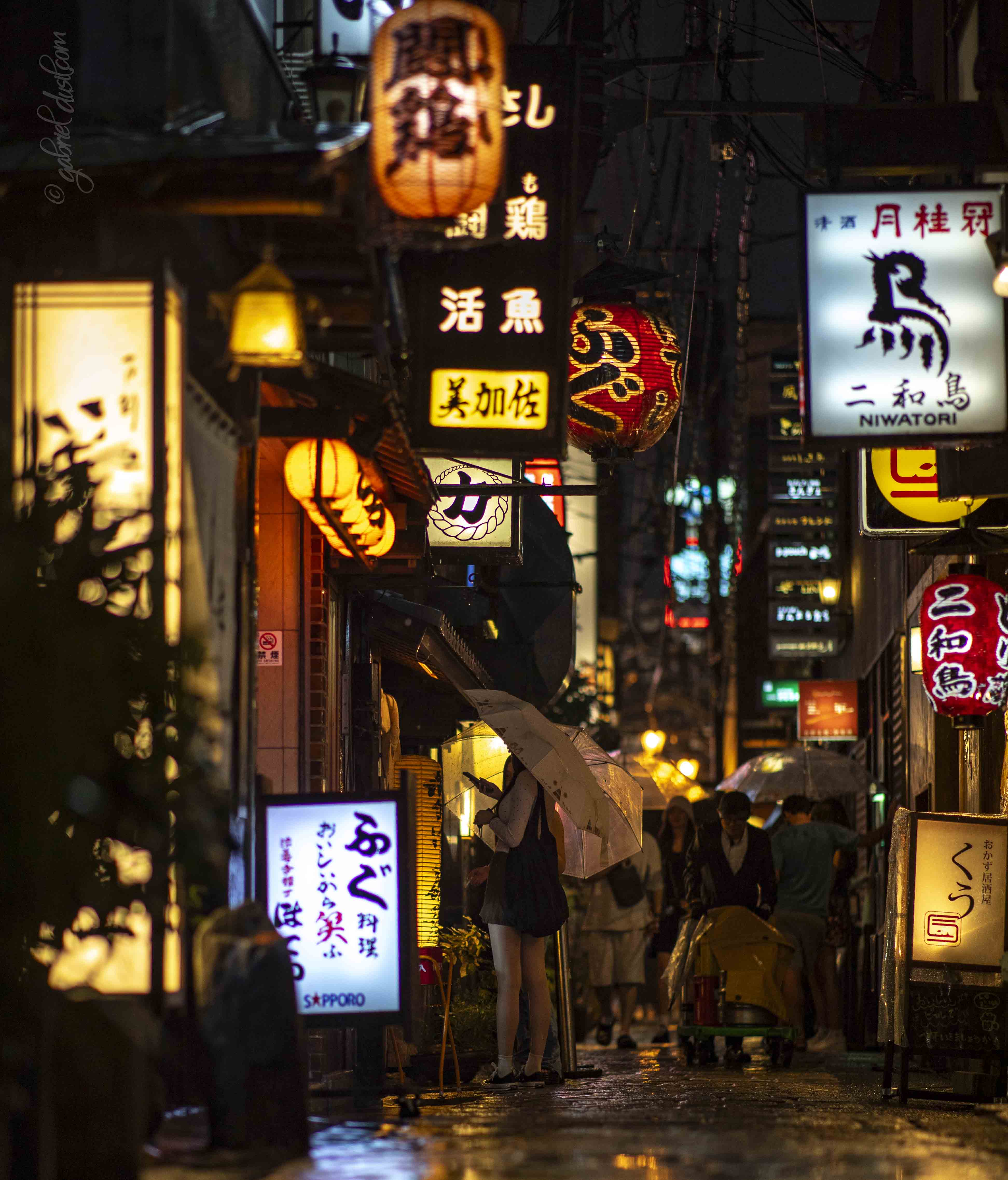
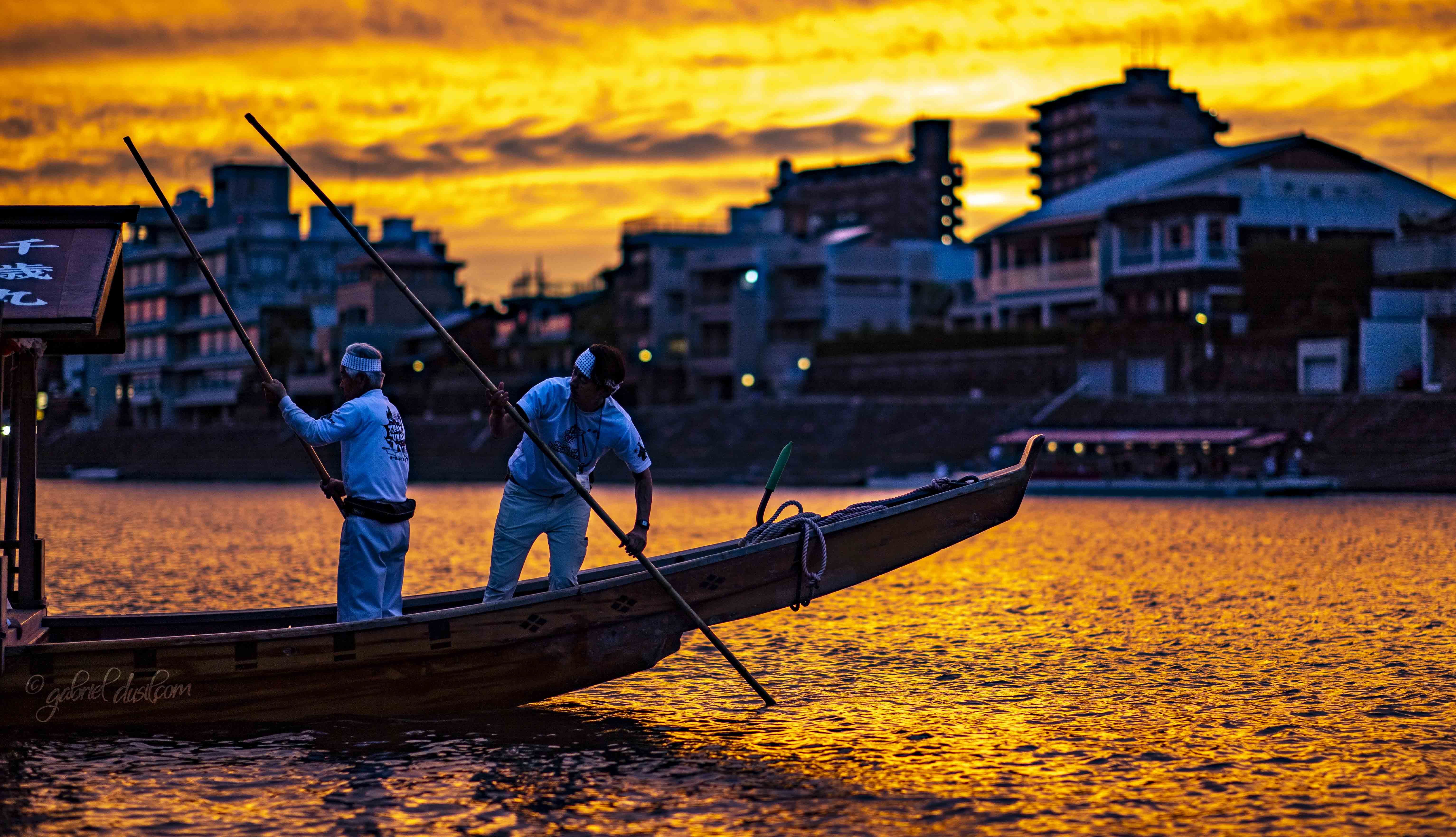
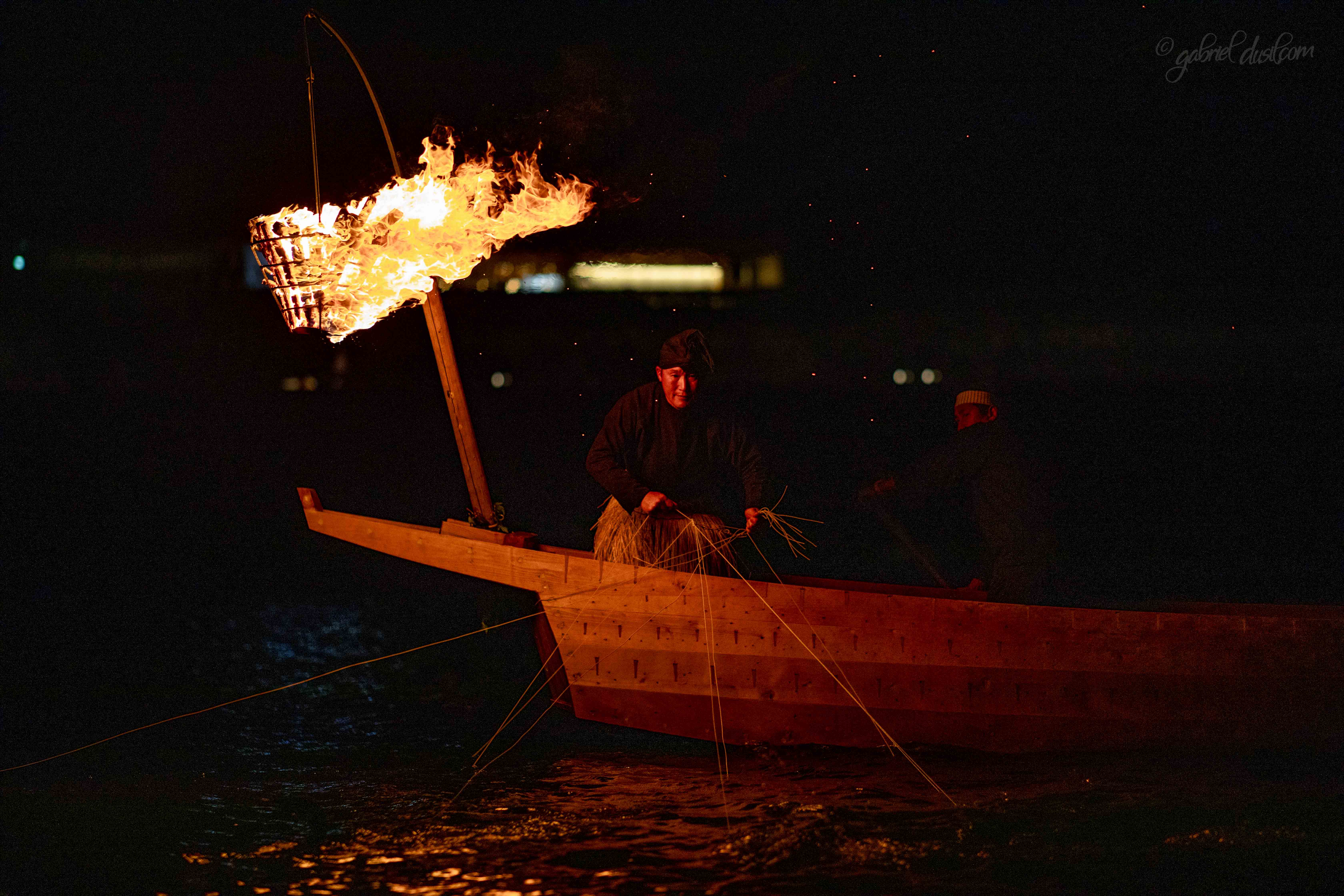
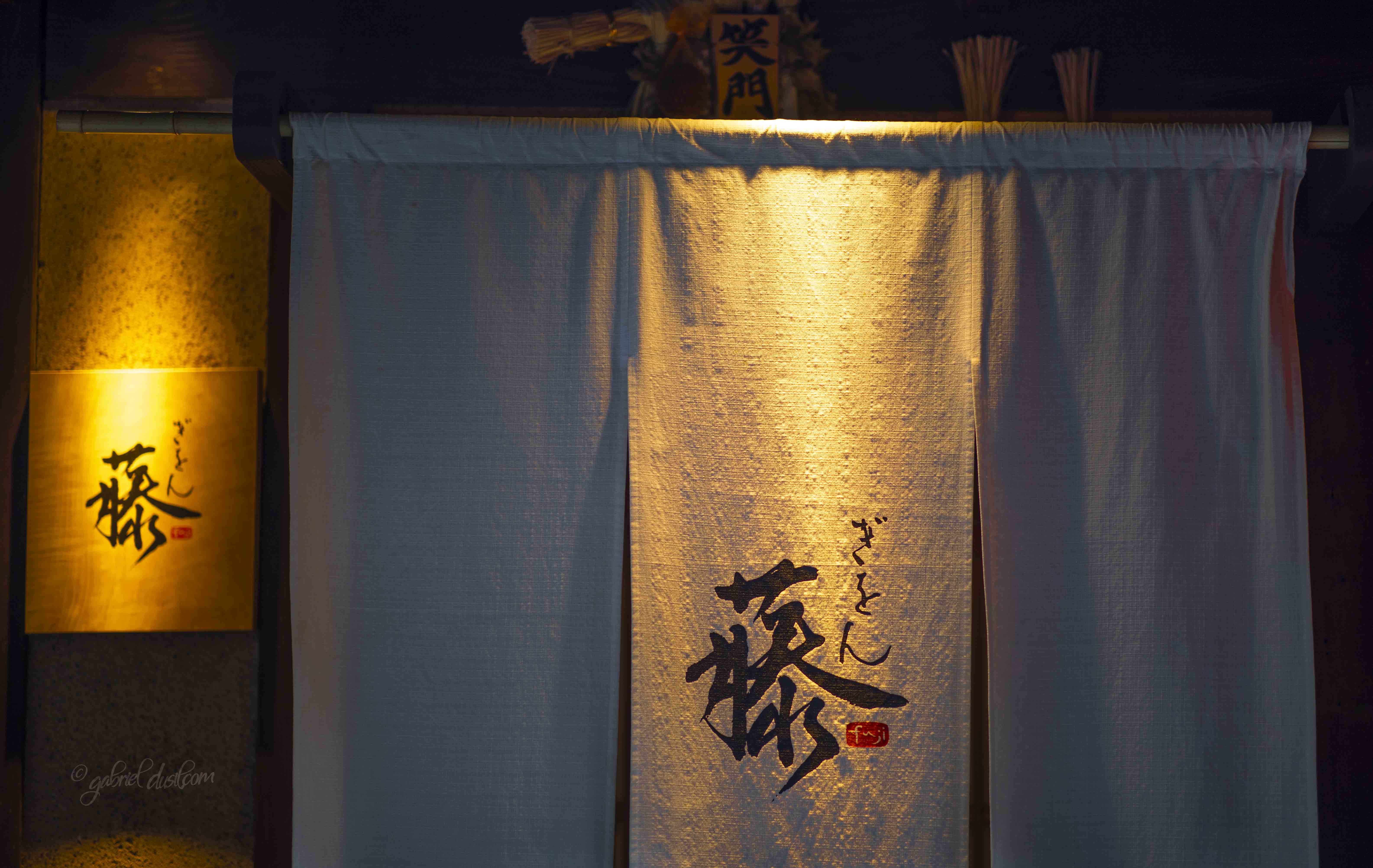
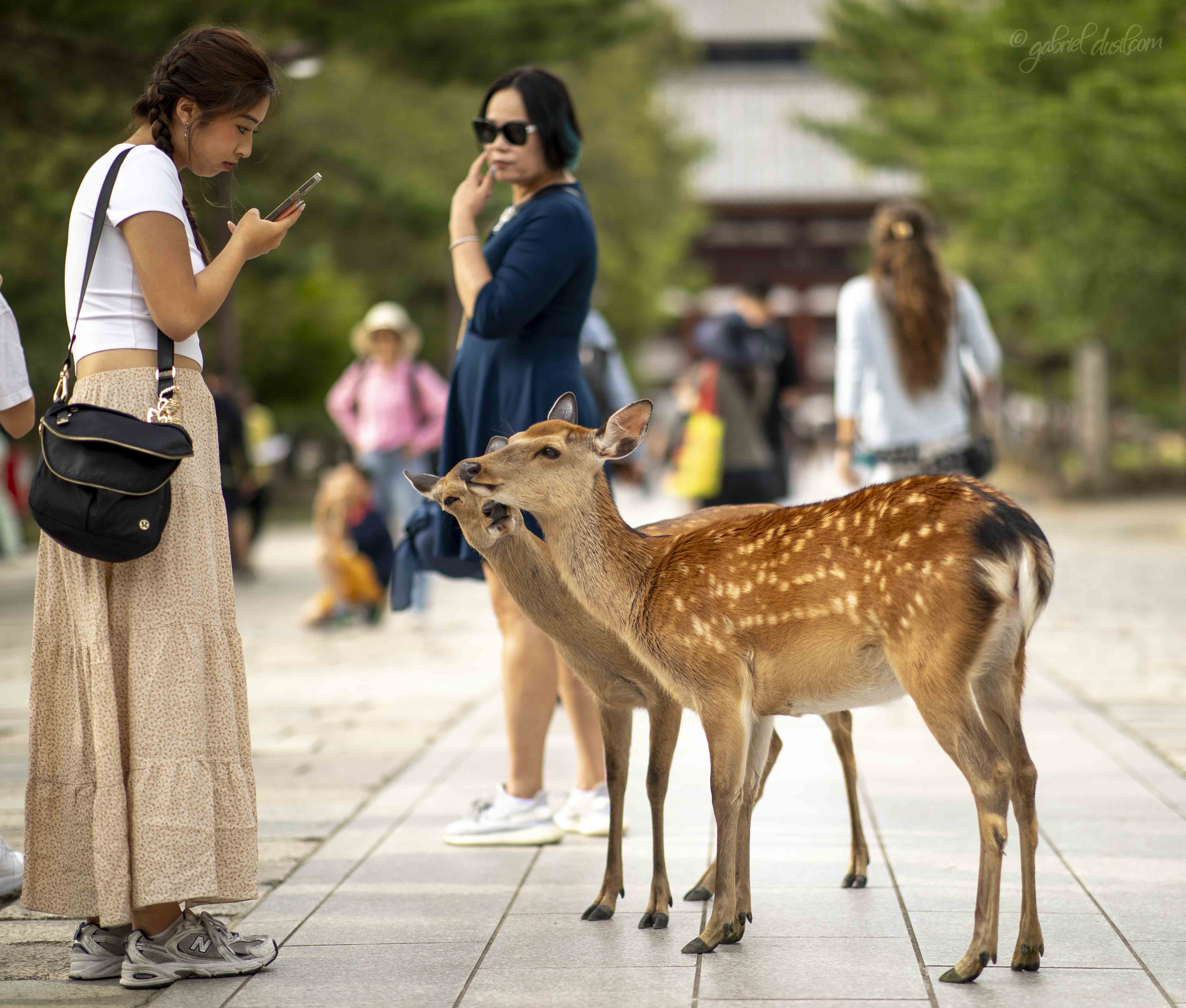
My three-week adventure to Japan took me to Tokyo, Kyoto, Osaka, Kobe, Nara, Gifu, Nagoya, and Lake Kawaguchi (Mount Fuji). 🏯Here are a few photos from Osaka and Cormorant Fishing in Gifu. 🥰
Travel Photography
In case you missed my other travel posts, you can hyperlink to them here:
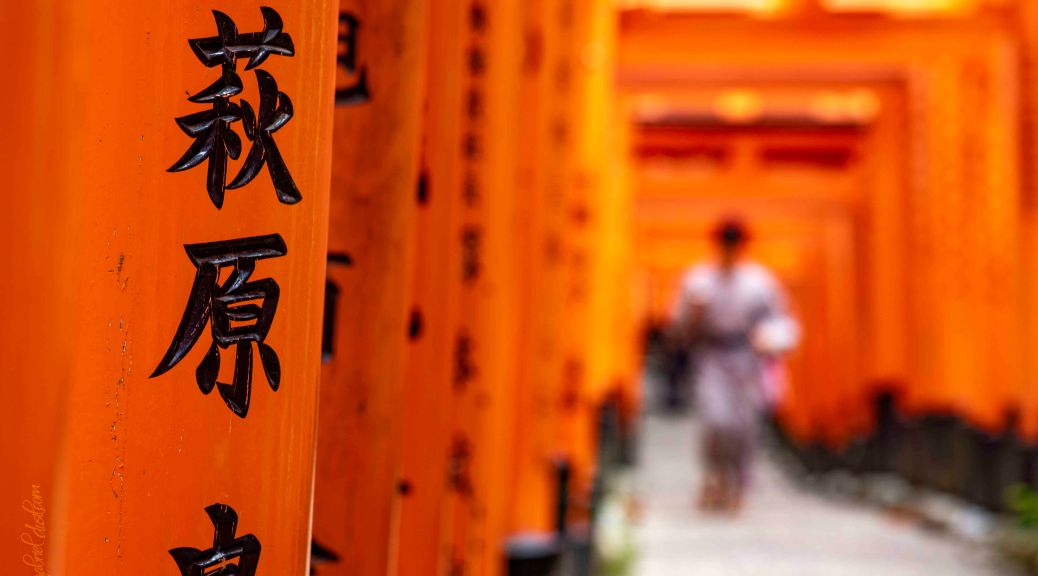
I checked off a bucket list item with a three-week adventure to Japan. 🏯This was my first solo trip ever! Japan is a fairy tale playing out in real-time. A truly magical place. Here are photos from Kyoto, Nara, and Lake Kawaguchi. 🥰
Travel Photography
In case you missed my other travel posts, you can hyperlink to them here:
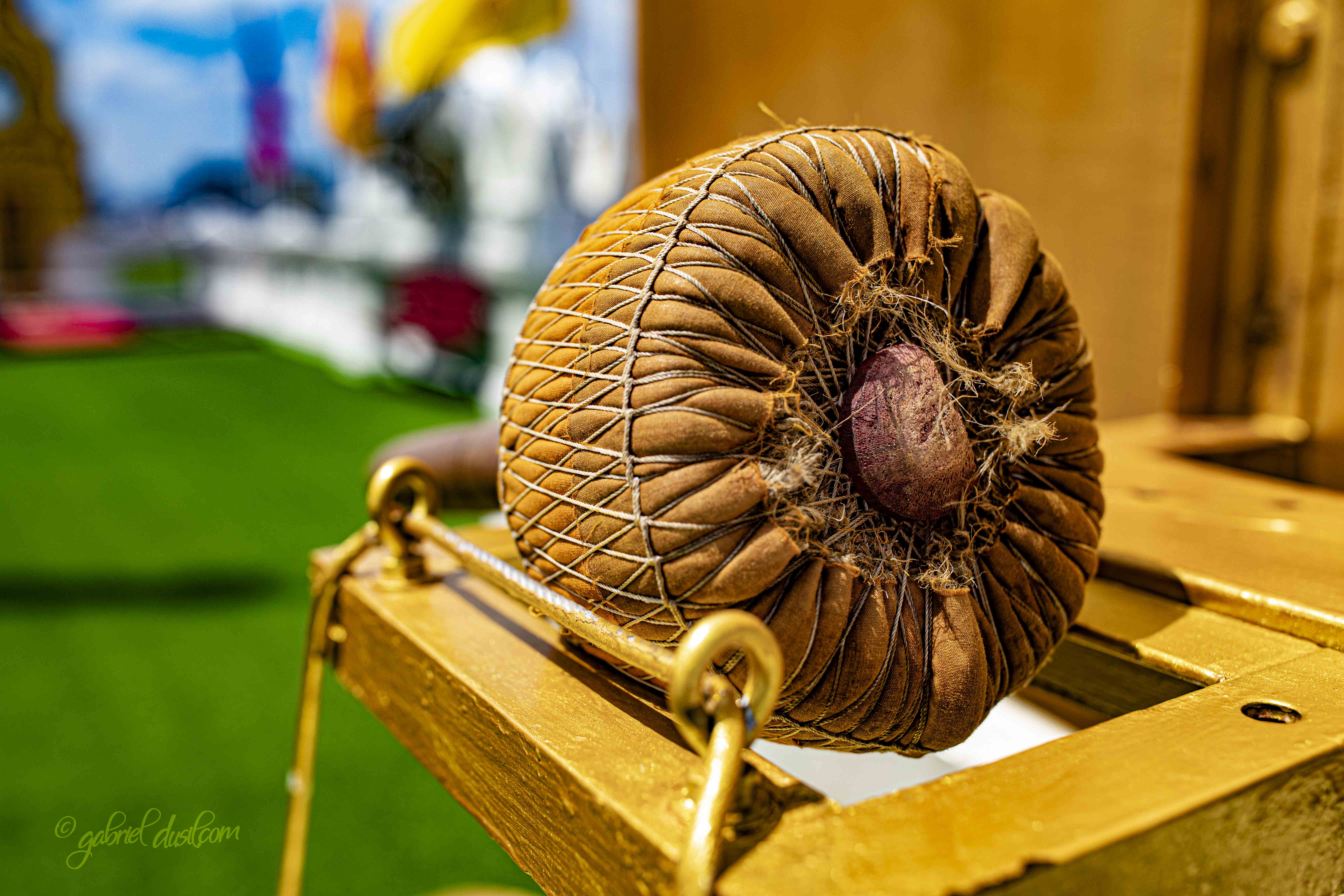
Welcome to my Golden Torus Mod™ Project. This was actually completed four years ago, but I only had time recently to post-produce this video.
This ended up being a 22-hour project and spanned twelve days. Enjoy!
This project is dedicated to my sister, Alica Dusil, and mother, Eva Dusil, who has been my lifelong inspiration to find my own creativity. Love you both forever 💘.
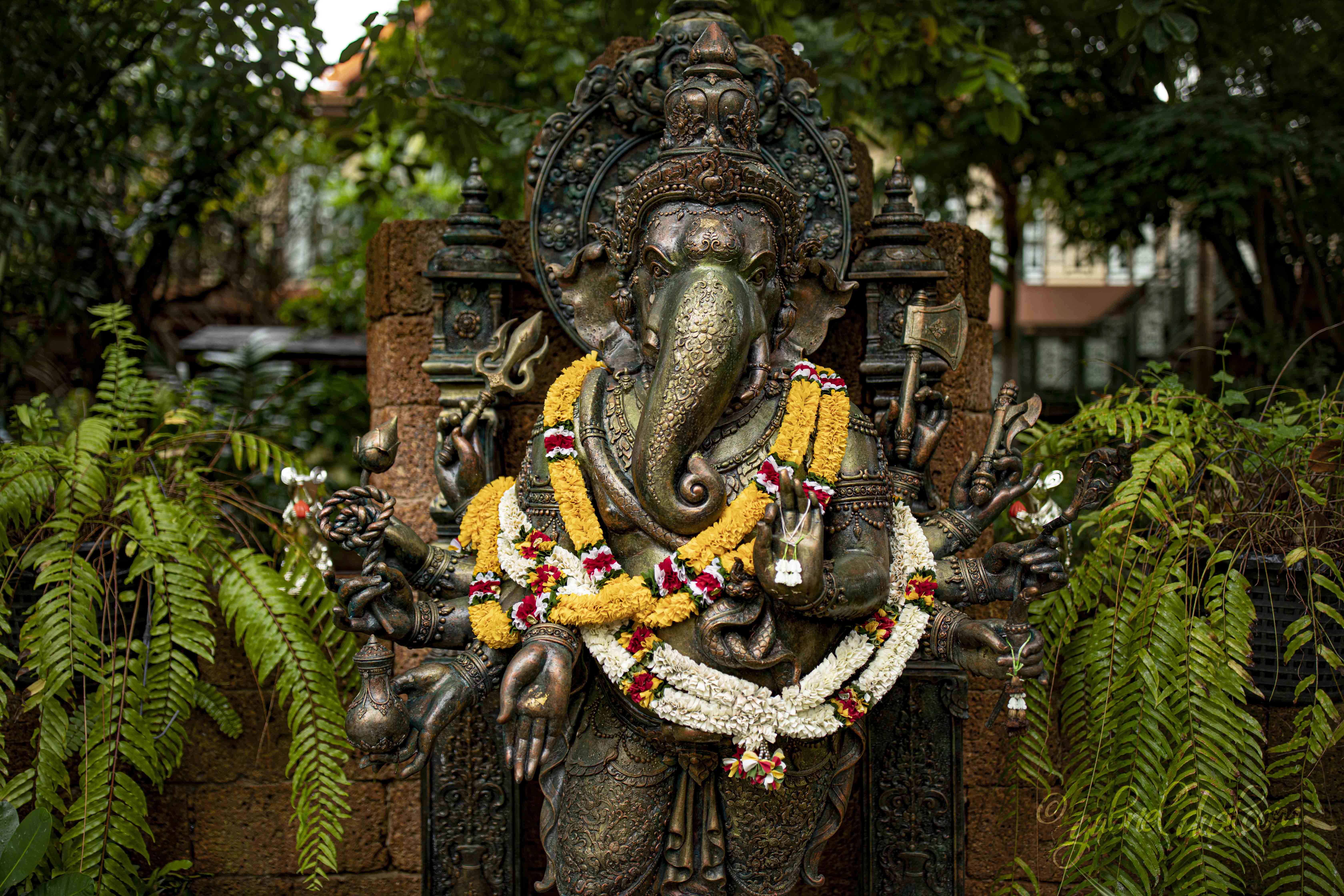
Our third major stop in Thailand was in Phetchaburi. This was a bit of an unusual pick, but I wanted my kids and me to experience a bit of the rural countryside outside of Bangkok. I was well worth the risk.
Travel Photography
In case you missed my other travel posts, you can hyperlink to them here:
Our next stop was Amphawa and its beautiful floating market. Most tourists visit Damnoen Saduak floating market but Amphawa is much better, and fewer tourists, This town was a refreshing change from the air and noise pollution of Bangkok.
Travel Photography
In case you missed my other travel posts, you can hyperlink to them here:
This summer I had a magical vacation with my children in Thailand. We visited four major cities and Airbnb’ed the whole trip. Our first seven days were in Bangkok. Then three nights in Amphawa, three in Phetchaburi, and our final leg were seven nights in Chiang Mai.
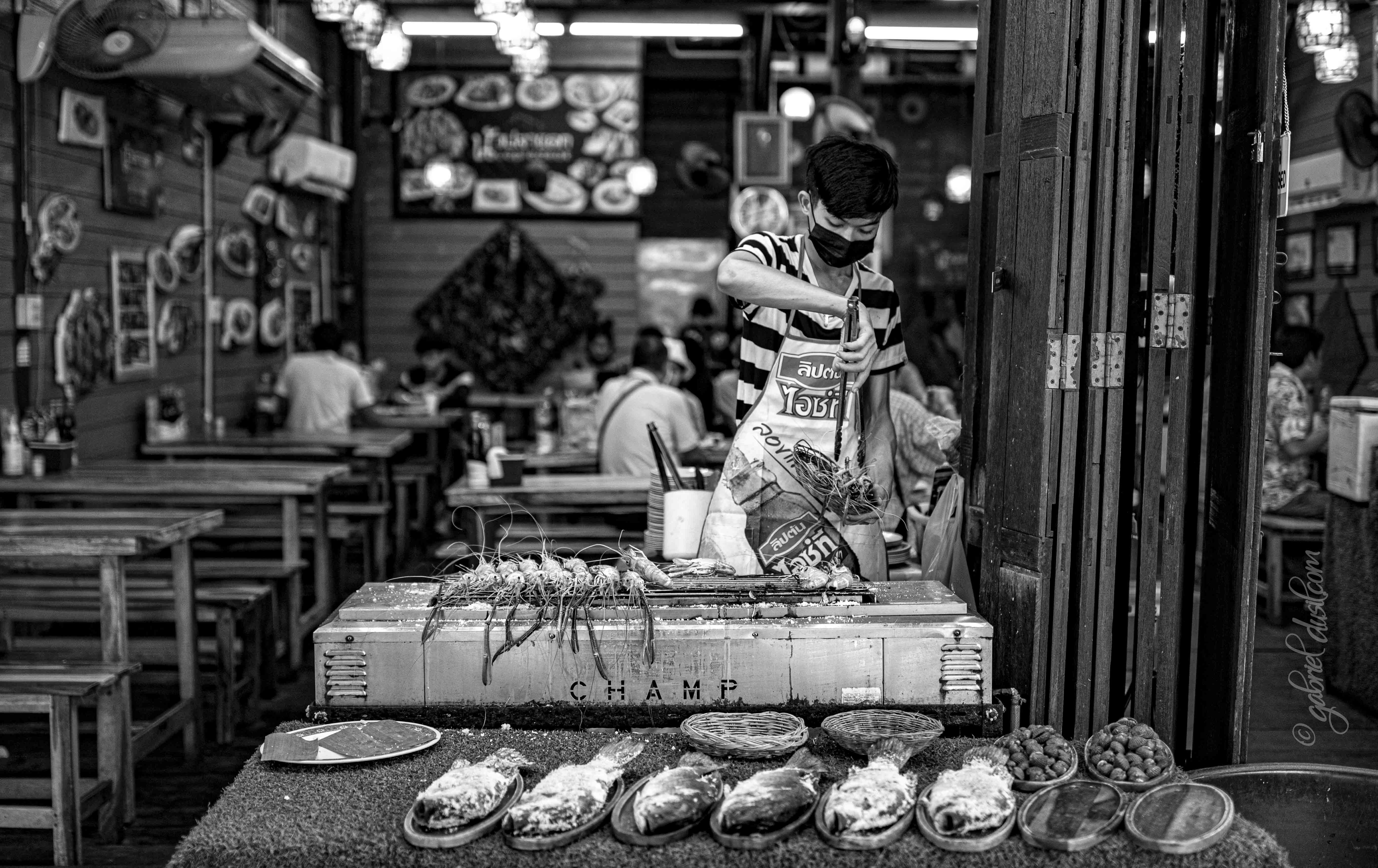
I managed to get air-conditioned accommodations at all our locations. This is definitely a requirement if you ever travel to Thailand in the summer. We journeyed throughout the country by bus, train, and a few Tuk Tuks for fun. Here are the first ten photos from Bangkok for your viewing pleasure.
Travel Photography
In case you missed my other travel posts, you can hyperlink to them here:
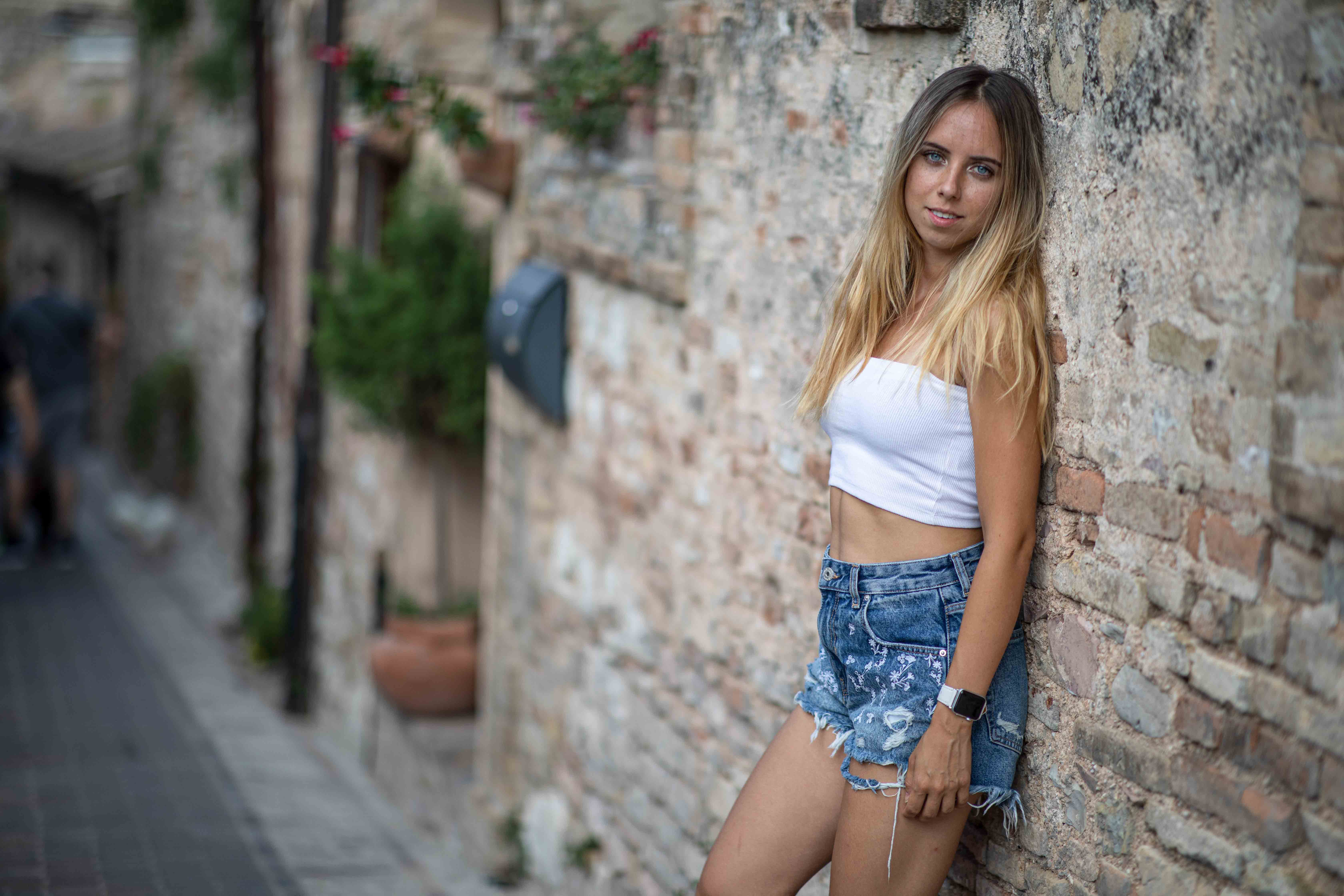
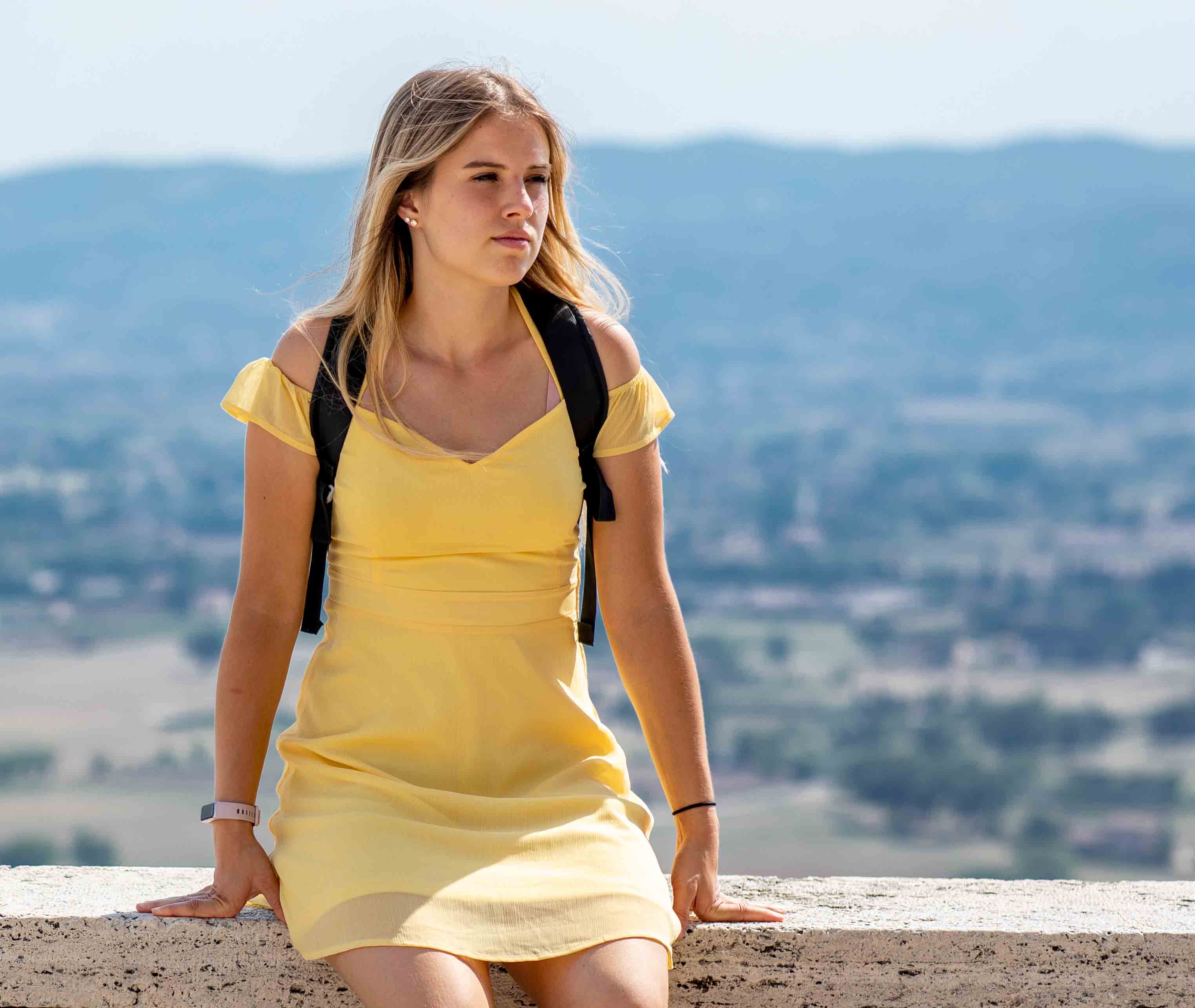
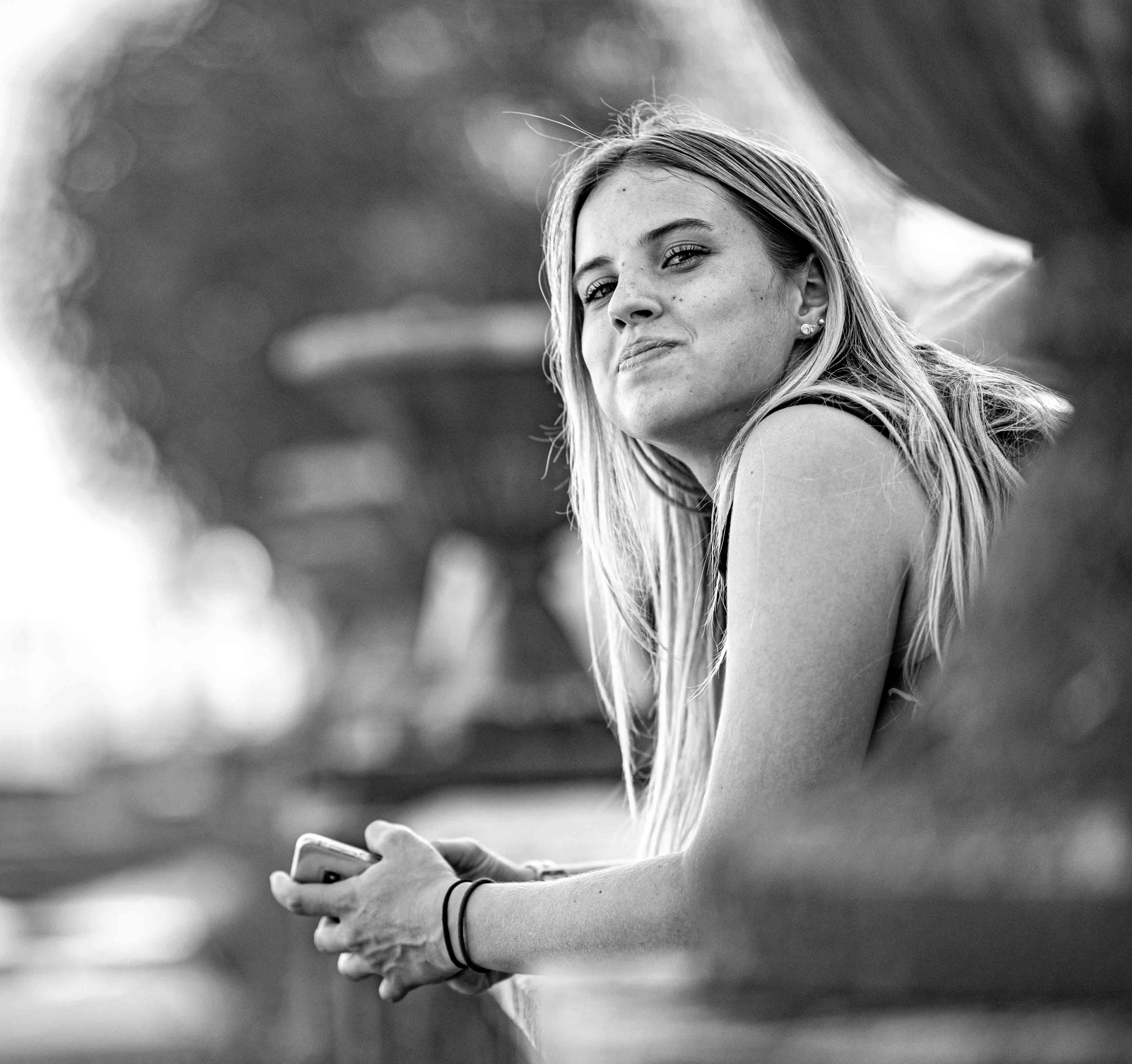
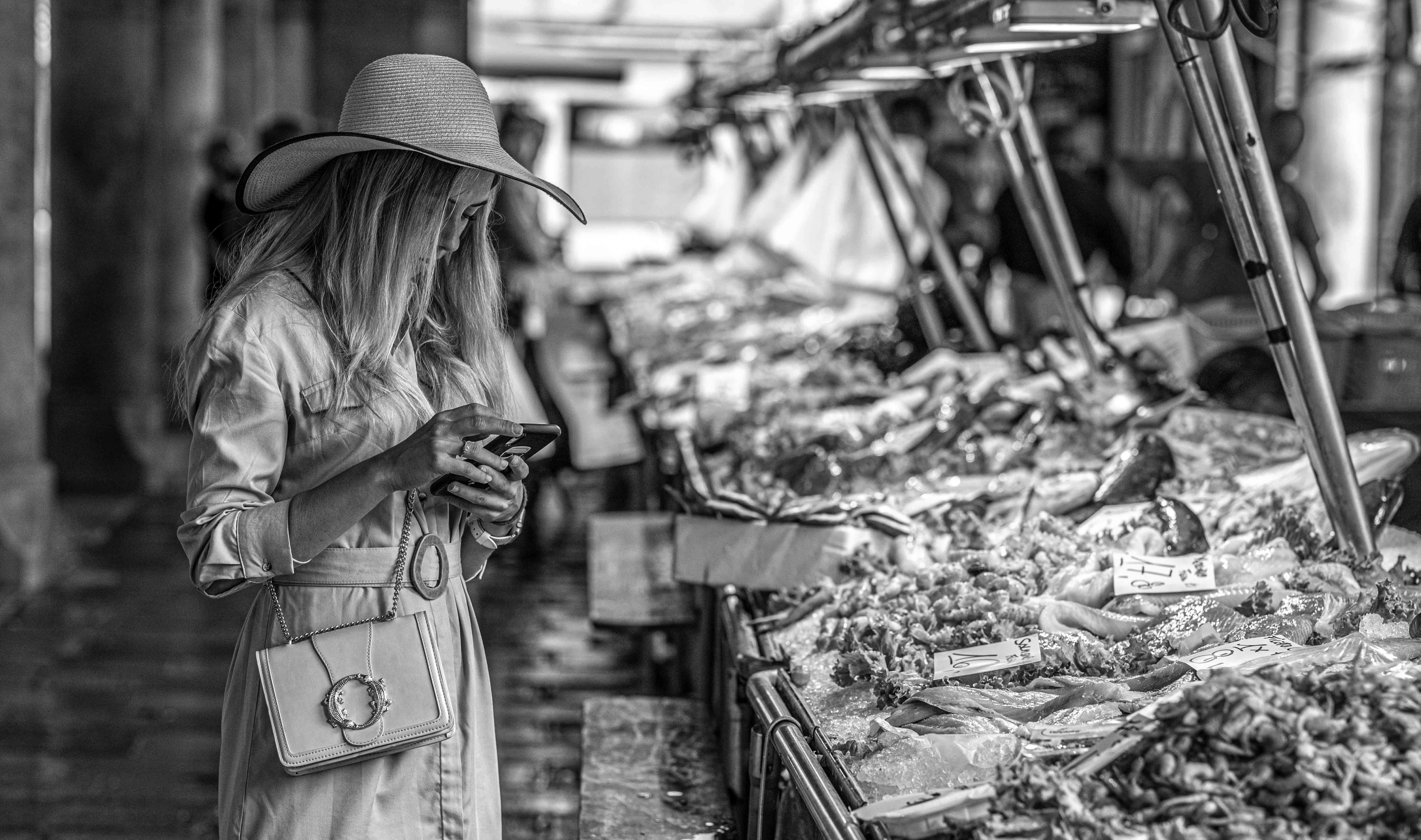
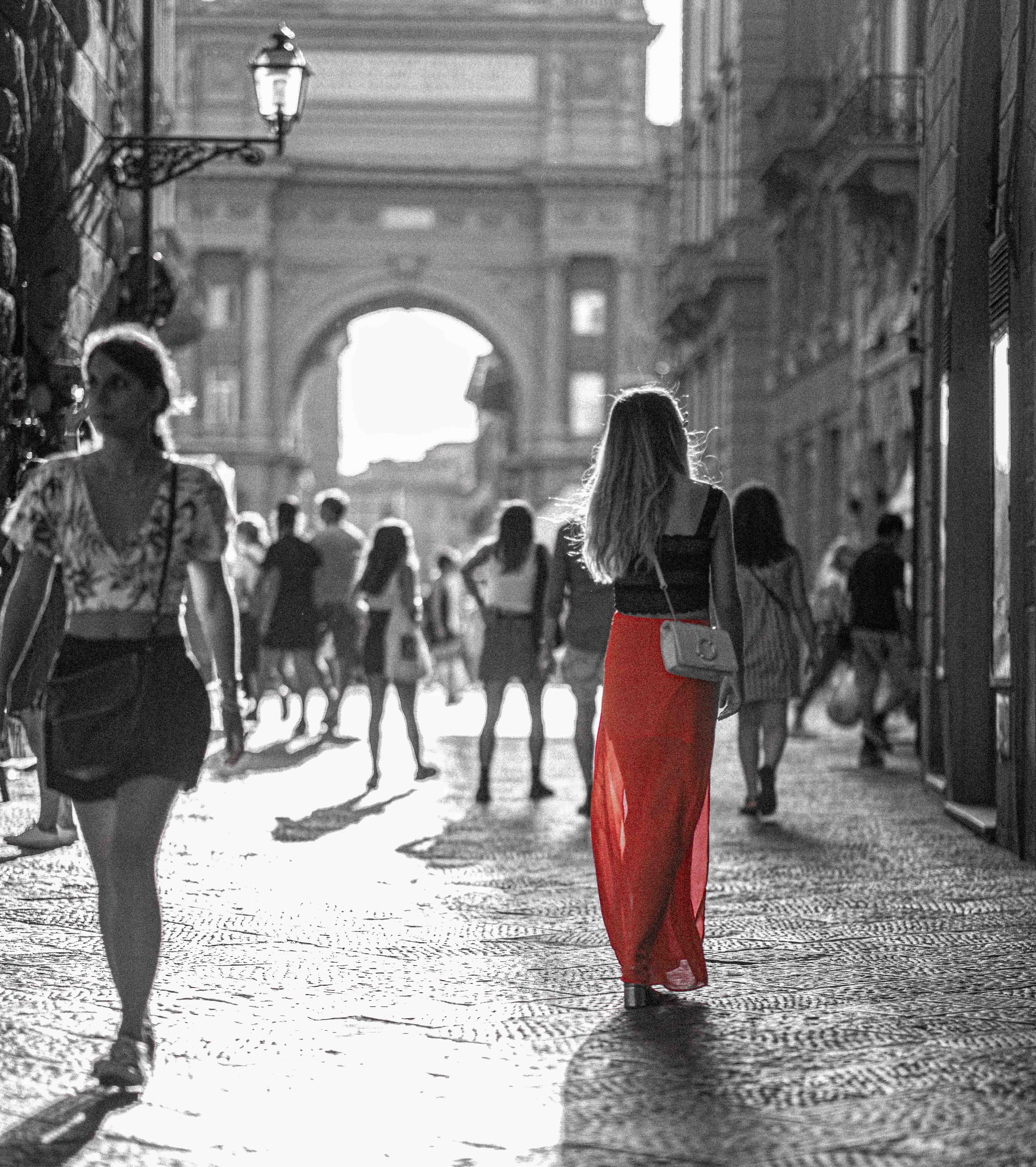
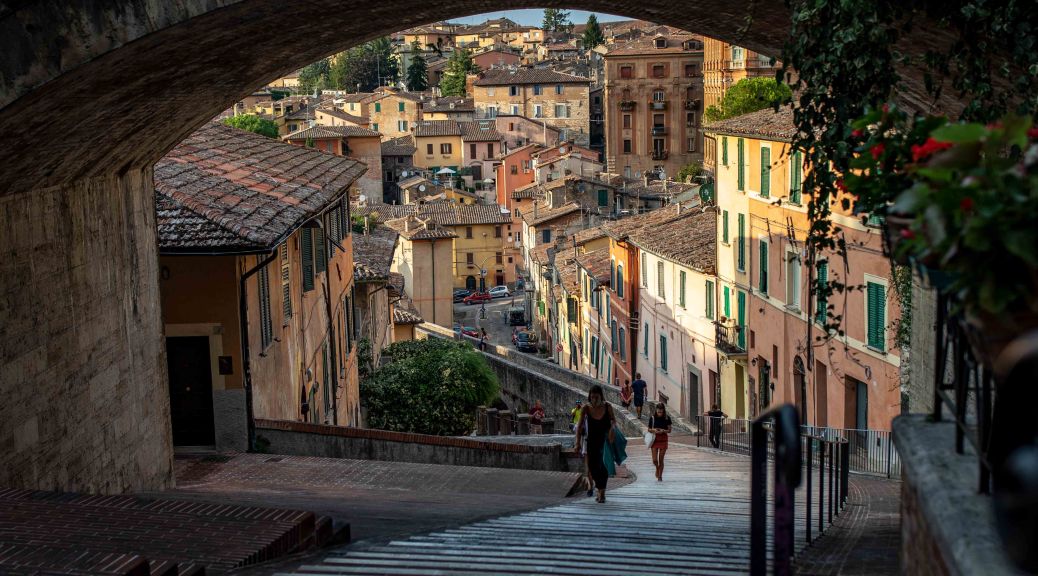
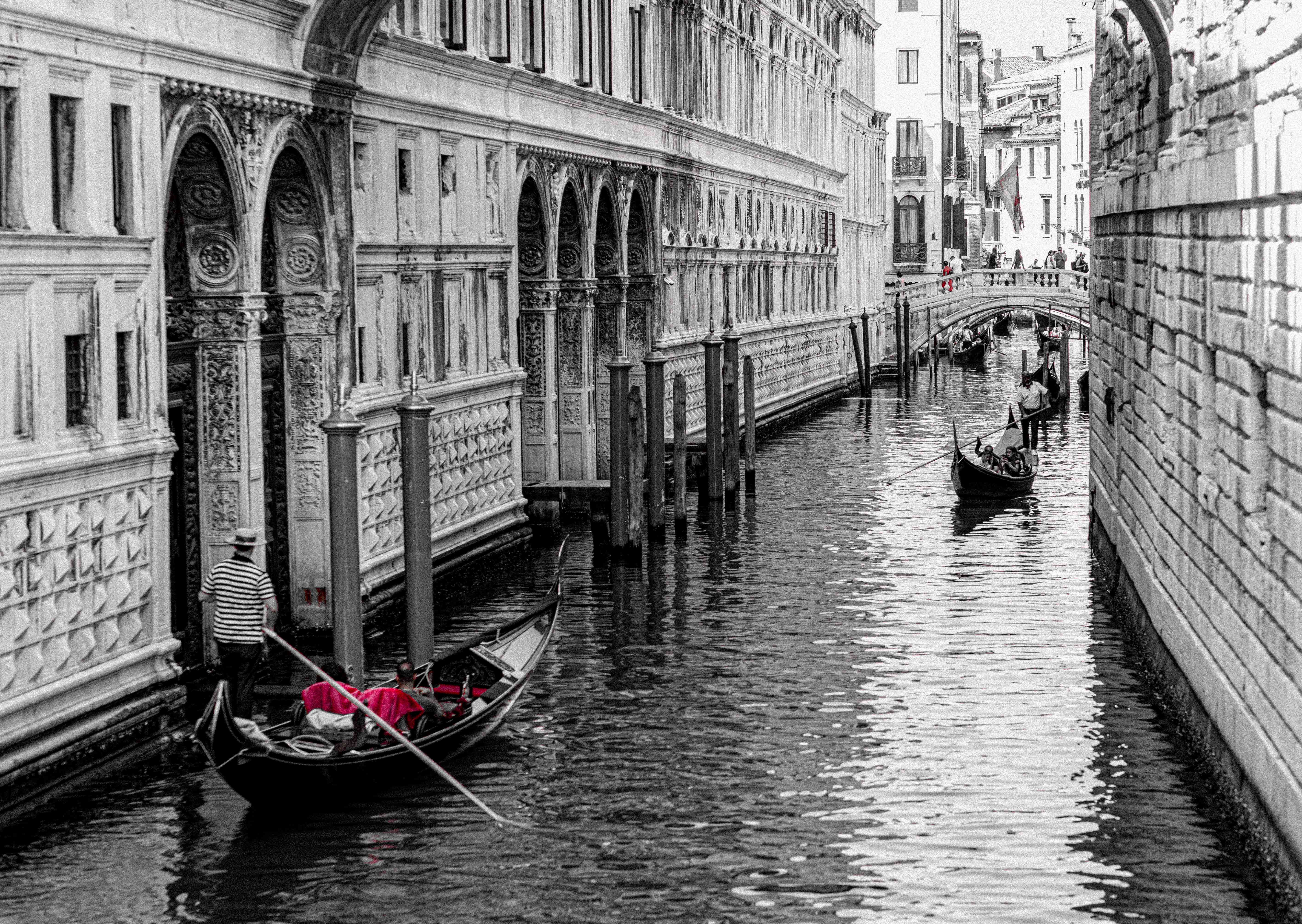
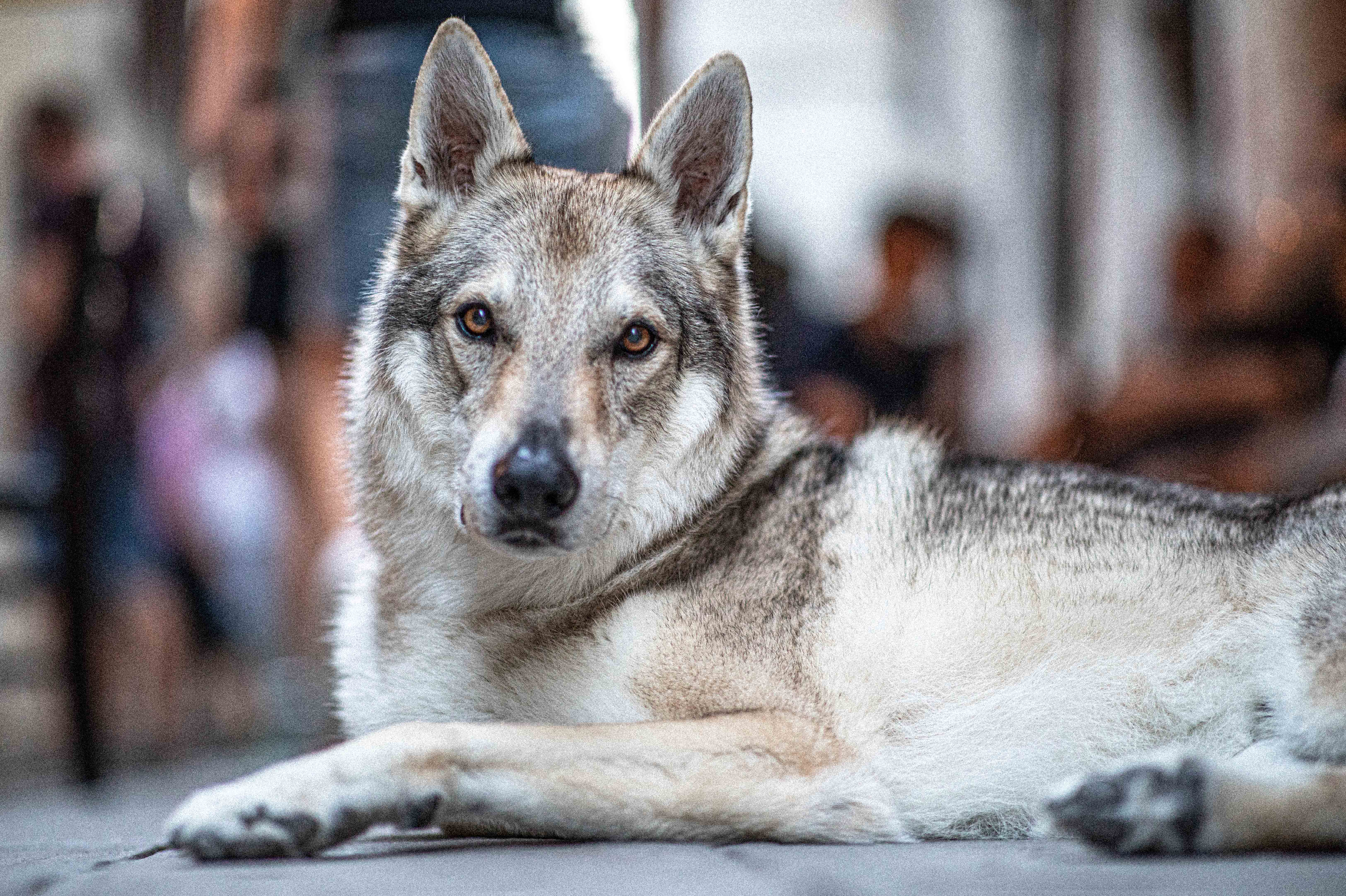
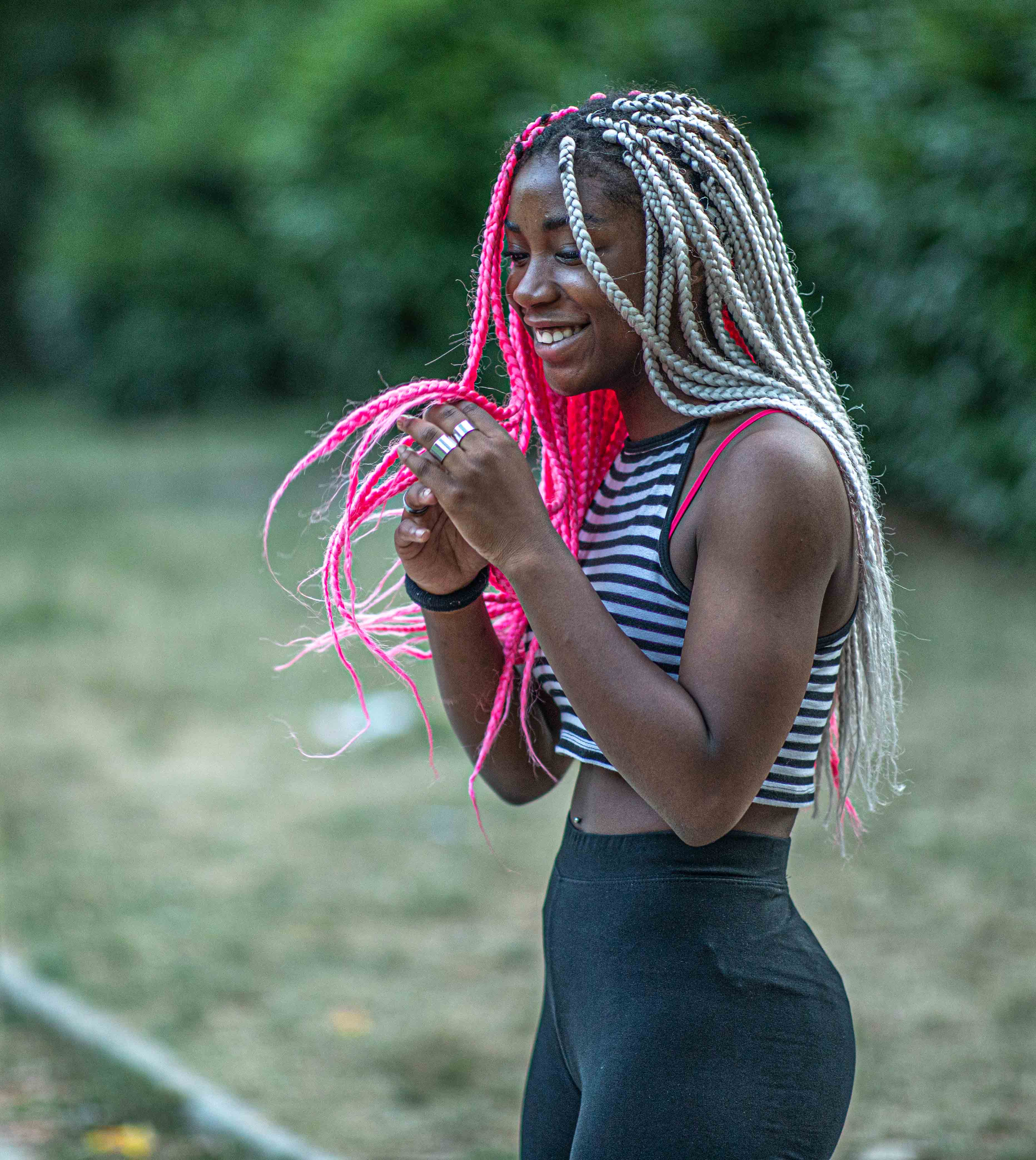
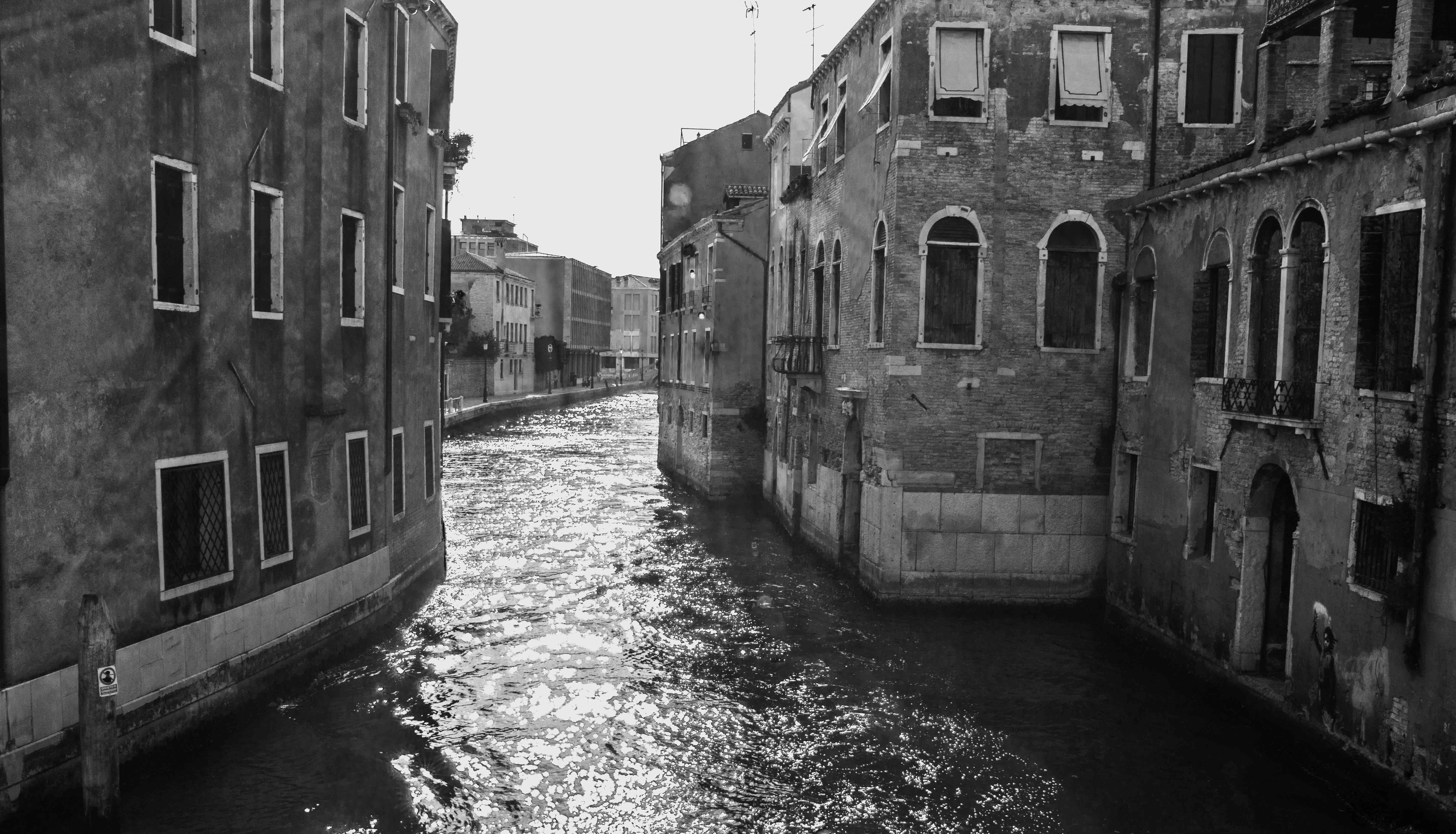
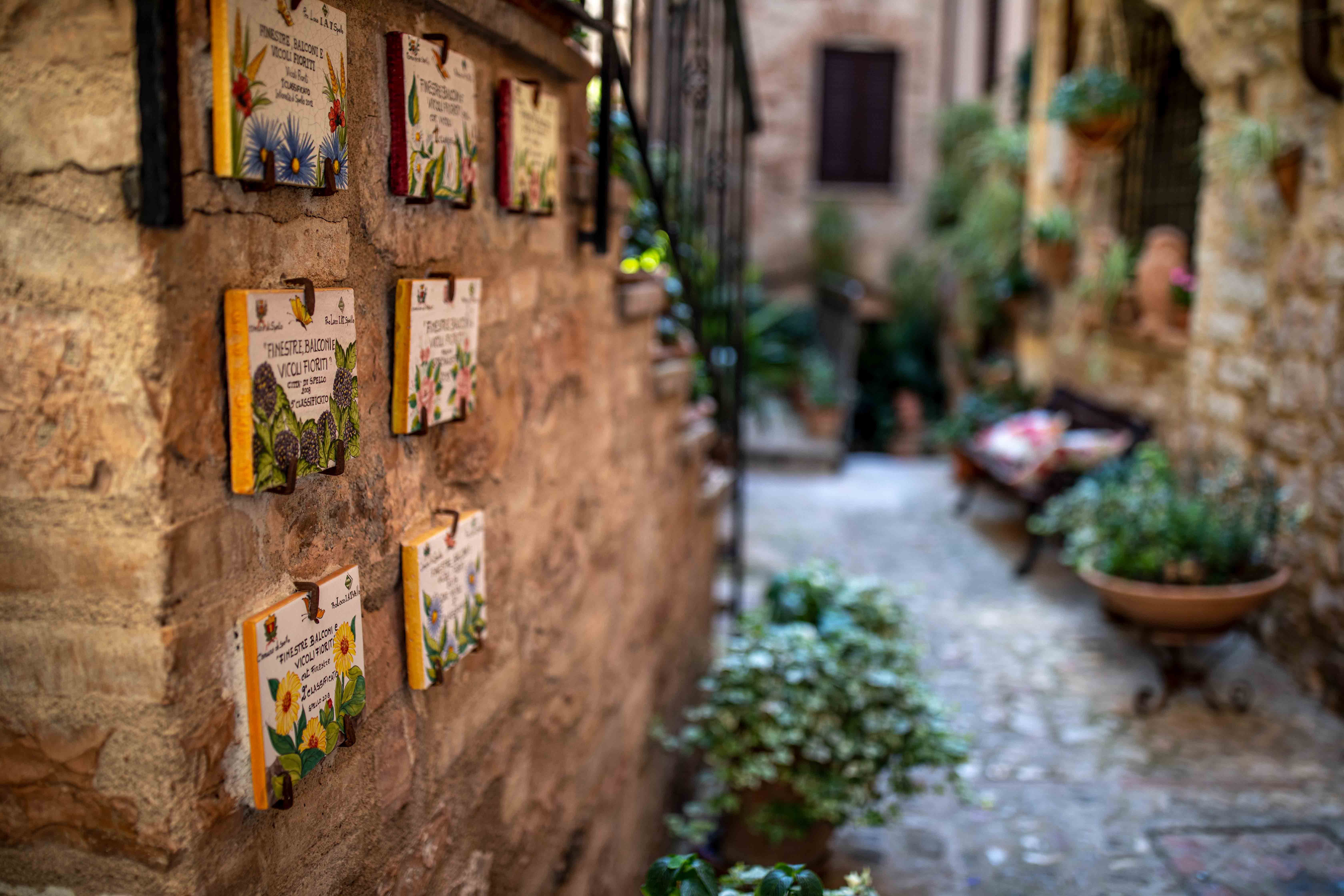
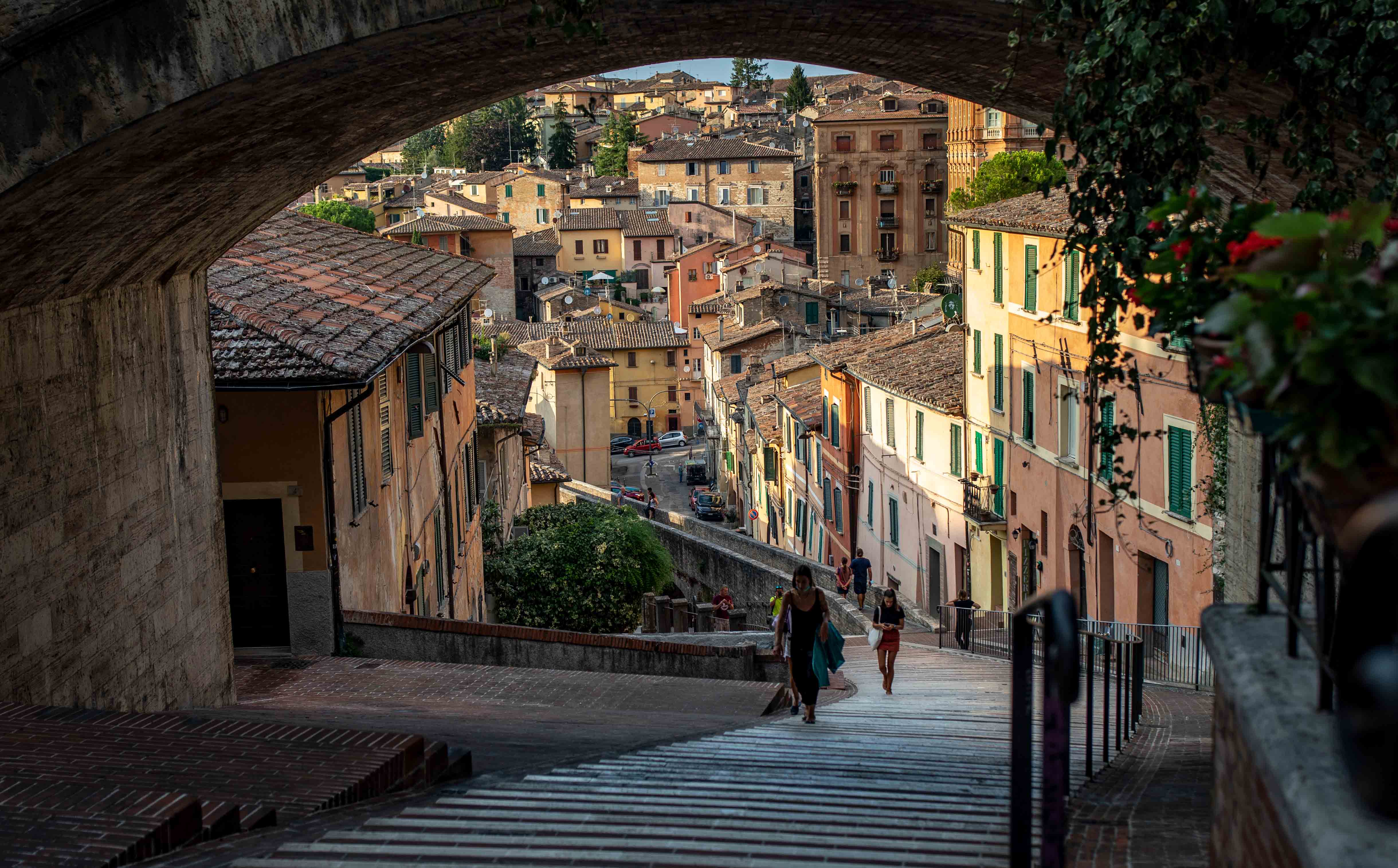
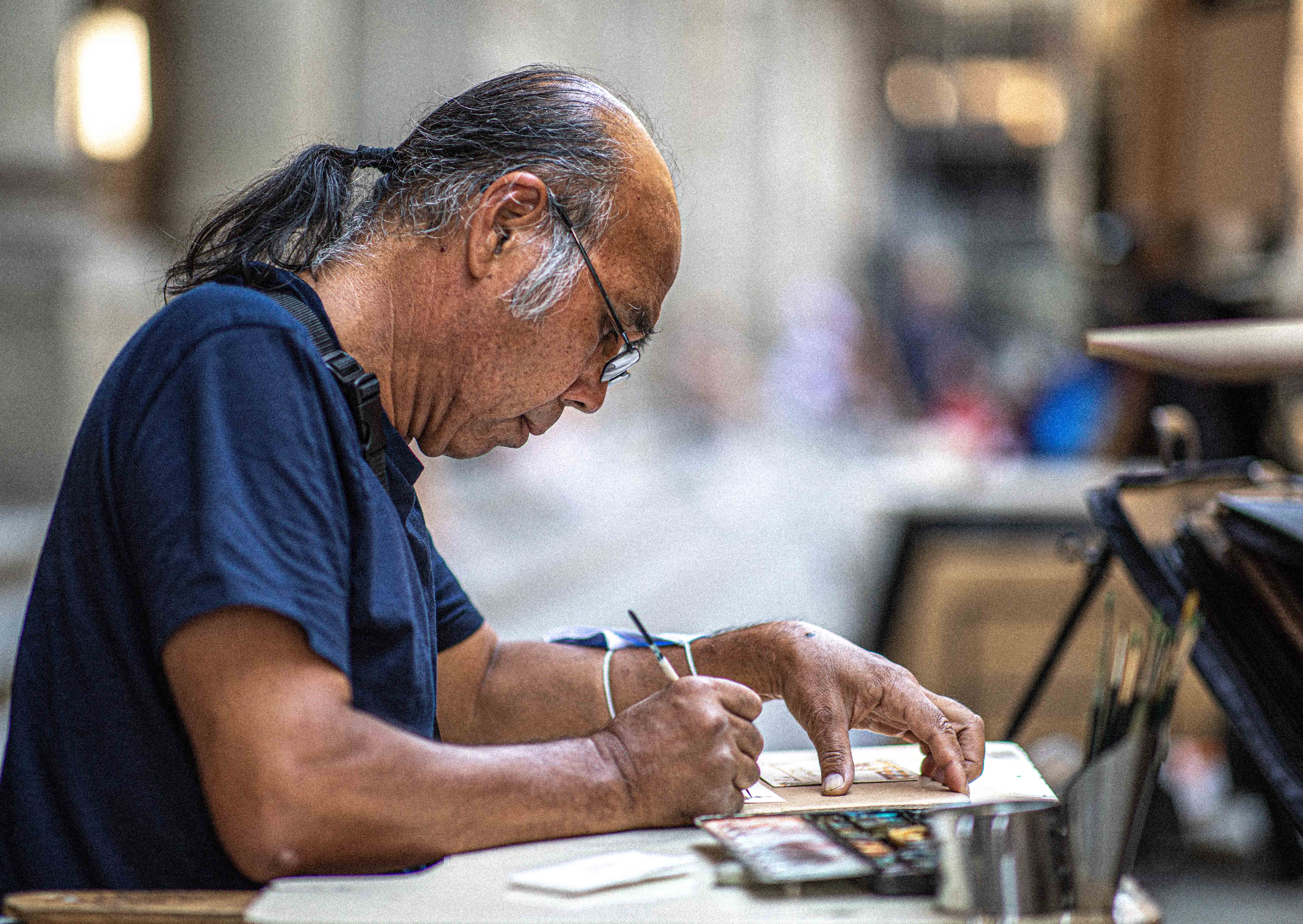
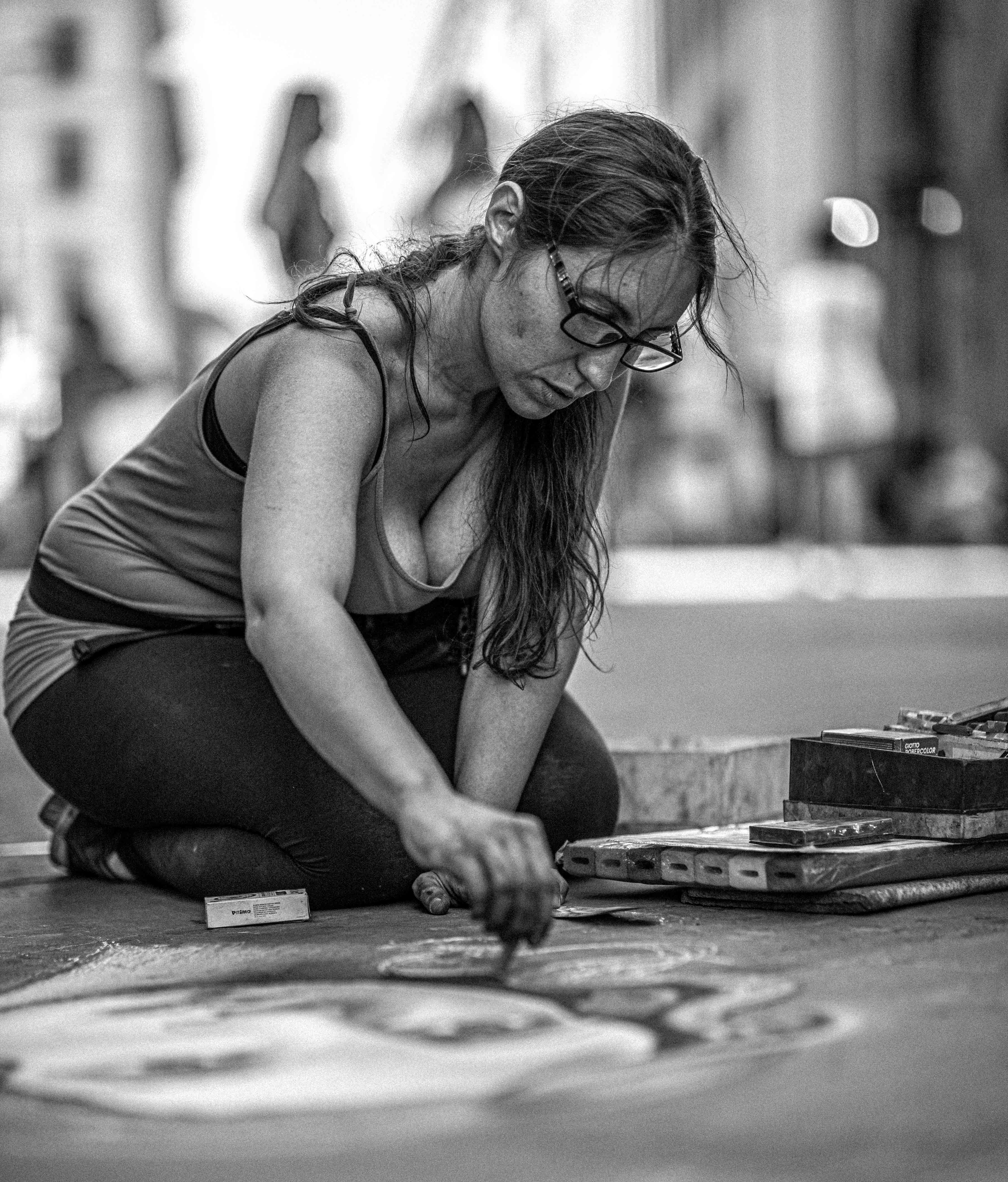
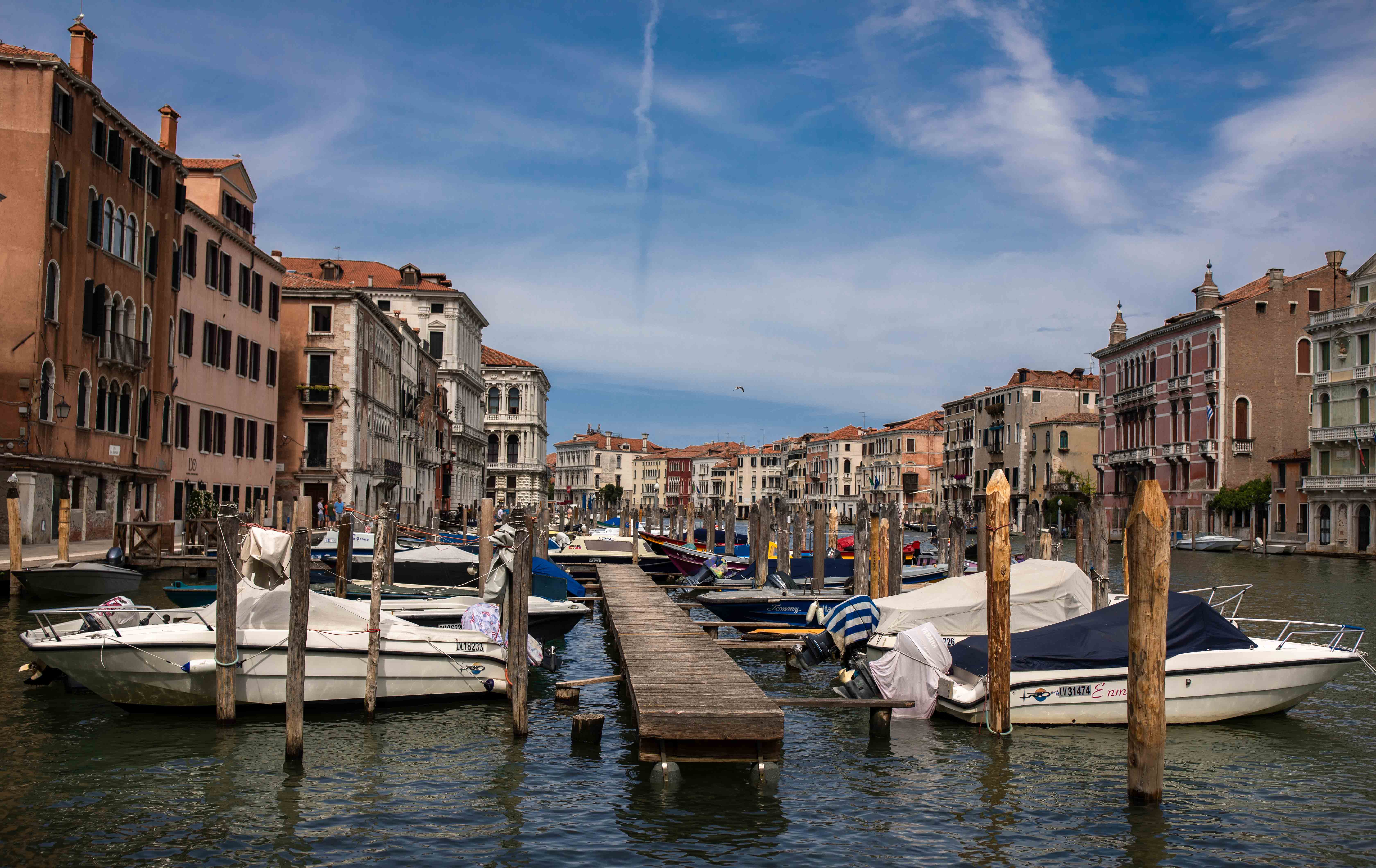
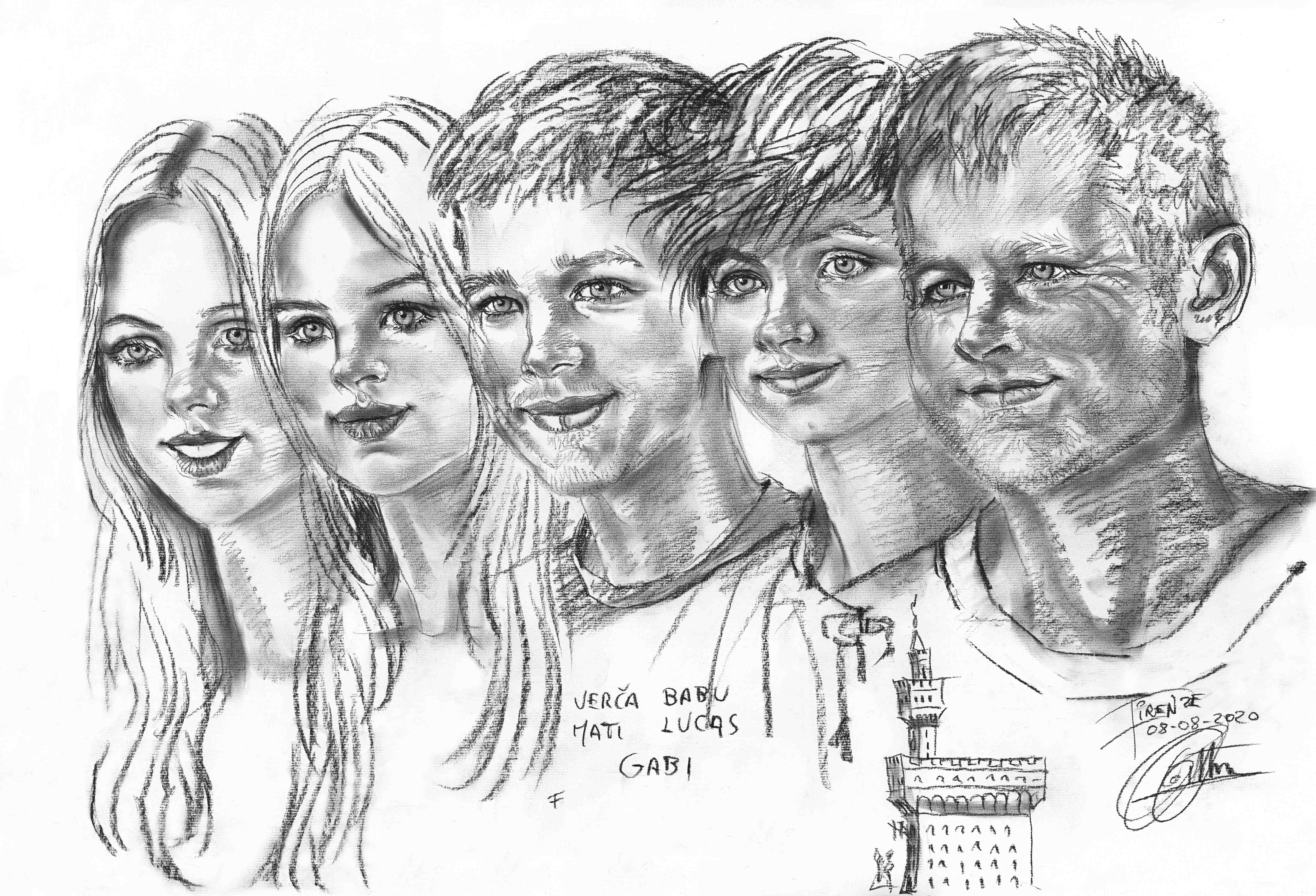
Here is part two of our Italian road trip. This time featuring Barbora and Veronika Žiláková – the talented, congenial, and delightful ladies who accompanied us along our journey.
This summer I accompanied my boys, Matias and Lucas, as well as Mati’s girlfriend, Barbora, and her sister Veronika on a ten-city roadshow across North-East Italy. Check out highlights of our journey through Venice, Padua, Ferrara, Bologna, Ravenna, Florence, Perugia, Assisi, and Spello. Enjoy!
20.Aug.1 – Venice · Gondolier (Ponte della Paglia) 20.Aug.2 – Venice · wolf 20.Aug.10 – Perugia · Spanish dreadlocks girl (Parco di Sant’Anna) 20.Aug.2 – Venice · canal 20.Aug.12 – Spello · street 20.Aug.12 – Perugia · street (Via Appia) 20.Aug.8 – Florence · Hiko Nagahama (Estatua de S. Antonino) 20.Aug.8 – Florence · artist 20.Aug.2 – Venice · Mathilda & friend (cafe) 20.Aug.2 – Venice · dock (fish market) 20.Aug.1 – Venice · Gondoliers (playing cards) 20.Aug.8 – Florence · Veronika, Barbora Žiláková, Gabriel, Lucas & Matias Dusil (Prenze, portrait)
Travel Photography
In case you missed my other travel posts, you can hyperlink to them here:
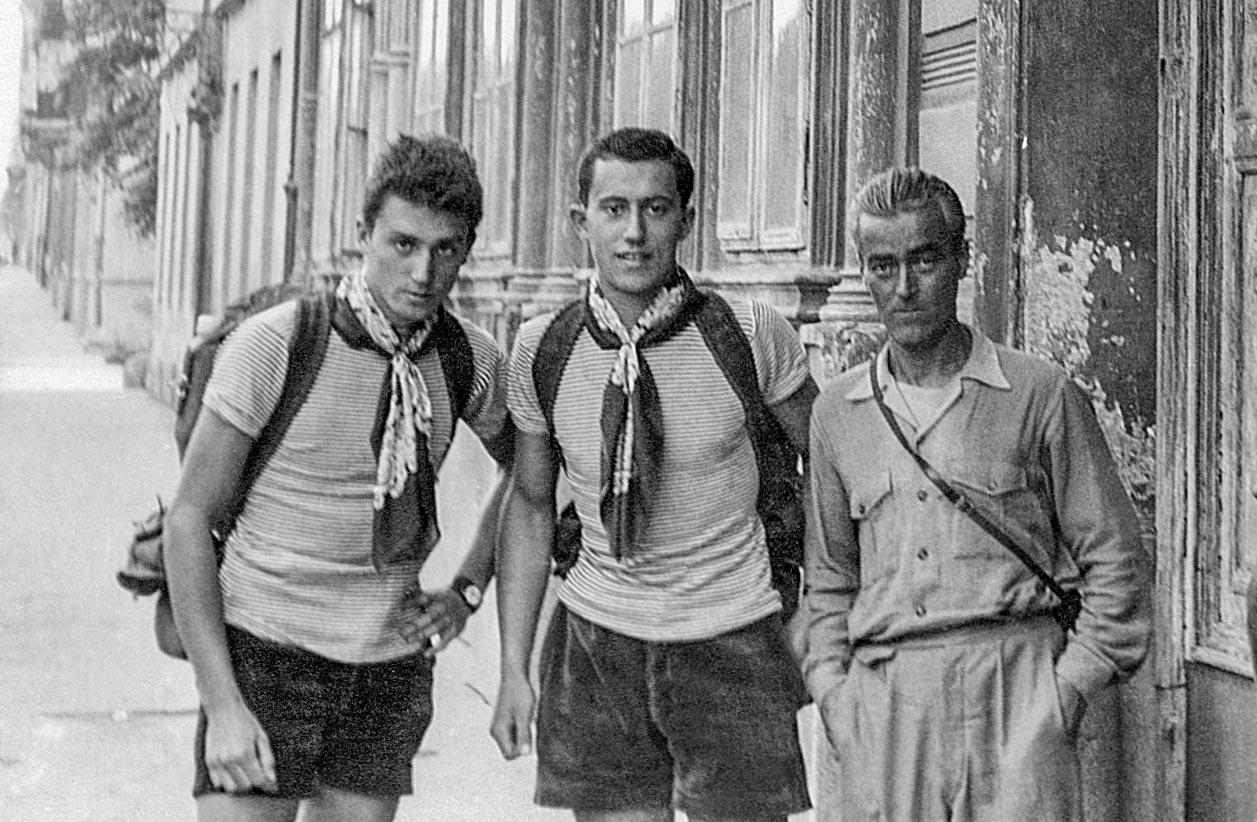
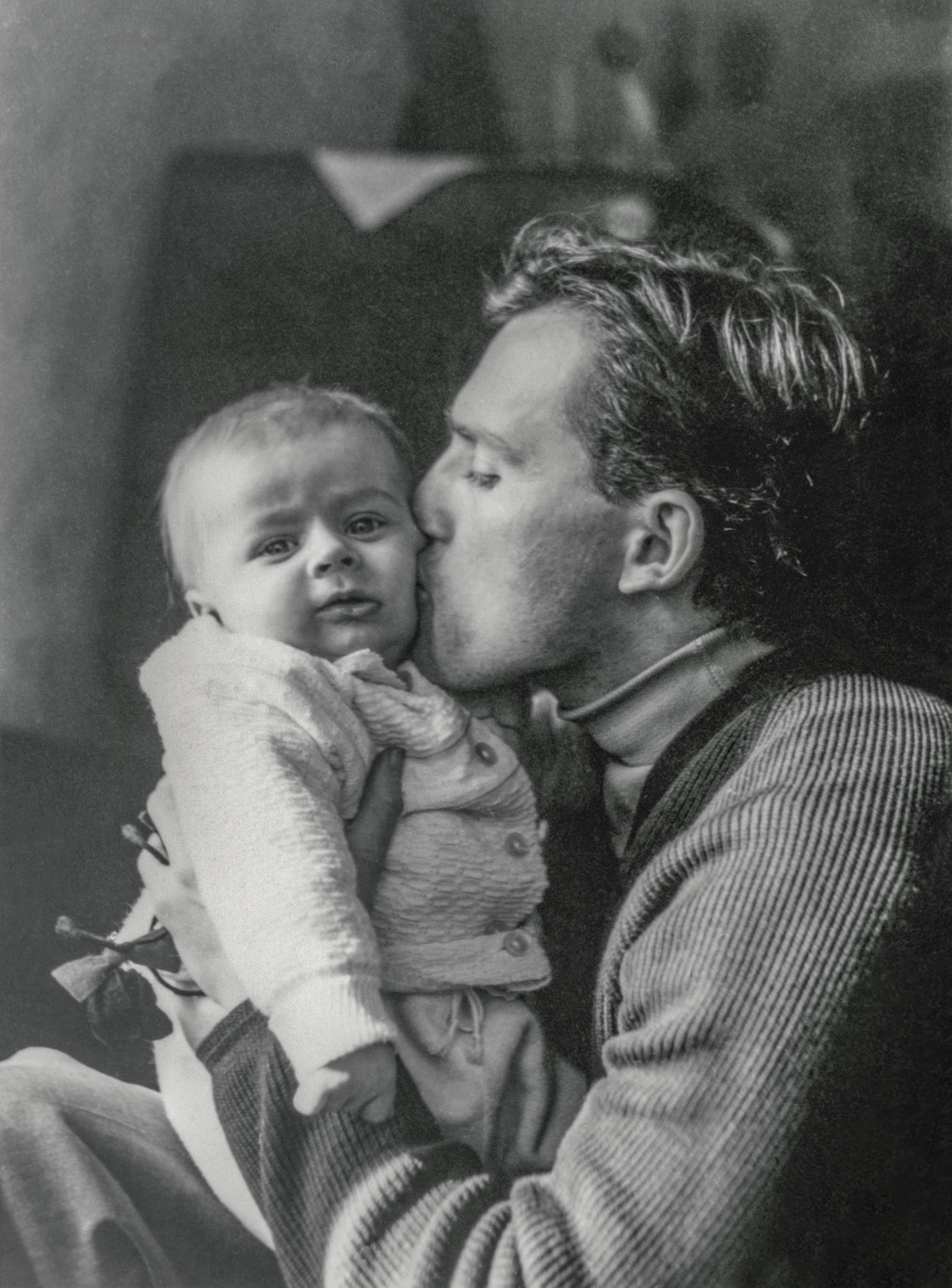
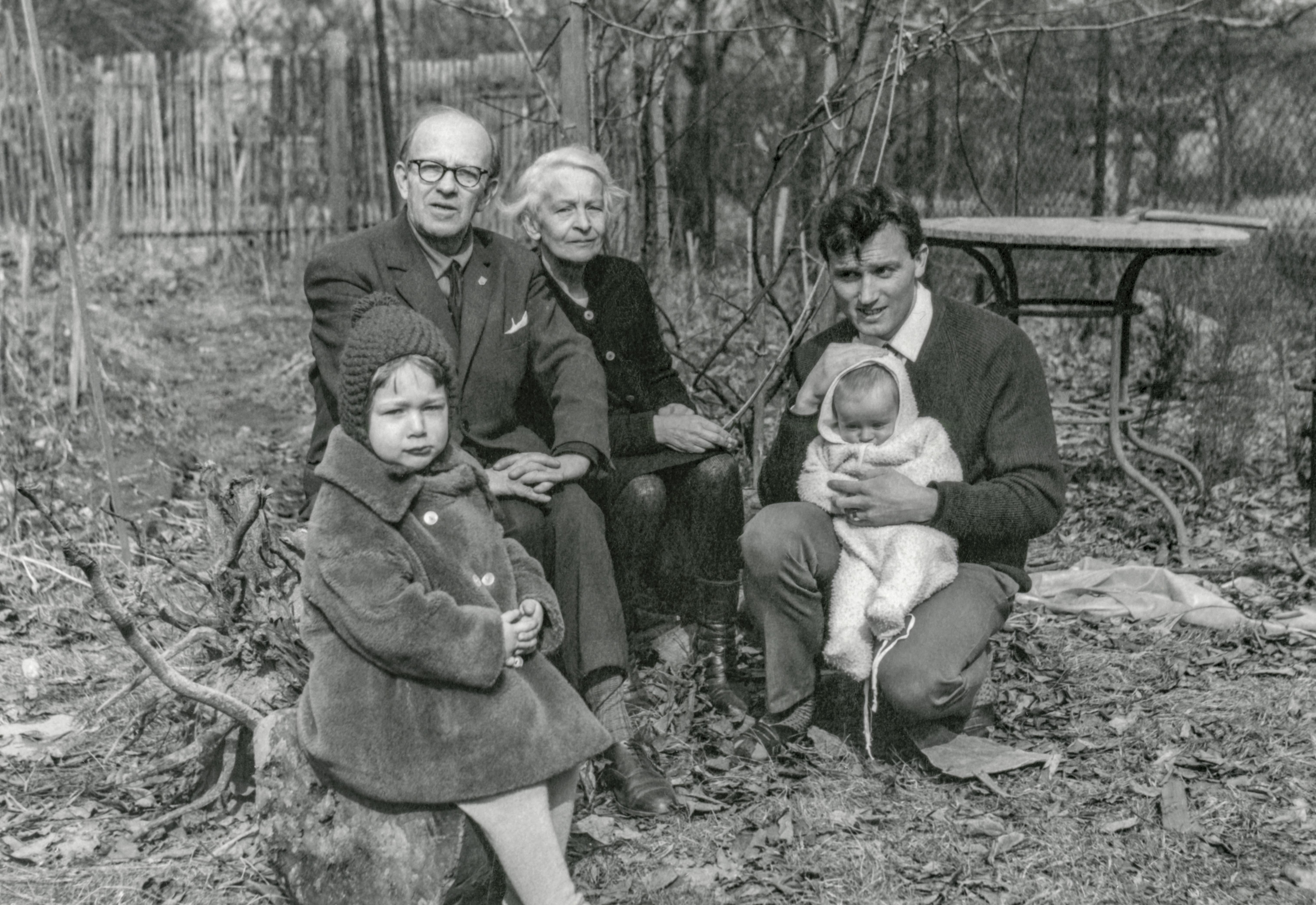
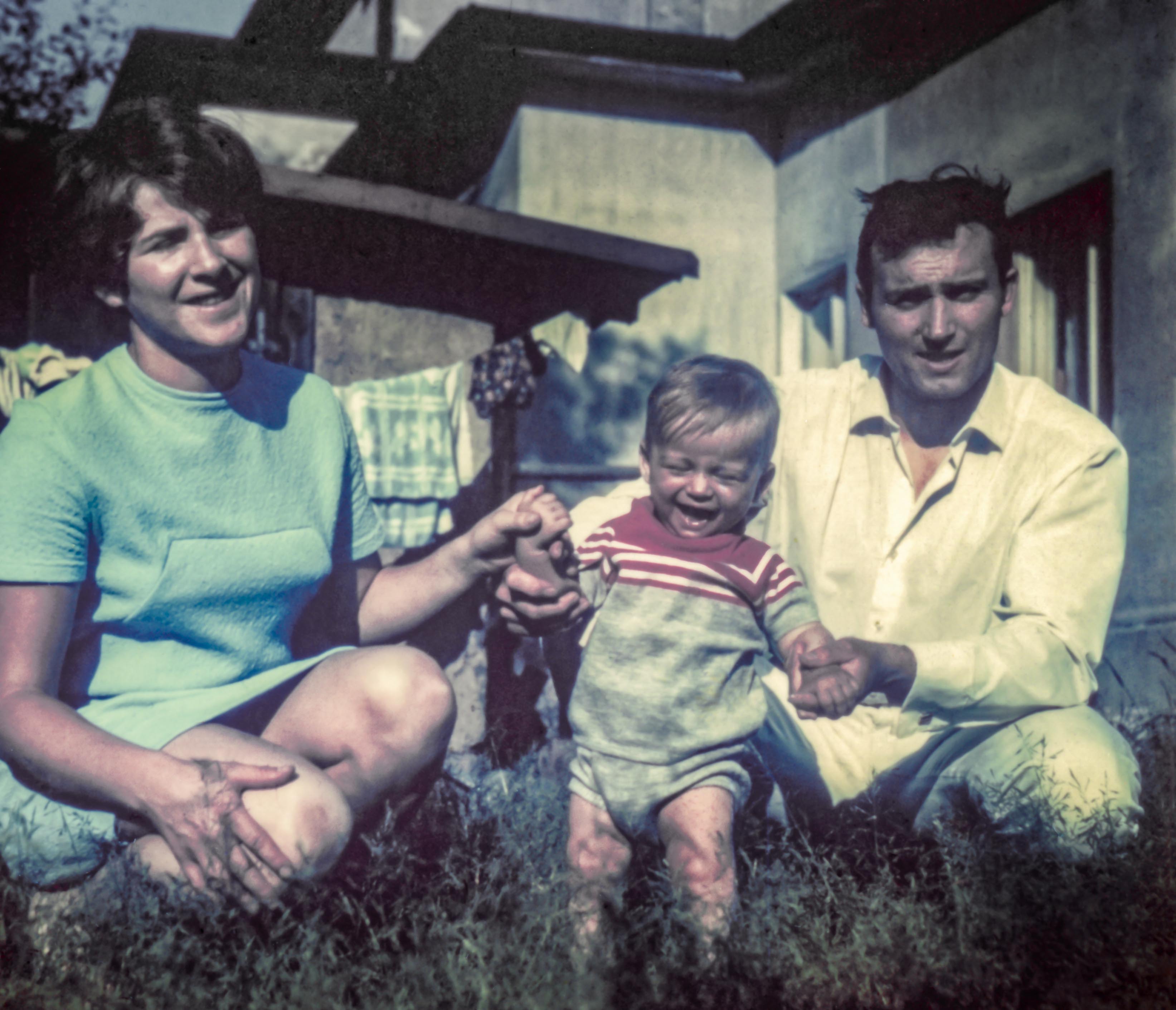
• Today commemorates the 50th anniversary of our family’s emigration from former Czechoslovakia. It would also have been my dad’s 77th birthday. On this day in 1969, over a year had passed following the Soviet Union and members of the Warsaw Pact‘s illegal occupation of Czechoslovakia. Our departure would have been immediately after the invasion, but with my mother being eight months pregnant, my parents felt it would be safer to leave a year later.
• Our departure was shrouded in tremendous secrecy, with only the most trusted members of our family and friends knowing our plans. The local authorities could have found any minor excuse to prevent us from leaving the country. For this reason, I prefer to categorize our departure as an “escape”, even though we legally left the country with all the necessary paperwork.
• I want to thank my mother and father for their tremendous bravery and steadfast convictions in believing that we would have a better life in the West. Our departure may be the obvious choice in hindsight, but at the time, it could have been argued that there was no clear winner between the political doctrines of capitalism and communism. Two more decades were necessary to prove which was better. The collapse of the iron curtain and the end of the cold war at the end of the ’80s put a definitive stamp on that debate.
• When I was eight years old my father was driving me to our animal hospital where he worked as a veterinarian. During our drive, Taci decided to explain communism to me. I vividly remember him articulating the horrible regime from which we escaped, with a heavy heart. In these few minutes, he created a hypothetical analogy for my young mind to understand – “If Canada were to become a communist state, then our veterinary business and our house would be taken from us. In fact, every citizen in the country would not be allowed to own any business or property – the government would take ownership of everything. Even at eight years old this resonated with me. More importantly, I recall the sadness in his heart, while explaining this to me, because he had to leave behind many friends and family who continued under the repressive and totalitarian communist regime. As he took the final turn to the animal hospital he concluded by saying, “Unfortunately I will probably not live long enough to see the collapse of communism, but with any luck, maybe you will see it happen”. Both came to pass.
If you are interested in other posts of our emigration you can find their links here:
As discussed in last week’s post, combat training is about learning new degrees of freedom – adding new maneuvers or techniques that have never been tried before. But how to learn a new move well enough that it becomes natural or instinctive? Enter the 100-1000-10000 rule:
Mechanics • If you do a technique 100 times you will understand its mechanics. Your brain will comprehend how to do it correctly, and why the movement is valuable.
Natural • When you do a technique 1000 times it will become natural. This threshold is passed when the movement feels right in sparring. The movement becomes part of your combat portfolio.
Instinctive • Once you do a maneuver 10000 times then it enters your subconscious. The movement can now be executed without thinking about it.
The 100-1000-10000 rule is fundamental to combat sports and applies to the highest levels of professional fighting.
It’s important to clarify that these movements must be done correctly for it to successfully traverse the 100-1000-10000 evolution. Counting doesn’t begin until the technique is done correctly. Doing a maneuver incorrectly leads to bad habits that are hard to break.
If fighting requires surprise and spontaneity, why practice repetition? A fighter needs repetition in order for a new technique to enter the subconscious. Once that is achieved a fighter no longer needs to think of the technique because it’s apart of them. It’s as close to “instinctive behavior” as possibly achievable.
Instinctive maneuvers are the end-game because the moment a fighter “thinks” of performing an attack, defense, or anything in between – then telegraphing occurs and time is lost. An experienced fighter can exploit this delay. Reactionary measures in times of stress, emotion and chaos are worsened, if not completely lost. Practicing a move mitigates this weakness because the “thinking” component is removed from the fighting equation and the movement becomes instant.
Techniques are abandoned in the midst of chaos and requires confidence and experience to regain composure.
Repetition is a challenge for students, and especially taxing on millennials. In a one hour session, even 50 reps challenge the patience of students. Reaching 1000 requires grit, endurance, and resources that fall amongst the most dedicated. Striving for 10000 is reserved for the elite among us.
To finish off, it’s worth mentioning that the 100-1000-10000 rule can be easily applied to other disciplines – e.g. dancing, learning a musical instrument, software development to name a few examples, and can be a representation of time (100-1000-10000 hours) with the same effect.
Martial Arts • Fighting Science Series
If you would like to read more articles in this “Yin Yang of Fighting Science” series, check out these posts:





































 Gabriel Dusil • Time Is Relentless